The
Museum exhibits works of art taken
from other churches in town and in
the territory of the diocese of Florence,
which can no longer be perserved in
the original churches for safety reasons.
The museum was openend only in 1996
after long restoration works that were
necessary to rebuilt the rooms after
the explosion of via dei Georgofili
in 1993. The works of art had already
been collected and made accessible
only to scholars for over ten
years in the diocesan warehouse.
The
restoration plan, which was possible
thanks to the contribution of the Regional
Administration of Tuscany, has implied
building the necessary systems and
adding value, thanks to a new layout,
not only to the exhibited works, but
also to the church, dedicated to Santo
Stefano and Santa Cecilia. This building
already existed in 1116, although its
Romanesque facade had been built in
different stages starting from the
lower section (1233). The interior
of the church, restructured in the
17th century by the architect Ferdinando
Tacca still preserves a magnificent
and elegant Manneristic staircase,
which is even earlier that the prepytery,
designed by Bernardo Buontalenti (1574)
and transferred from the church of
Santa Trinita.
The
museum is arranged on three different
levels and gives access to a small cloister
with a Renaissance well, where the cells
of the monks opened. This was the seat
of the Agostinias from the congregation
of Lecceto from the 16th to the 18th
centuries.
The
exhibition highlights some extraordinary
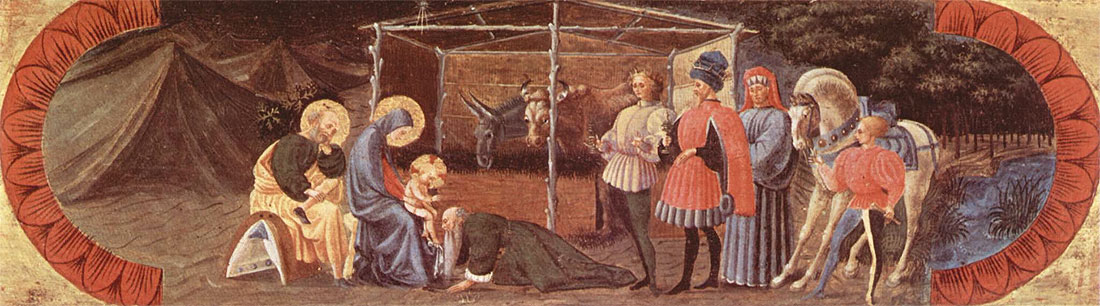
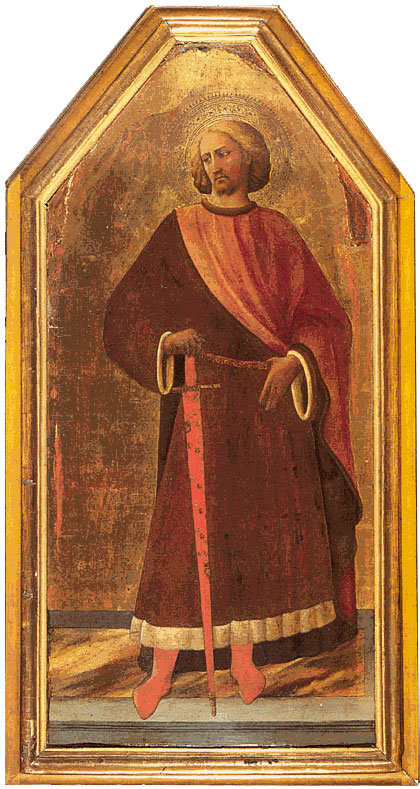
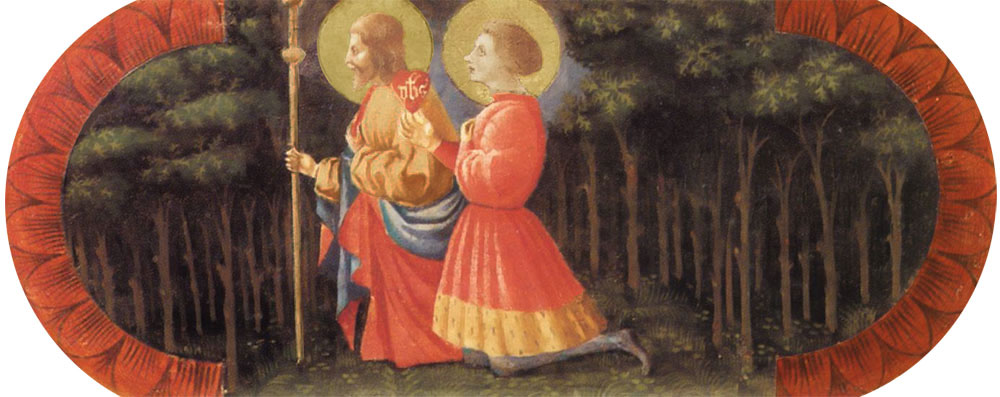
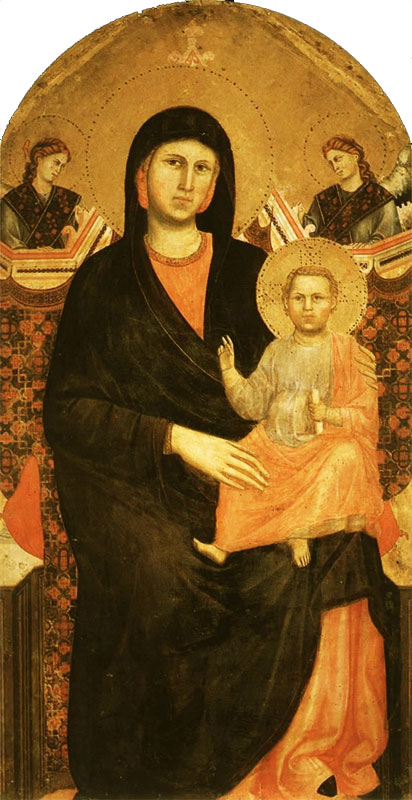
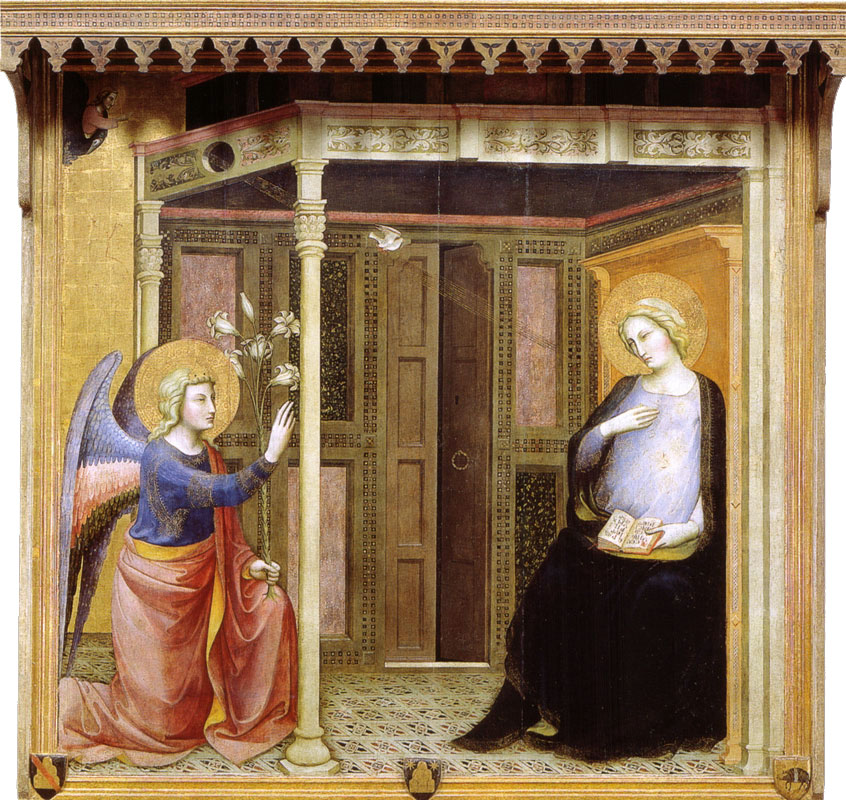
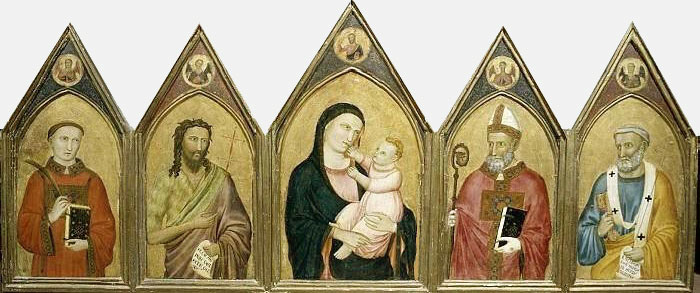
masterpieces of Italian art like the "Madonna" by Giotto that was originally located in the church of San Giorgio alla Costa, The "Adoration of the Magi" by Paolo Uccello and "St. Julian" by Masolino; besides displaying a well-assorted and precious series of liturgical objects and vestments, which includes also a very expressive polychrome plastic.
|