The
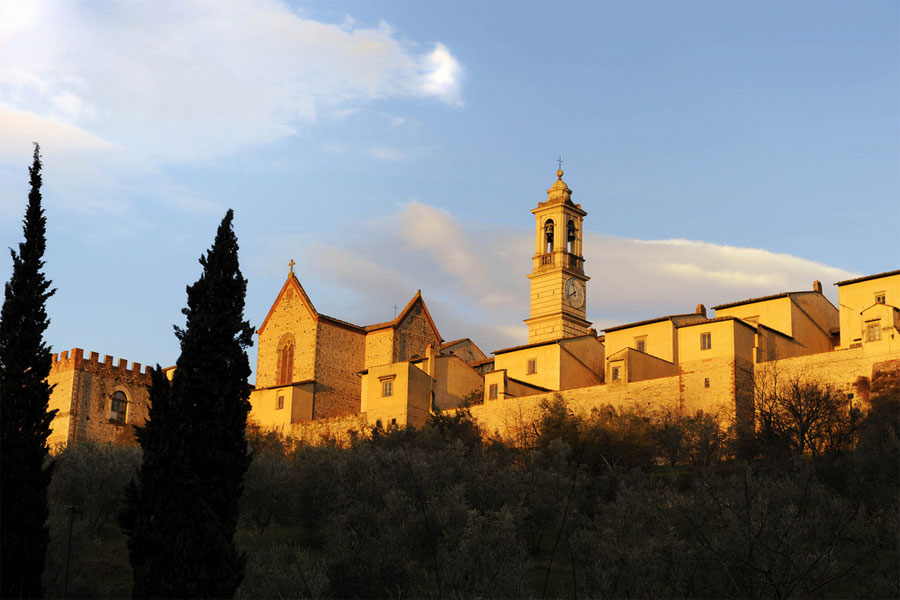
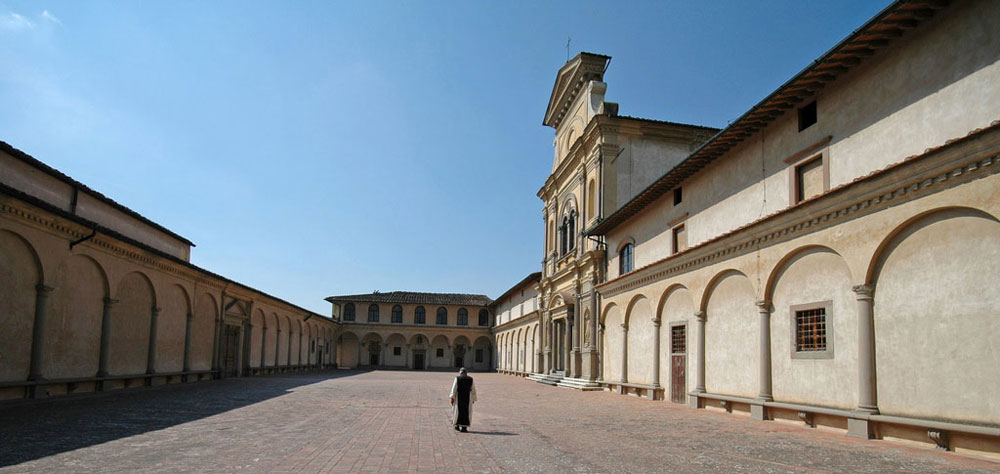
Certosa raises on the summit
of a hill to the south
of Florence. In the past
it was one of the most
powerful monasteries in
Europe and exhibited, until
Napoleon's spoliation,
500 works of art. The building
was erected by Niccolò Acciaioli,
a powerful Florentine
citizen who commissioned
it in 1341 with the aim
of creating both a religious
centre and a structure
to educate the young
ones. The monastery faces
Palazzo Acciaioli, a
building with battlements
where the youth of Florence
was instructed in human
sciences. In the past,
the Certosa was famous
for its lavish library.
One
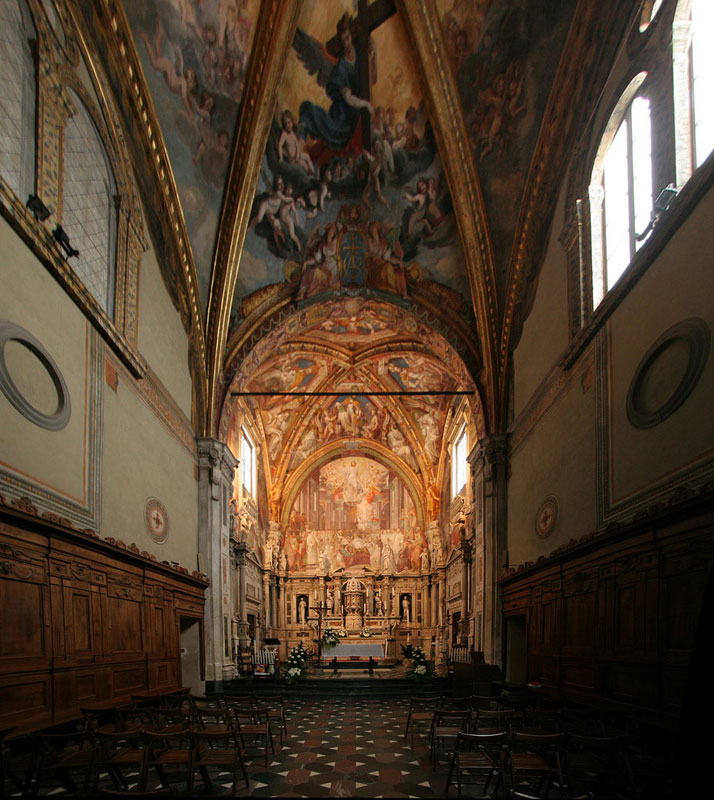
of the most important sites
of the monastery is the
church of S. Lorenzo, characterised
by a typically Mannerist
architecture and richly
decorated with frescoes,
paintings, a sumptuous
marble altar of the 16th
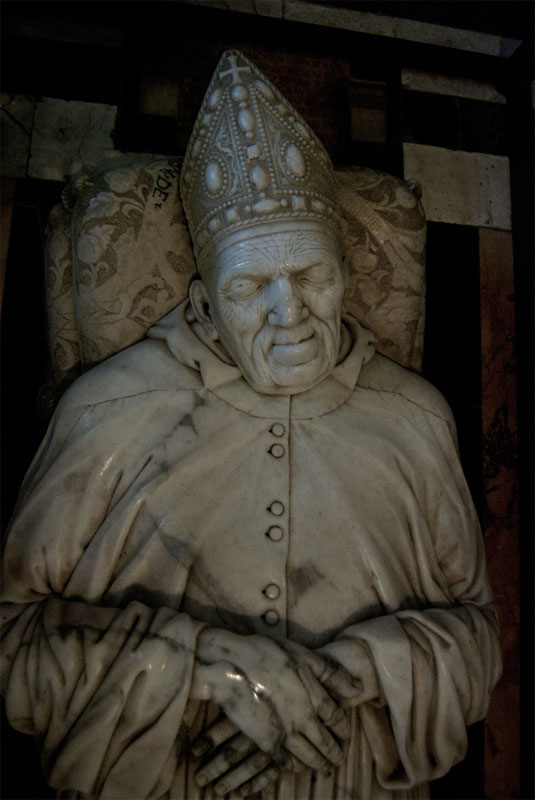
century and an ancient
crypt with many tombs,
mainly of the Acciaioli
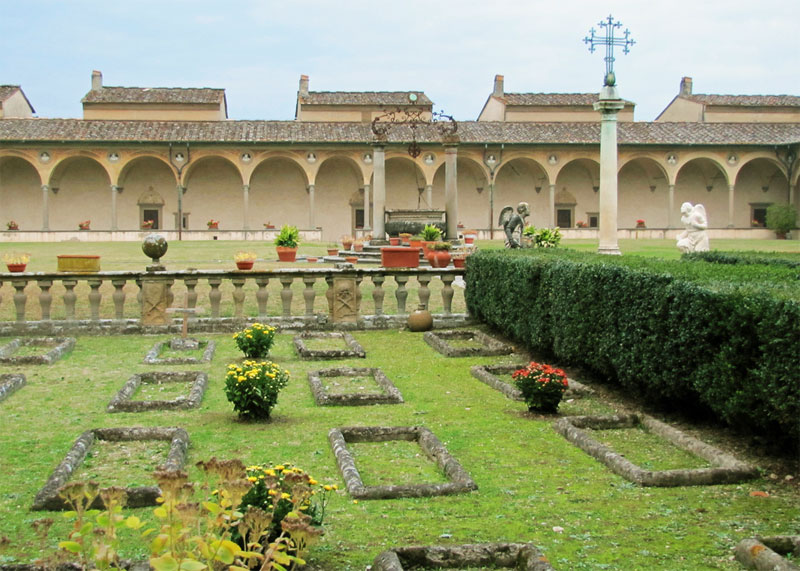
family. The church opens
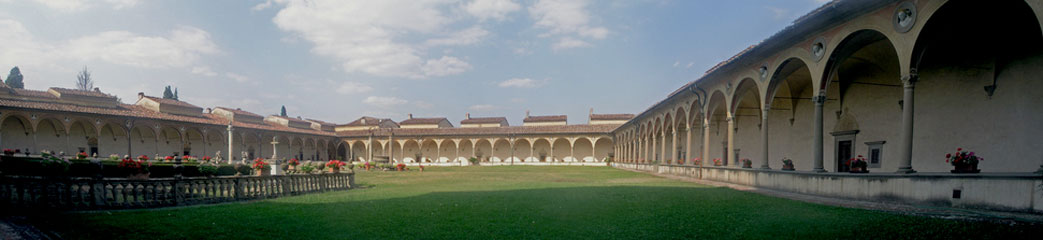
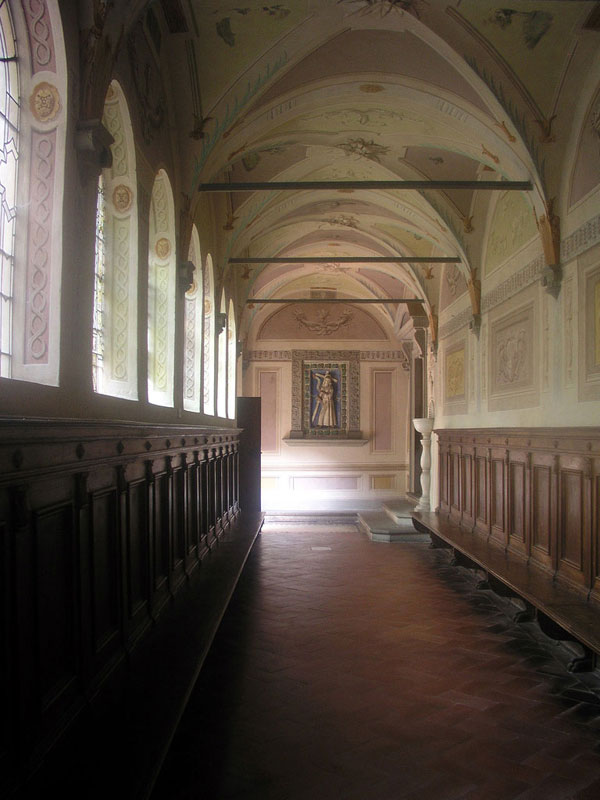
on to a large Renaissance
cloister, decorated with
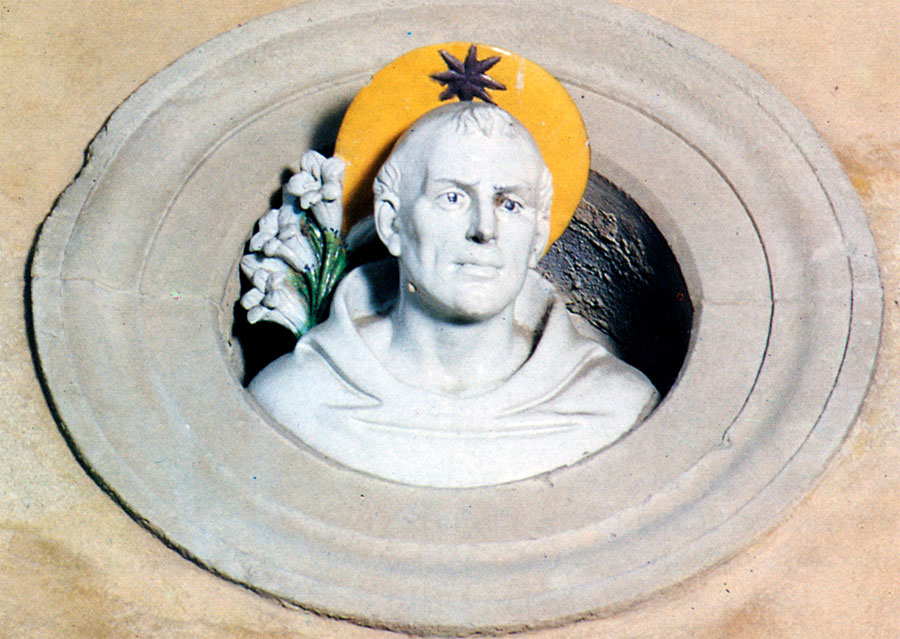
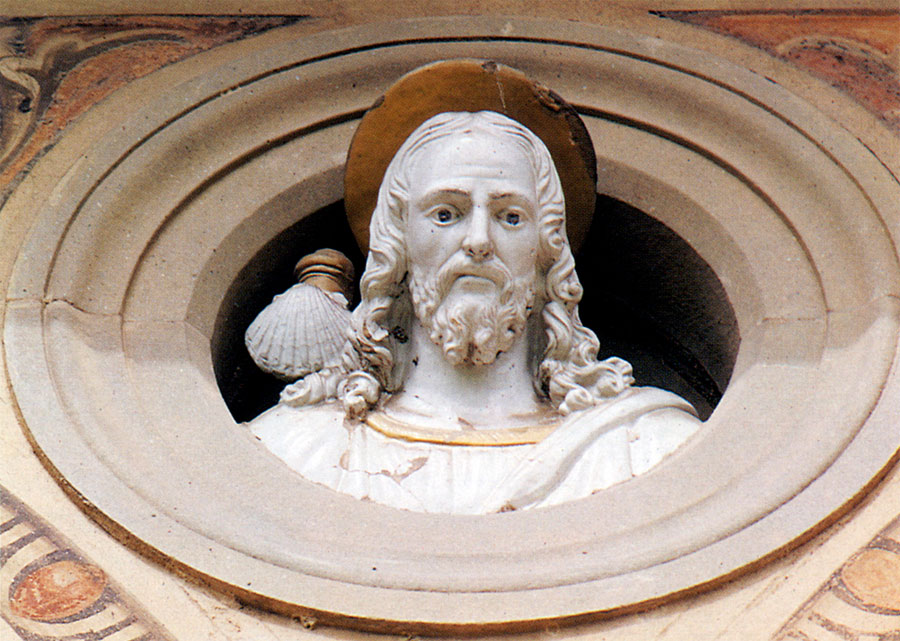
a large well and by terracottas
by Andrea and Giovanni
della Robbia (15th and
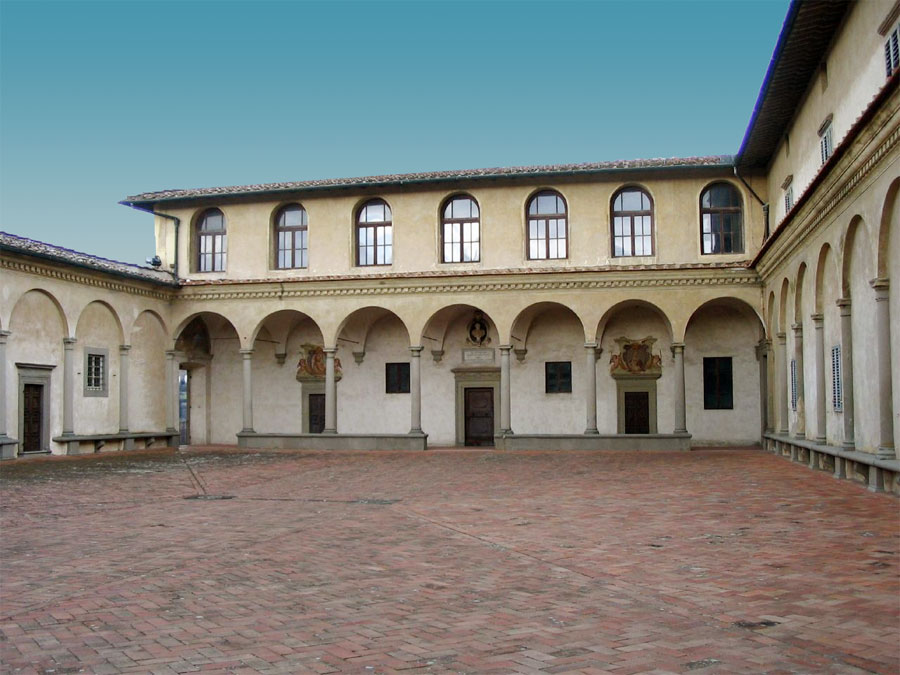
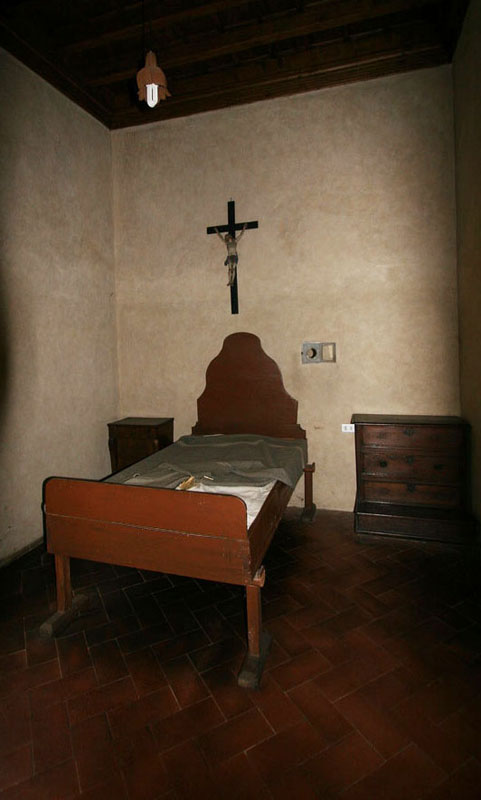
16th centuries). The cells
of the monks, some of which
are open to the public,
Downlook this cloister.
Each cell consists in a bedroom
and a room for praying, that
are furnished with very essential
furniture pieces, besides
having a small secluded garden. This
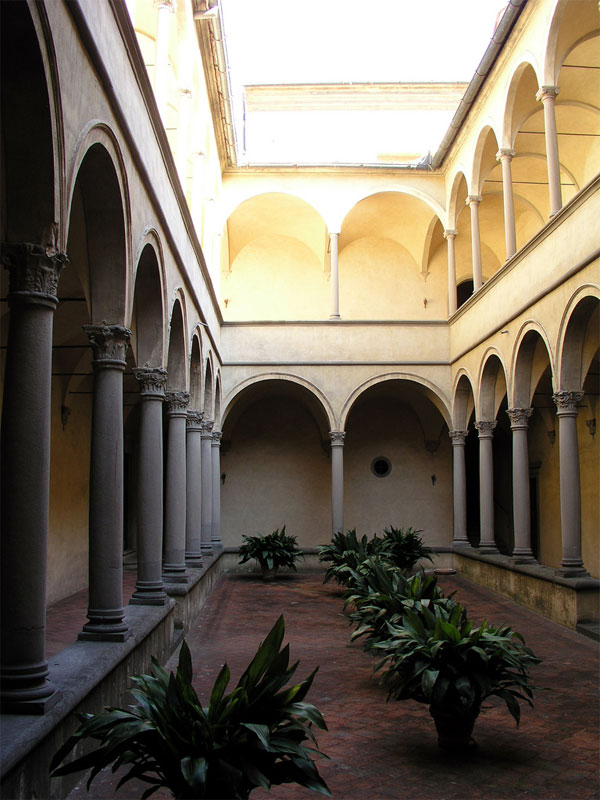
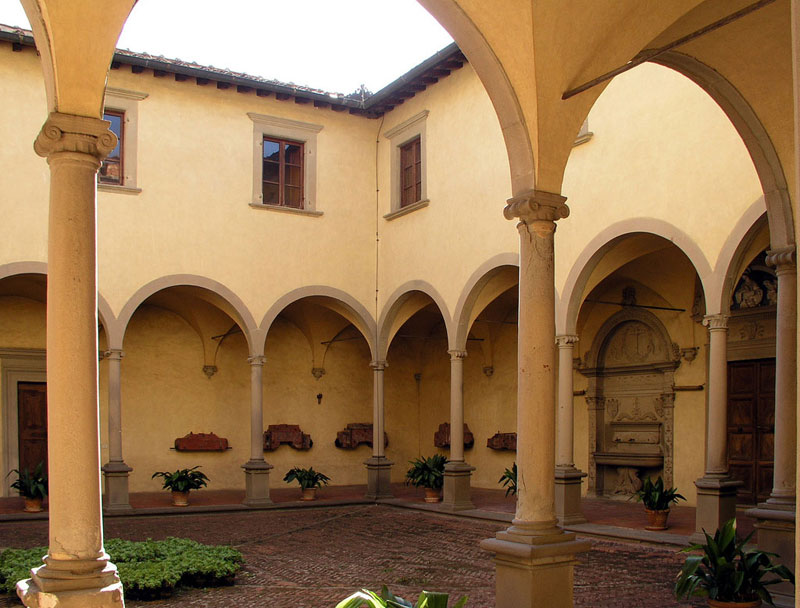
cloister gives access to
the so-called “Chiostro
dei Conversi”, a small
structure formed by two superimposed
loggias that lead into the
refectory.
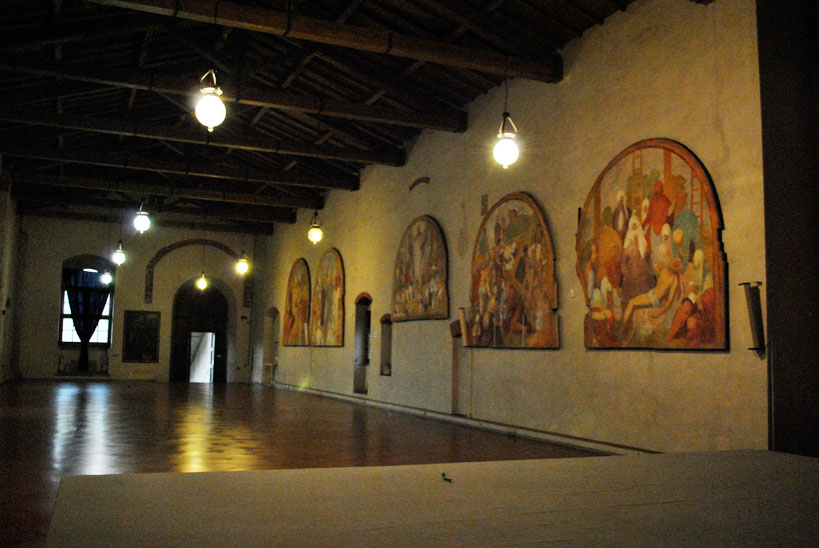
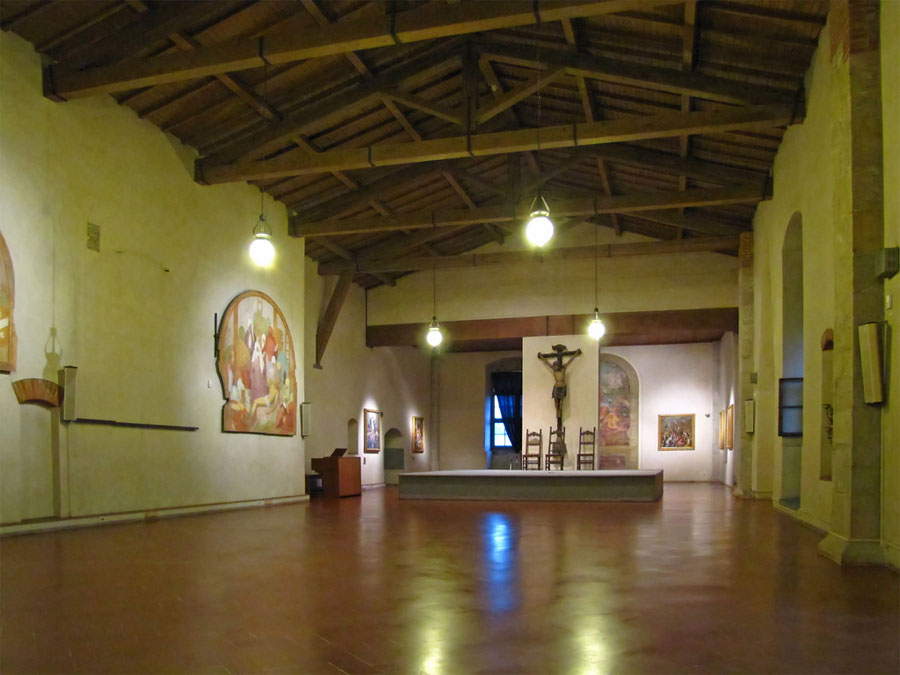
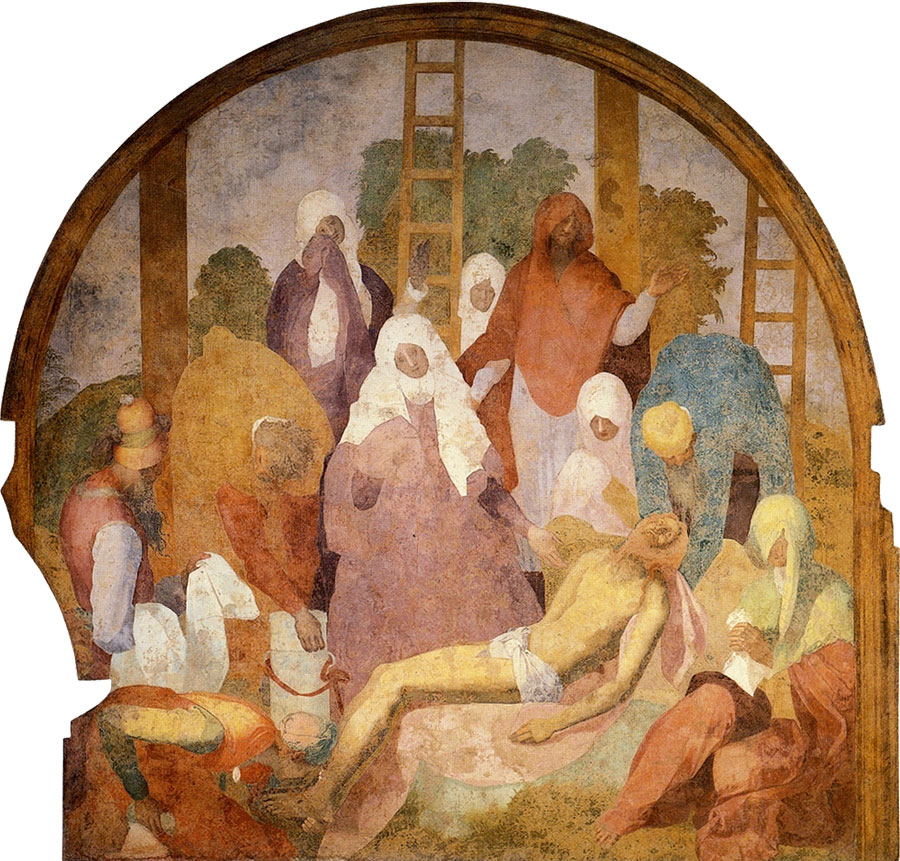
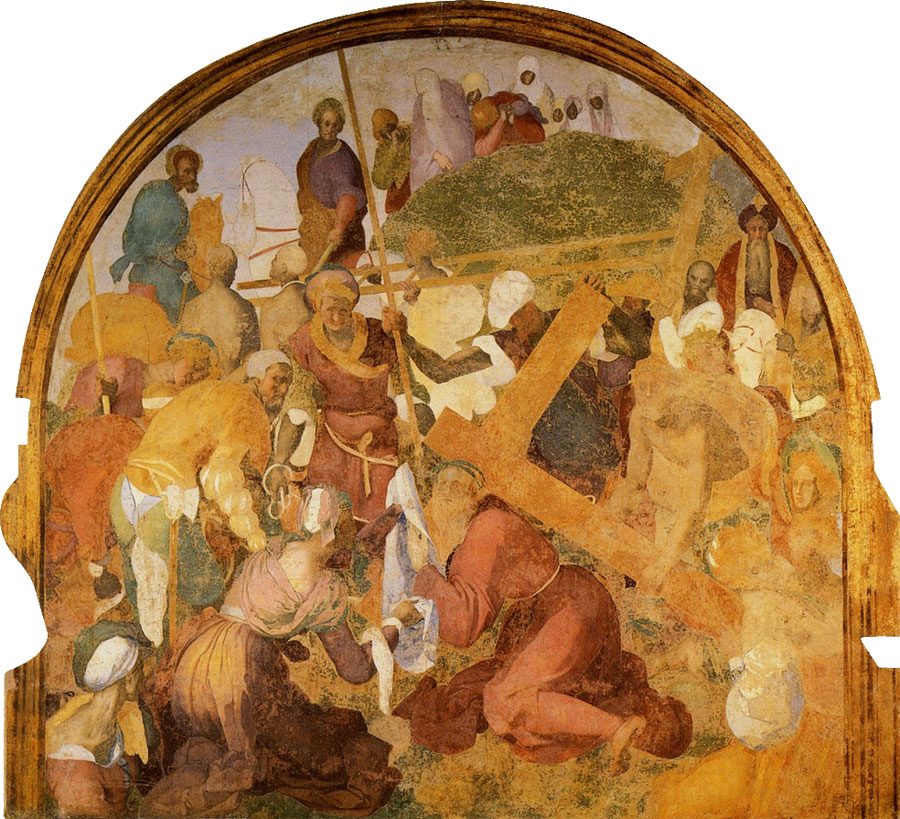
The large cloister originally
preserved the five lunettes
painted by Pontormo between
1522 and 1525, representing
episodes from Christ's Passion.
The lunettes were removed
because they were badly damaged
and are now exhibited together
with a rich art collection
of works from the 14th to
the 18th century in the picture
gallery of the monastery.

|