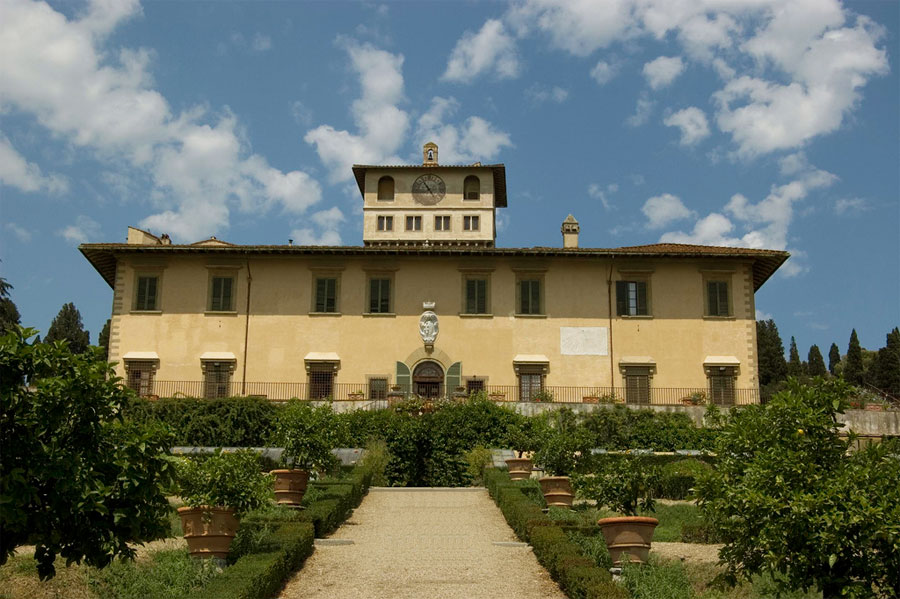
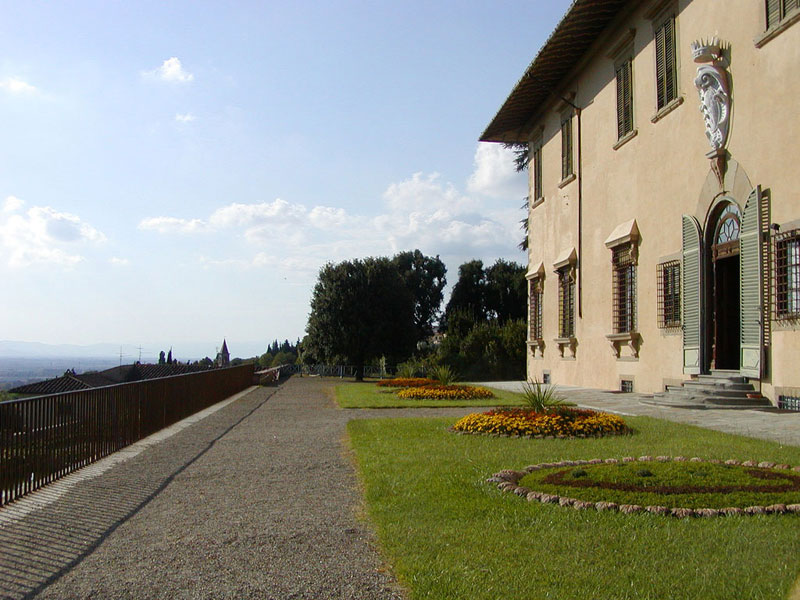
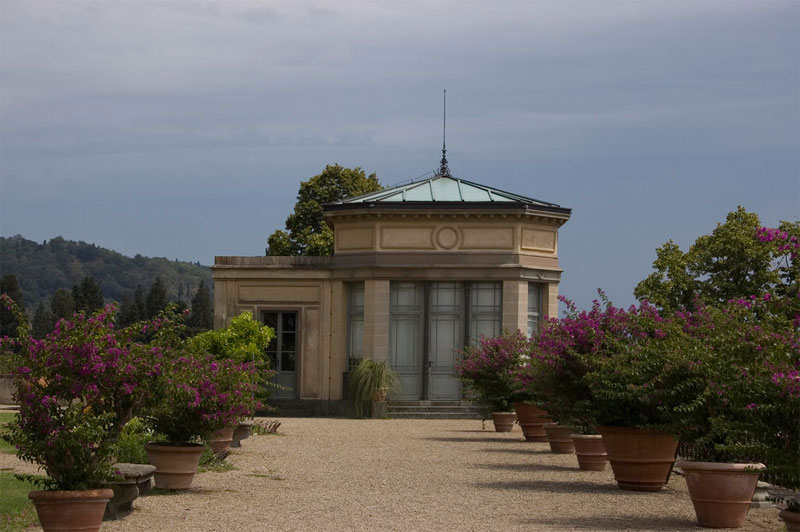
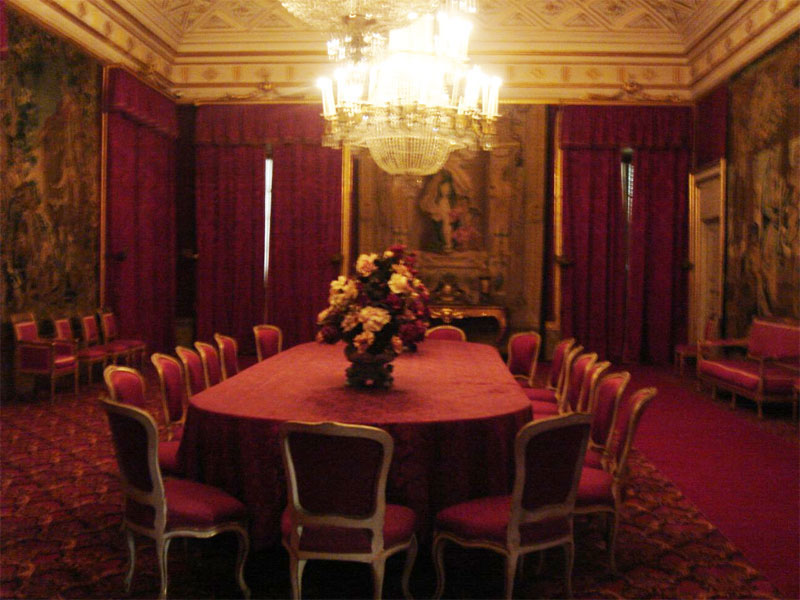
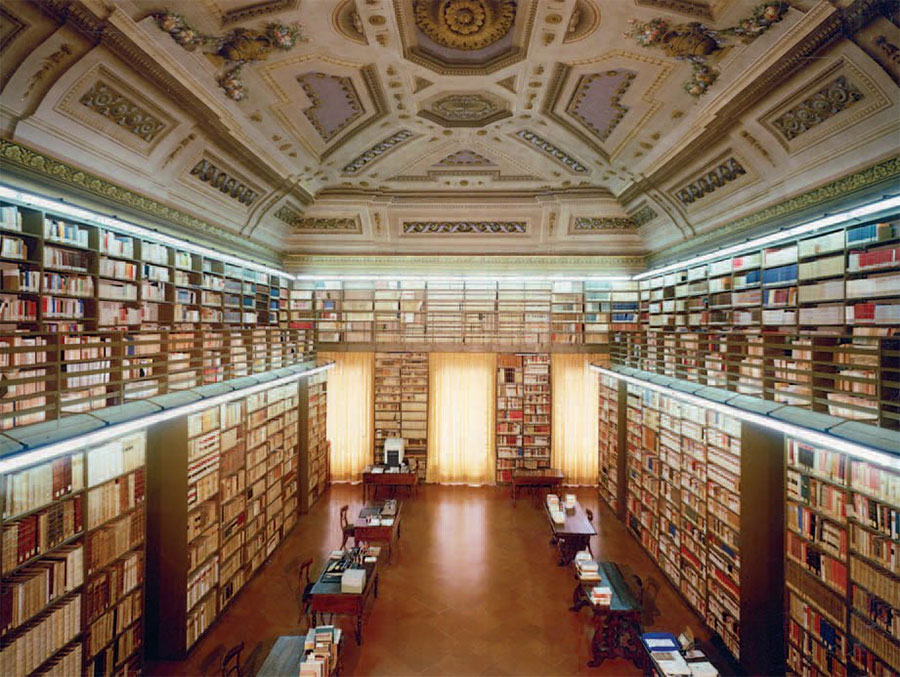
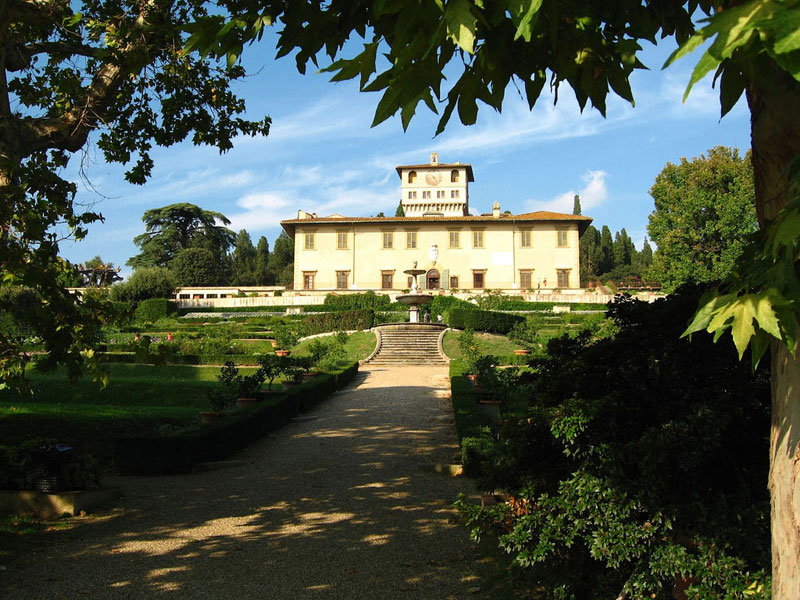
The Medici Villa of Petraia forms, together with the Italian style garden
and the romantic park that
surrounds it, a very interesting
museum complex both in
term of architectural decoration
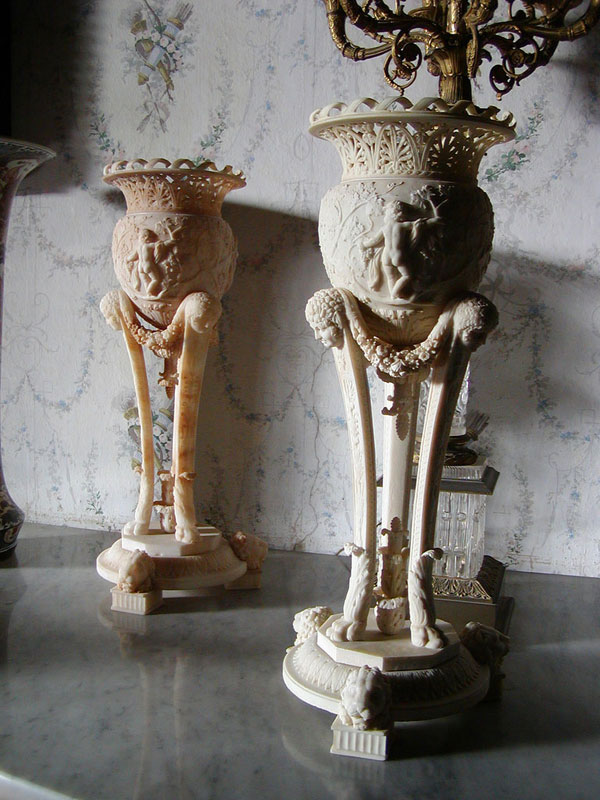
and because of the furniture
is it still preserves in
its interior. The current
layout was arranged during
the reign of the Savoy.
The old castle that already existed in 1362 changed owners several times
(Brunelleschi, Strozzi, Alessandra
dei Bardi, Salutati) and
was finally acquired by the
Medici when they returned
to Florence in 1530. Transferred
from Cosimo I to his son,
Cardinal Ferdinando in 1568,
it was enlarged and transformed
into a Villa on initiative
of the latter who became
Gran Duke after the death
of his brother Francis I
(1587). This general architectural
layout , that typically reflects
the style of Buontalenti.,
owed to Davide Fortini was
later integrated whith decorative
elements and wall paintings
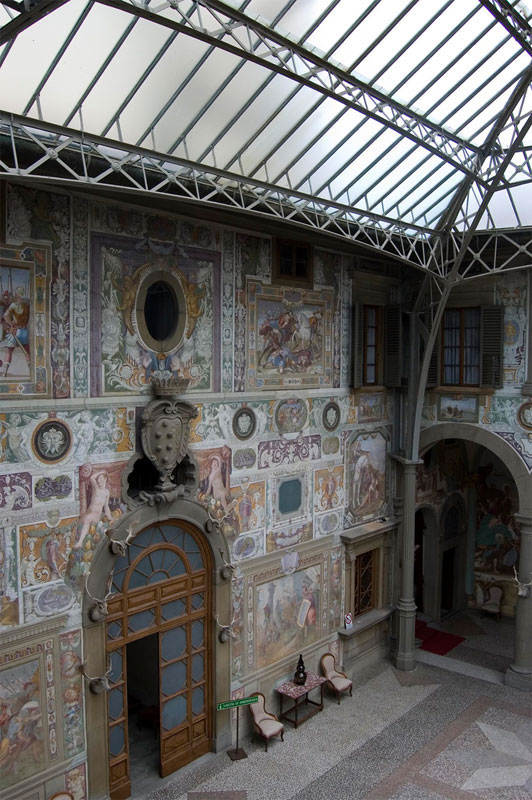
by its owners. The two cycles
of frescoes that fully cover
the walls of the courtyard
belong in fact to the Medici
period. The central section
of first fresco by Cosimo
Daddi commissioned by the
wife of Ferdinando, Cristina
of Lorraine , shows the Deeds
of Goffredo di Buglione during
the siege of Jerusalem. The
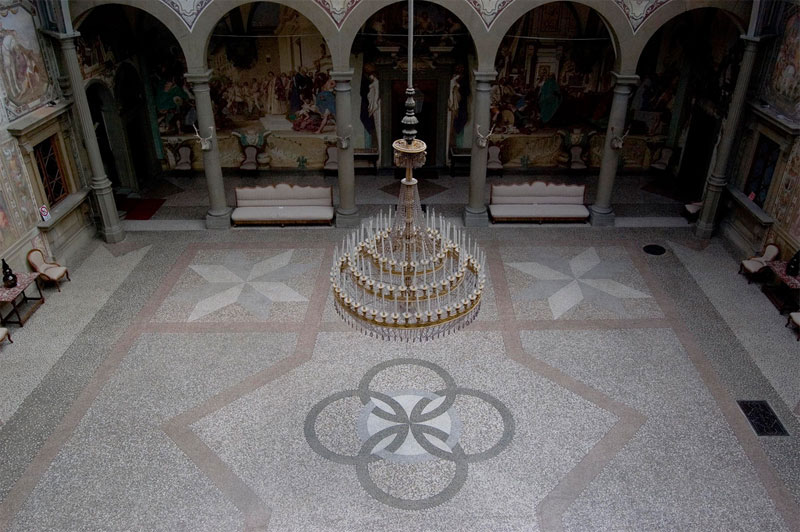
other fresco commissioned
by Lorenzo de' Medici to
Baldassarre Franceschini
named the "Volterrano" illustrated,
in the space below the two
loggias, episodes from the
Medici's life and can therefore
be rightly enough considered
one of the most representative
examples of Florentine painting
in the early 17th century.
It was again Ferdinando who
commissioned the decoration
of the Chapel on the first
floor, attributed to Bernardino
Poccetti.
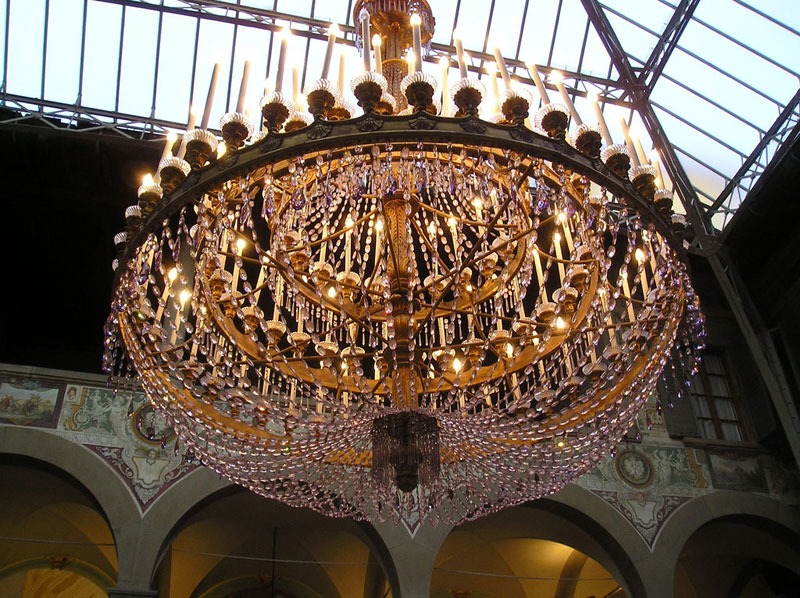
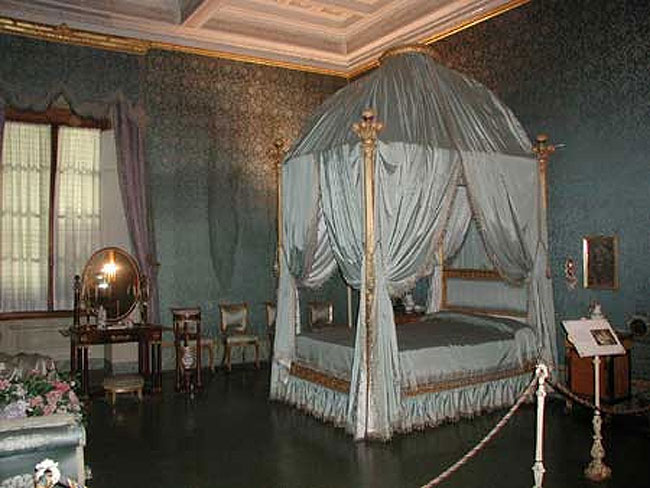
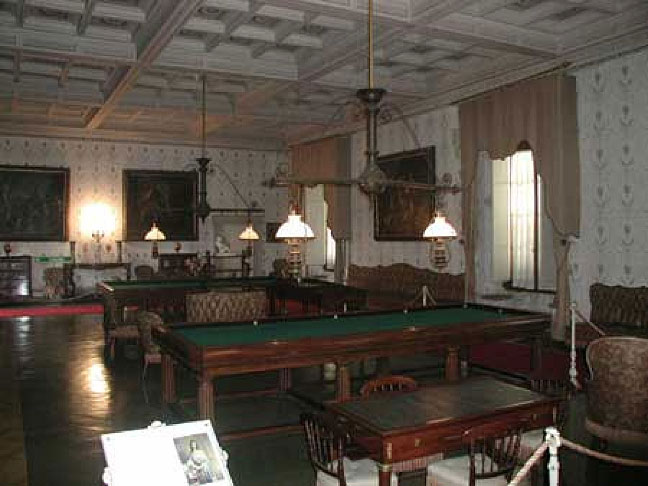
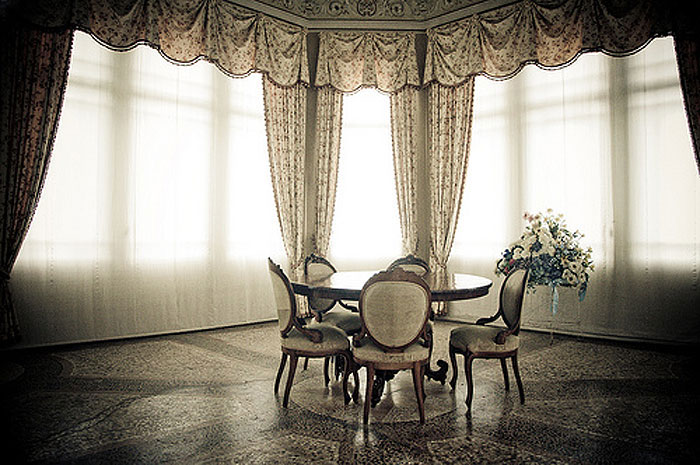
The walls painting in the chapel on the first floor and in some of the rooms were instead executed during the Lorraine period, although the palace owes its present-day layout (iron and glass panel covering the courtyard, its transformation into a large ball room and the arrangement of the furniture ) to the Savoy. In this occasion, the Savoy broughth several fabrics and furniture decor from other residences they owned in Turin, Modena, Lucca and Parma.
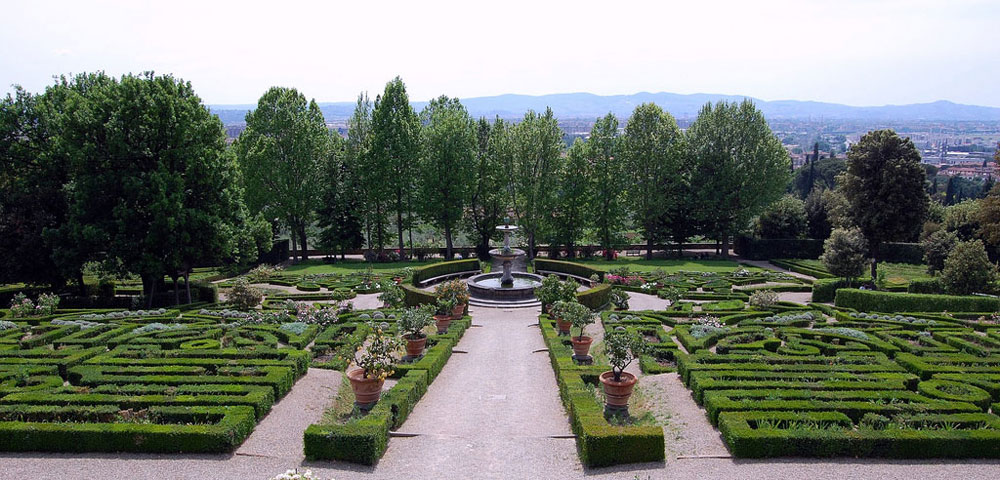
Even
the large garden surrounding
the villa bears trace of the
historical stratification of
the building. The base layout,
clearly dating back to the
late 16th century, has been
enriched by 18th-19th century
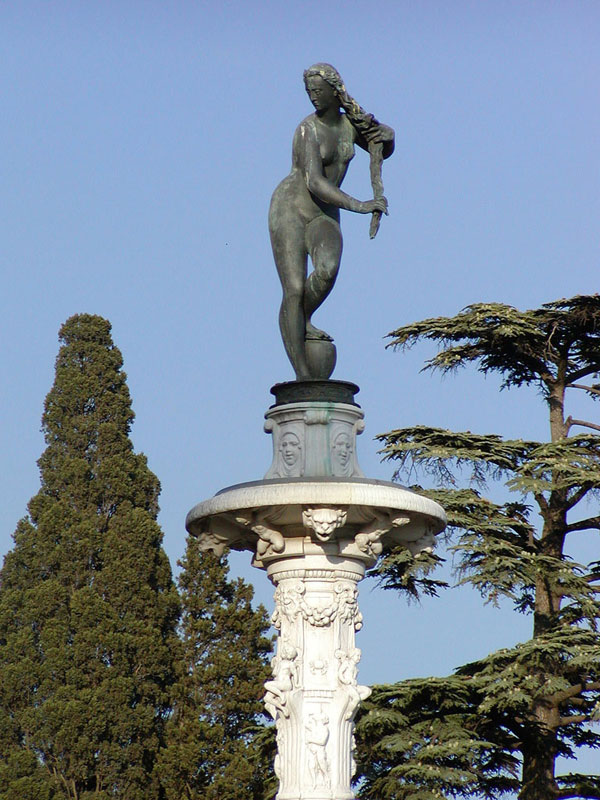
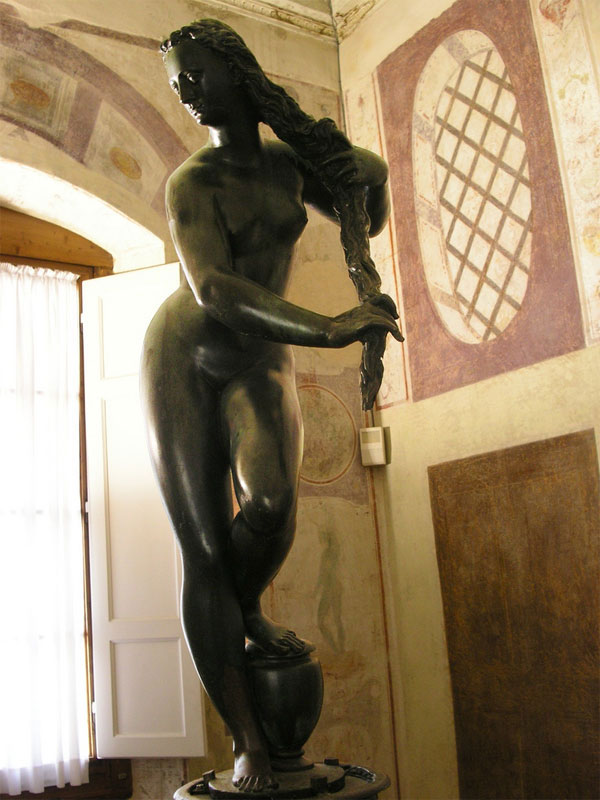
additions, such as the so called "Piano
della figurina" decorated
with the Fountain of Fiorenza
(Niccolò Tribolo, Pierino
da Vinci and Giambologna) and
the English style park on the
northern side, created with
the typically romantic taste
that characterised the first
half of the 19th century.
|