The
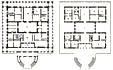
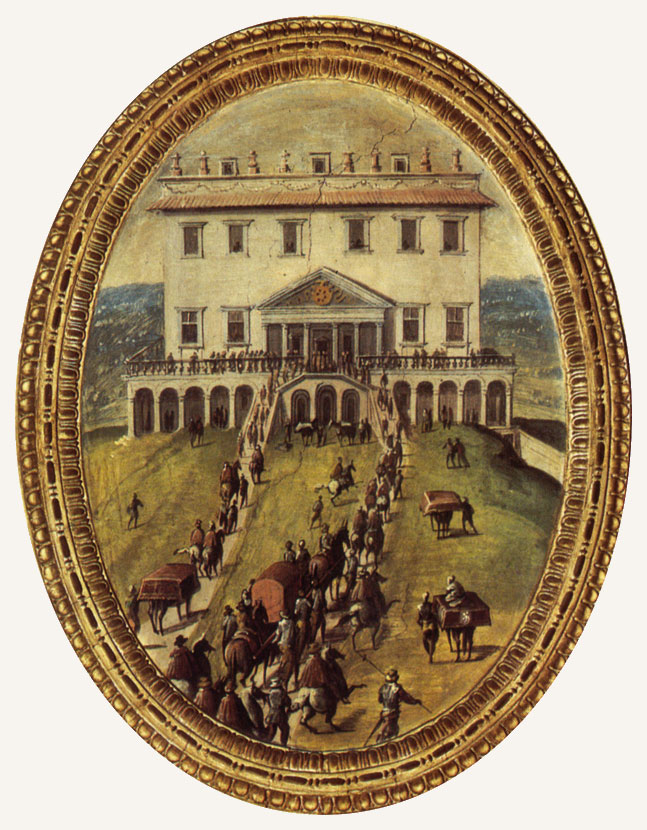
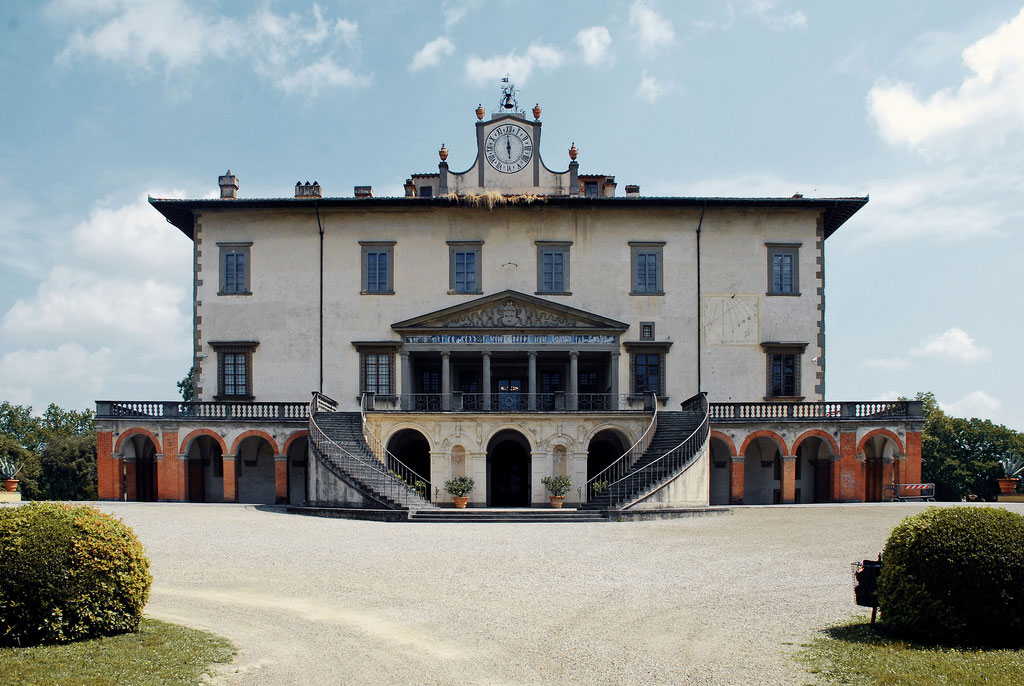
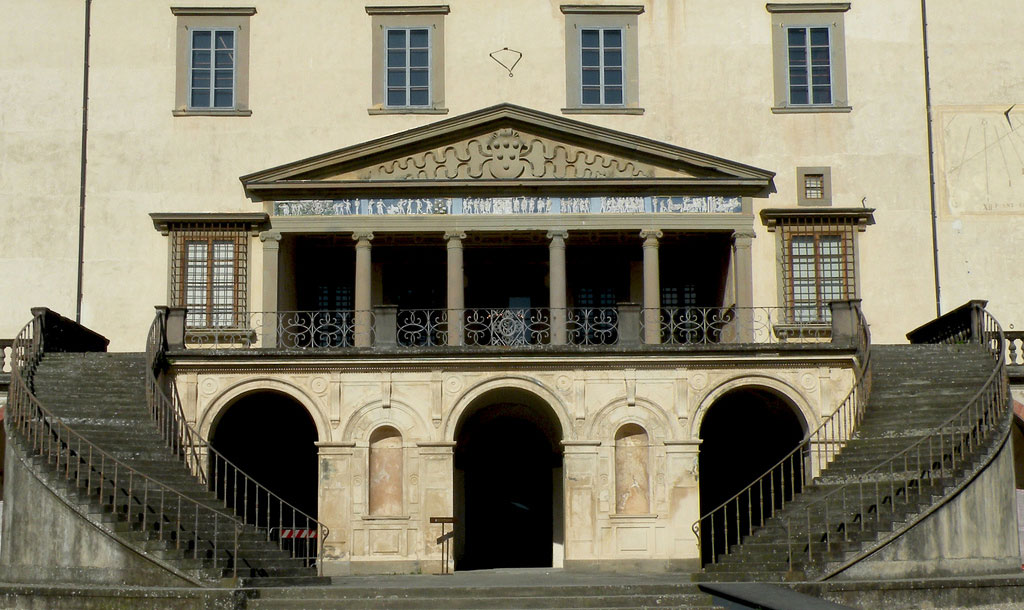
Poggio a Caiano villa,
certainly one of the most
interesting building projects
of the early Renaissance,
was begun in 1485 by the
express wishes of Lorenzo
the Magnificent who chose
Giuliano da Sangallo (1445-1516)
to carry out the plan.
In fact, this construction
presents many features
of the new Renaissance
architectural idea, especially
in a renewed attention
to classical building models
and nature. Of particular
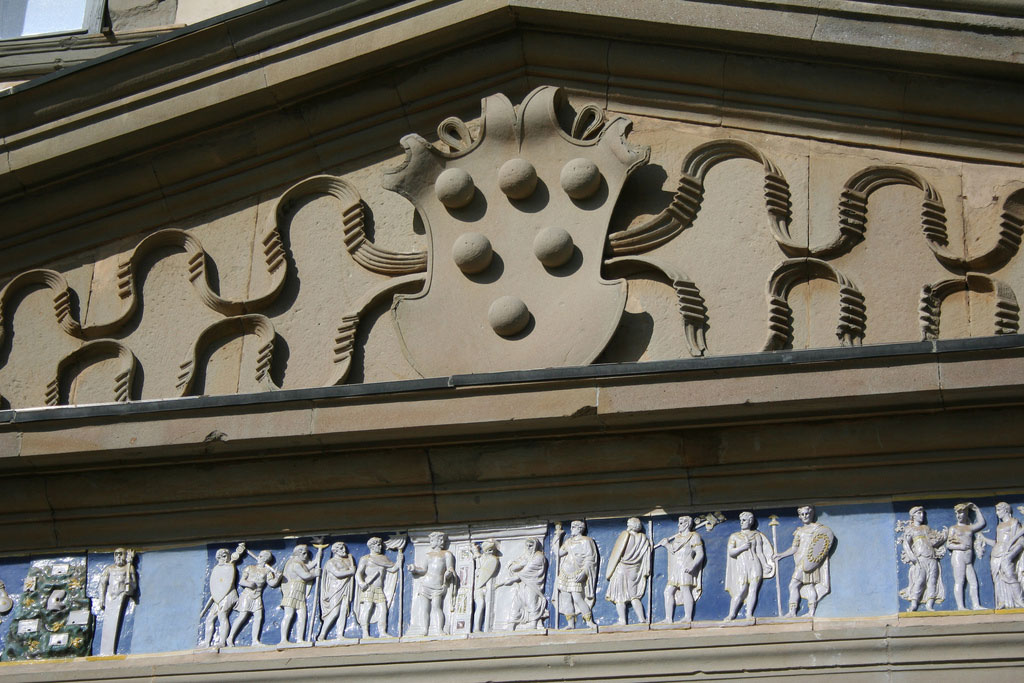
interest is the small entrance
pronaos on the first floor:
with its pillars with wide
intercolumniations and
its glazed terracotta frieze,
it adheres to the idea
of the tuscanicae dispositiones
as set forth by Vitruvius
in the 1st century BC.
Other noteworthy features
are found in the large
central hall which recalls
the oecus of Roman villas
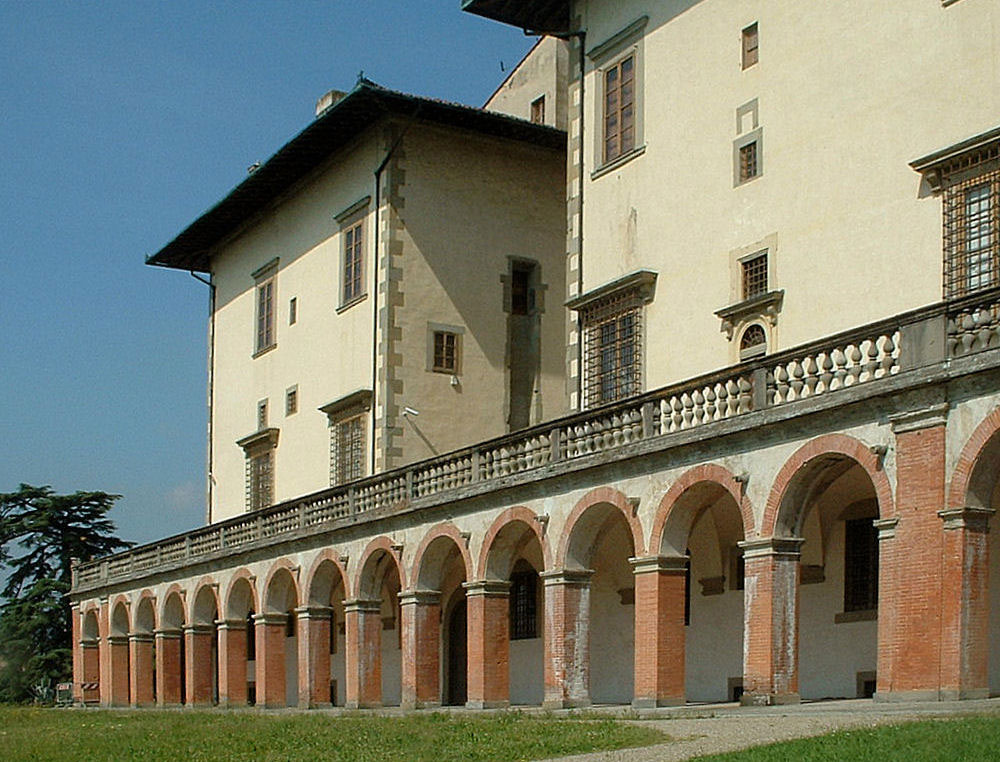
and in the open loggia
on the ground floor which
runs along all four sides
of the building. This
latter architectural
creation explicitly reveals
a new attitude towards
nature. In fact the loggia
opens the building towards
the outdoors, inviting
the natural world to
take a direct part in
the architectural composition.
Strictly in-looking structures
are abandoned in favor
of forms that allow man
to achieve a new spatial
and existential dimension. At the moment of Lorenzo’s
death (1492), the villa
was still incomplete
and it wasn’t until
1512 that construction
began again, this time
according to Pope Leo
X’s orders. The
villa didn’t undergo
any further substantial
modification in the following
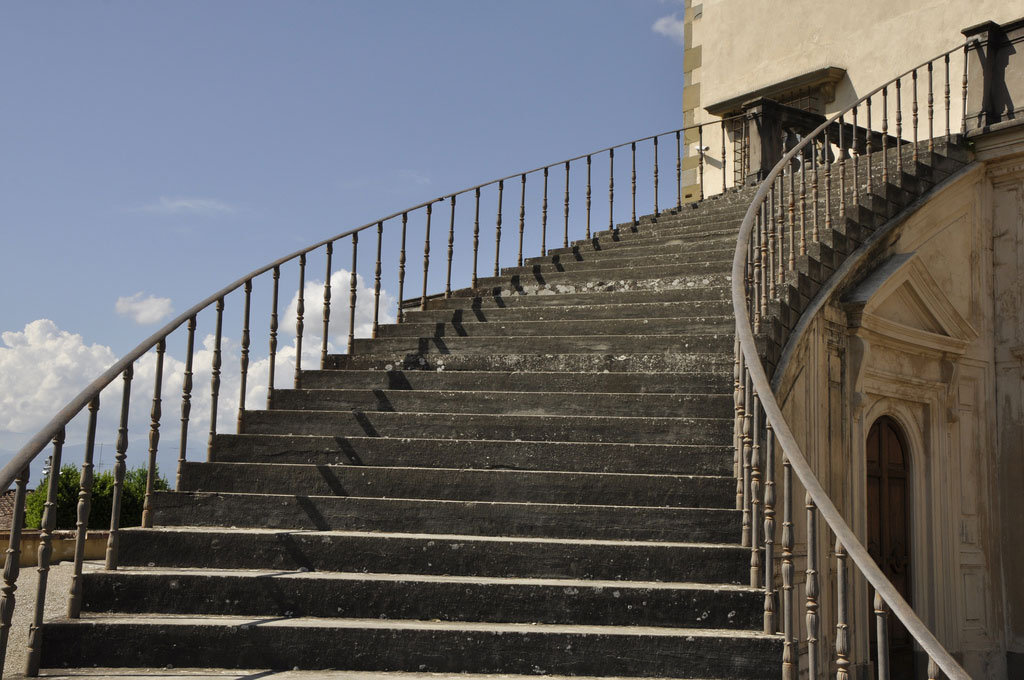
centuries; in the nineteenth
century, the architect
Poccianti was instructed
to design a grand indoor
staircase as well as
two new flights of stairs
outdoors in order to
allow access to the terrace.
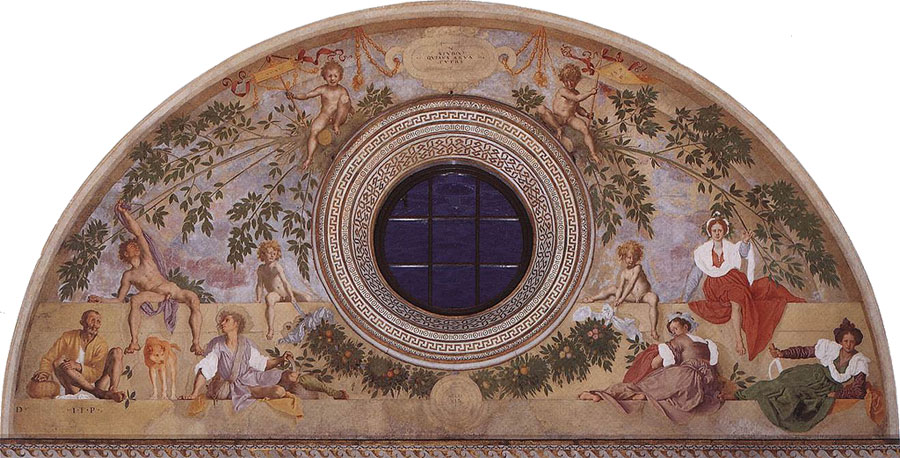
The
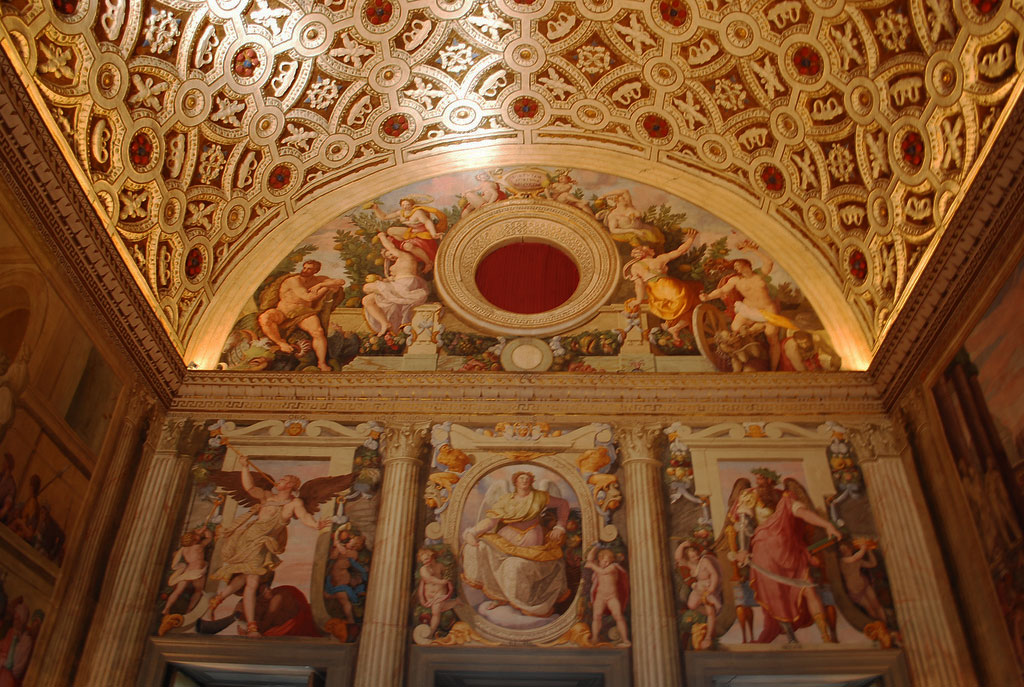
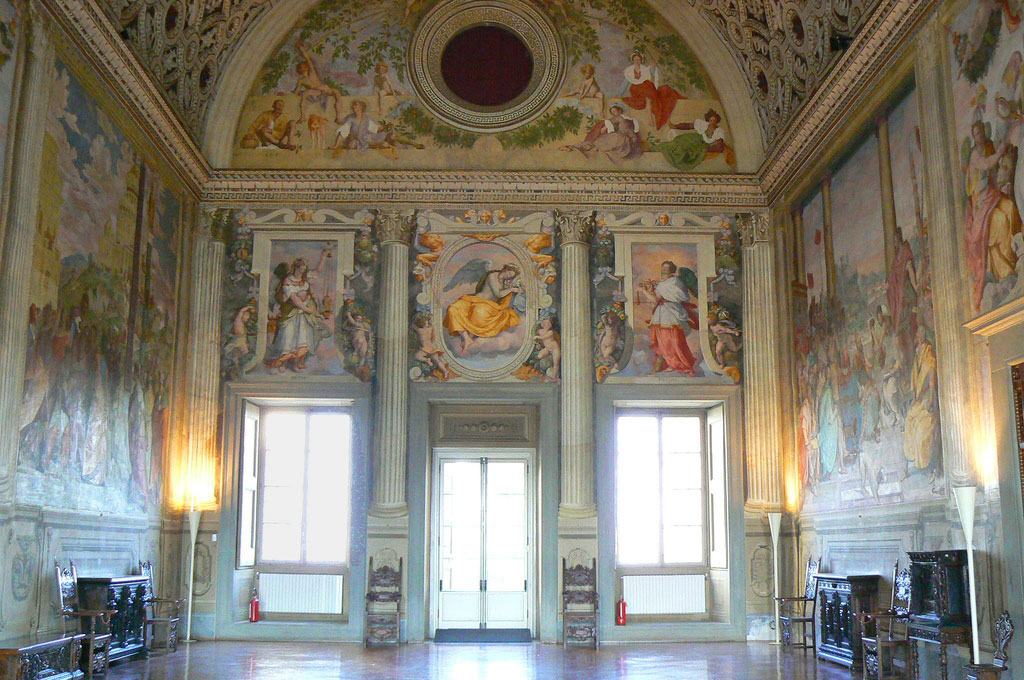
villa’s central hall
is decorated with frescos
carried out between 1519
and 1521, according to the
wishes of Pope Leo X (Lorenzo
the Magnificent’s son).
A synthesis of the most representative
Florentine painting of the
sixteenth century, the cycles
were executed by Pontormo
(1494-1556), Andrea del Sarto
(1486-1531) and Franciabigio
(1482-1525) who respectively
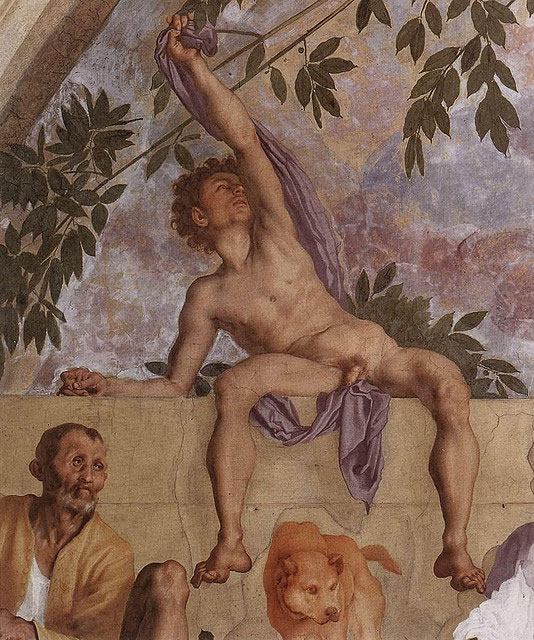
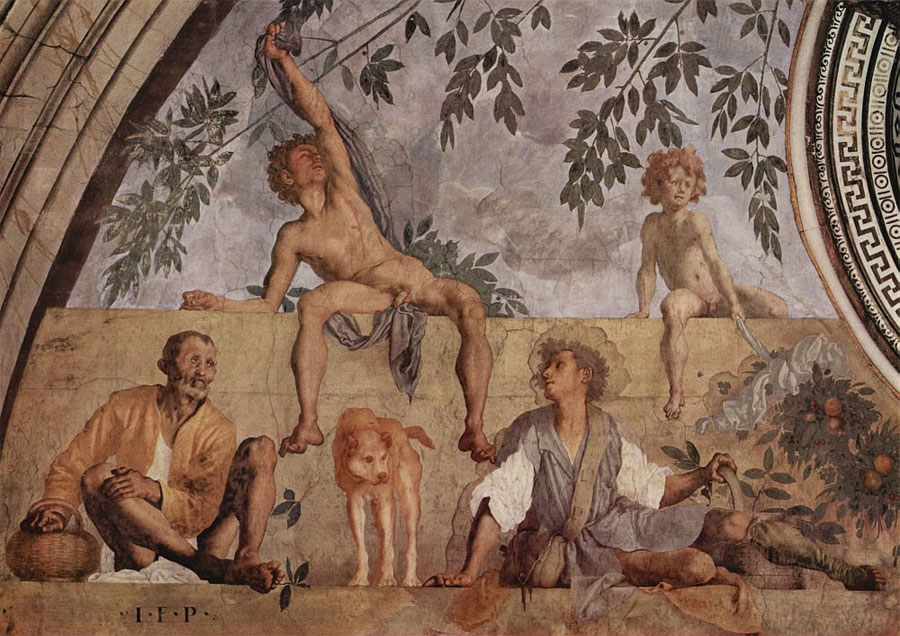
painted the “Vertumnus
and Pomona” rural scenes
which are in keeping with
the secular spirit animating
the whole architectural complex;
the “Tribute to Caesar”,
which represents an event
taken from Lorenzo’s
life; and “Cicero’s
Return from Exile” which
celebrates Cosimo’s
return to Florence. The latter
two works were later touched
up by Alessandro Allori (1535-1607)
who added on to the sides
and painted the other frescos
in the hall.
The villa is 22 km far from
the center of Florence.
|
|
|
|
|
The Villa |
| |
|
Monumental
stairs |
| |
|
Pediment
with Greek allegories |
|
|
| |
|
| |
|
| |
|
| |
|
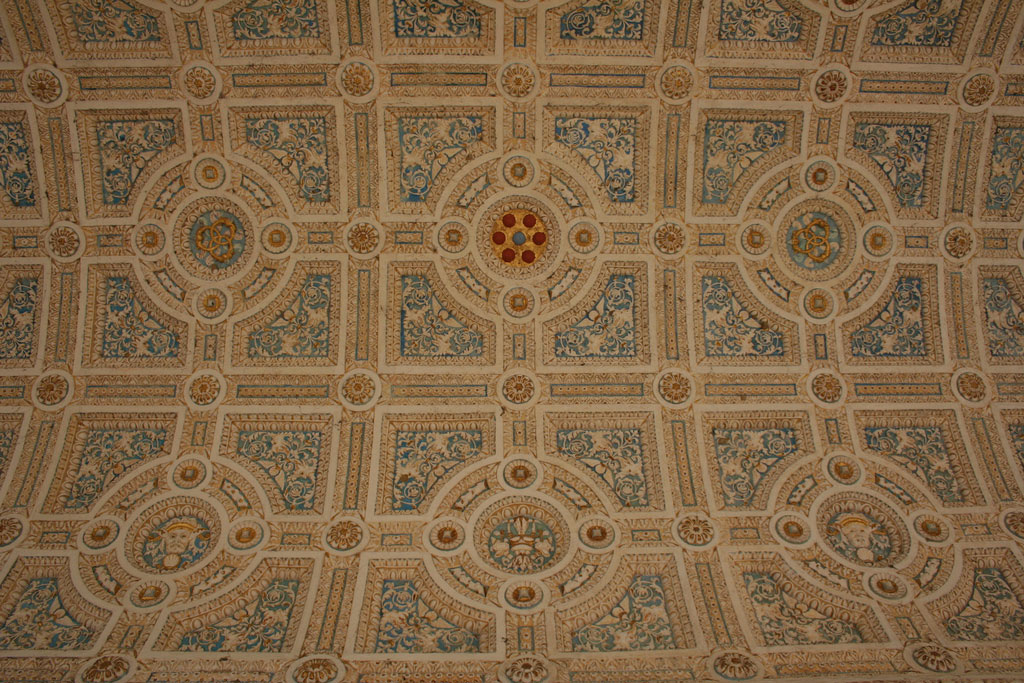
Ceiling painting in the front,
under the arcades
|
|
|
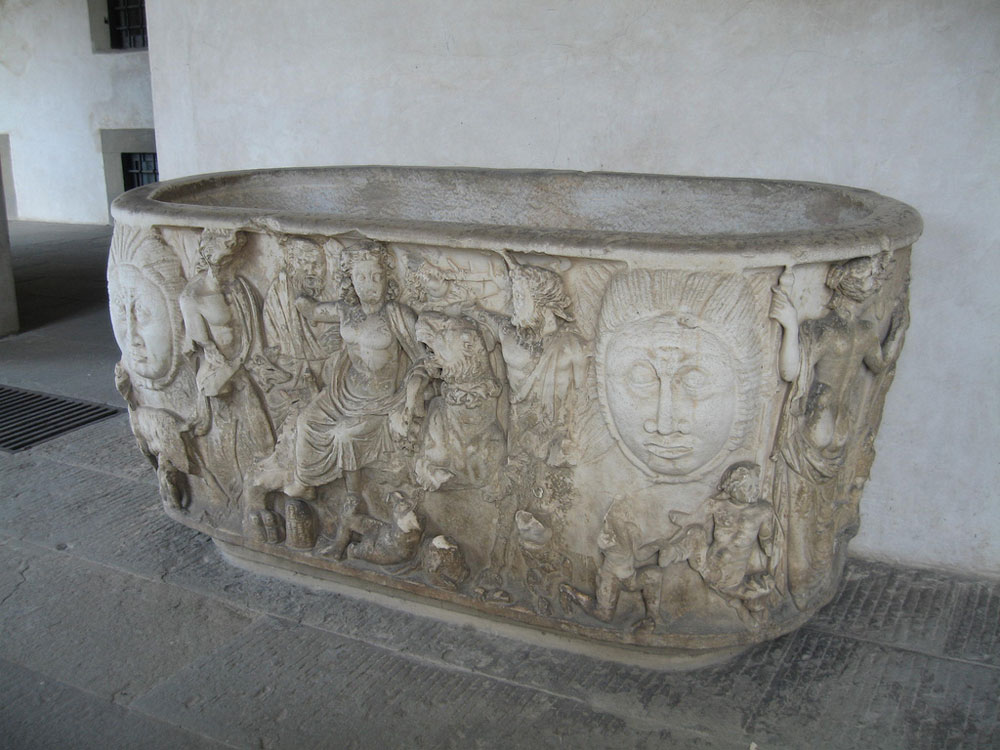
Old
Roman sarcopagus - the two sculpted
sun faces
have been
made probably in the 16th century |
|
|
| |
|
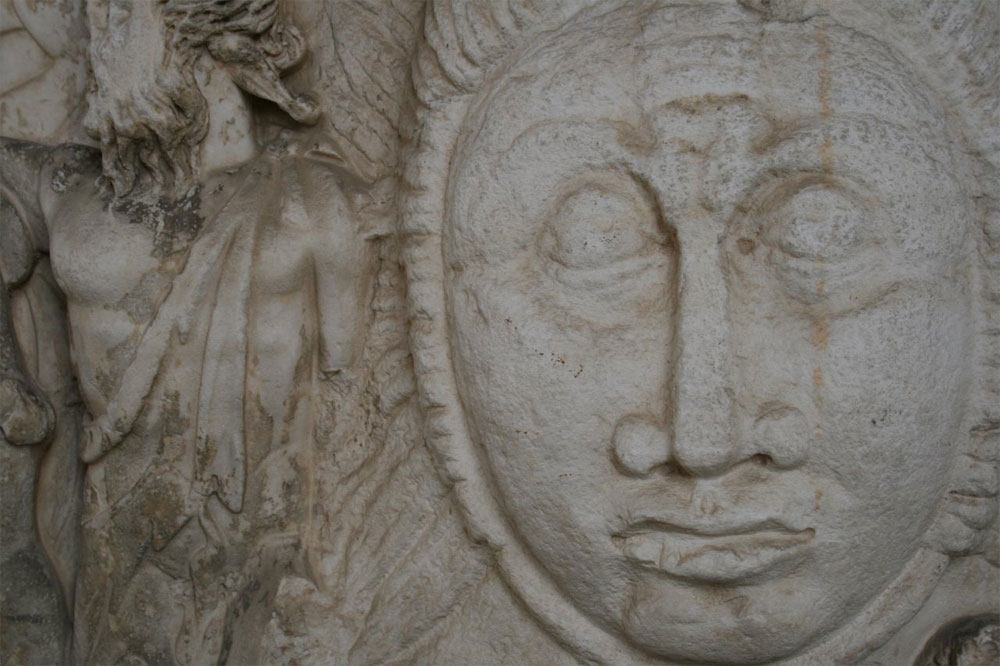
Detail
of one of the faces |
|
|
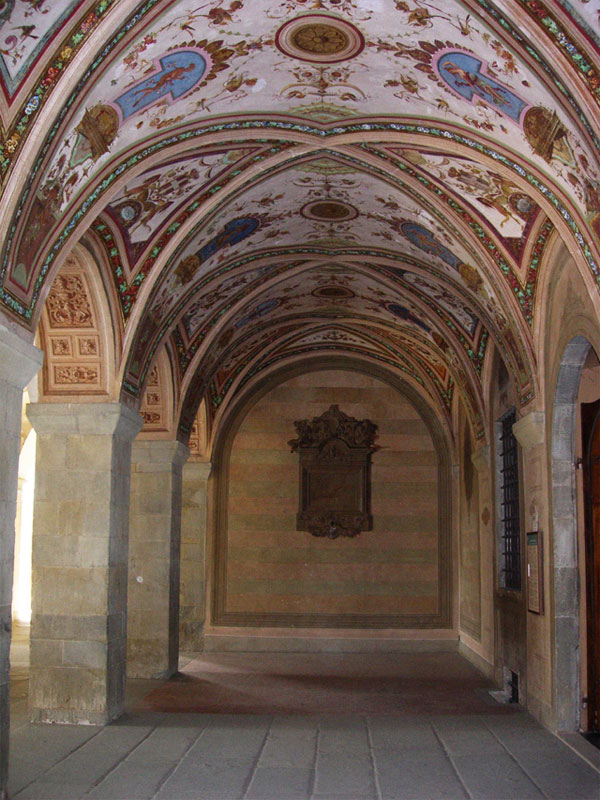
Ceiling
of the porches with grotesques |
|
|
| |
|
Hall
of Pope Leone X
Frescoes by Alessandro
Allori |
|
|
|
| |
|
Hall
of Pope Leone X
Painting of Pontormo
and Allori |
|
|
|
| |
|
| |
|
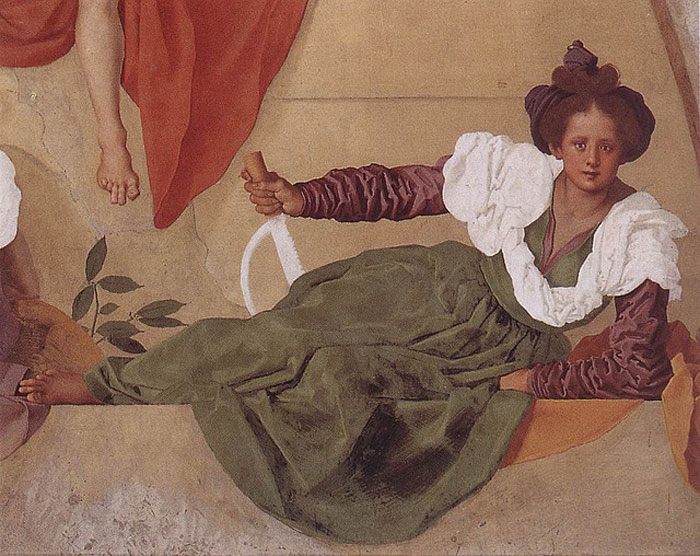
Pontormo
Fresco depicting Vertumnus and Pomona
- Detail |
|
|
Pontormo
Fresco depicting Vertumnus and Pomona
- Detail |
|
|
| |
|
Pontormo
Fresco depicting Vertumnus and Pomona |
|
| |
|
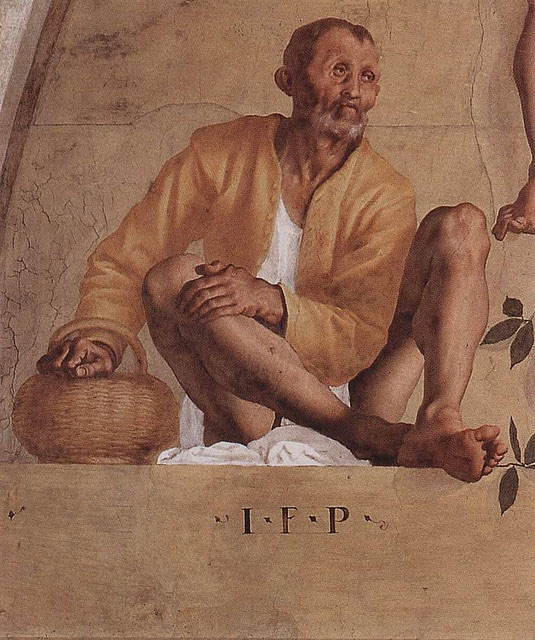
Pontormo
Fresco depicting Vertumnus and Pomona
- Detail |
|
|
Pontormo
Fresco depicting Vertumnus and Pomona
- Detail
|
|
|
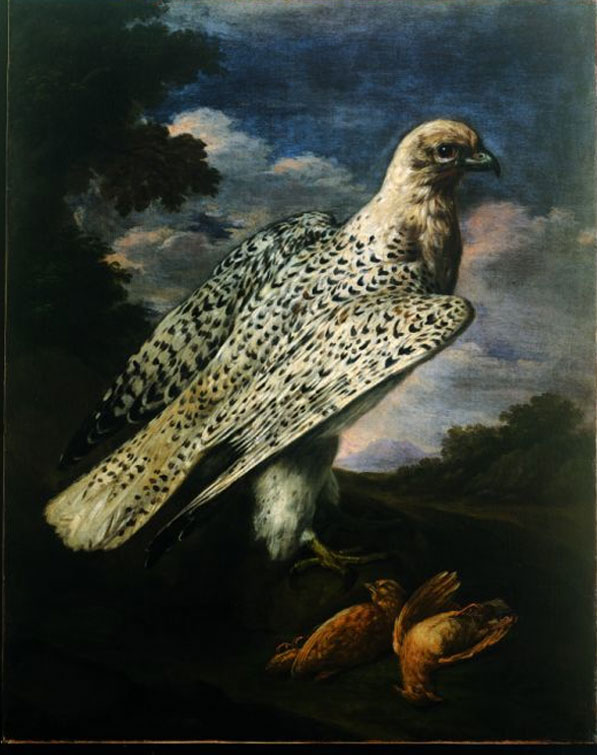
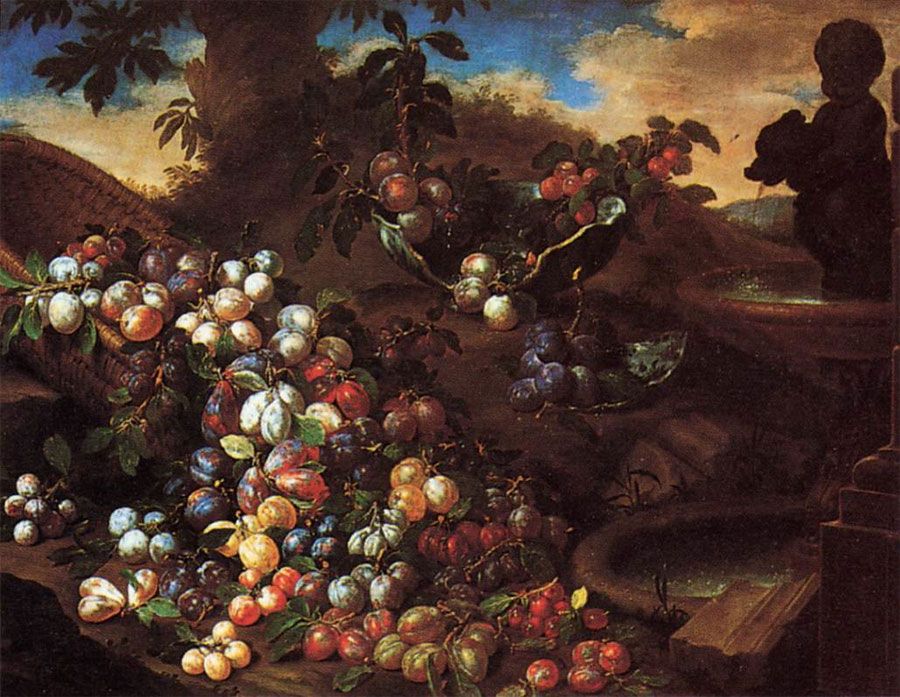
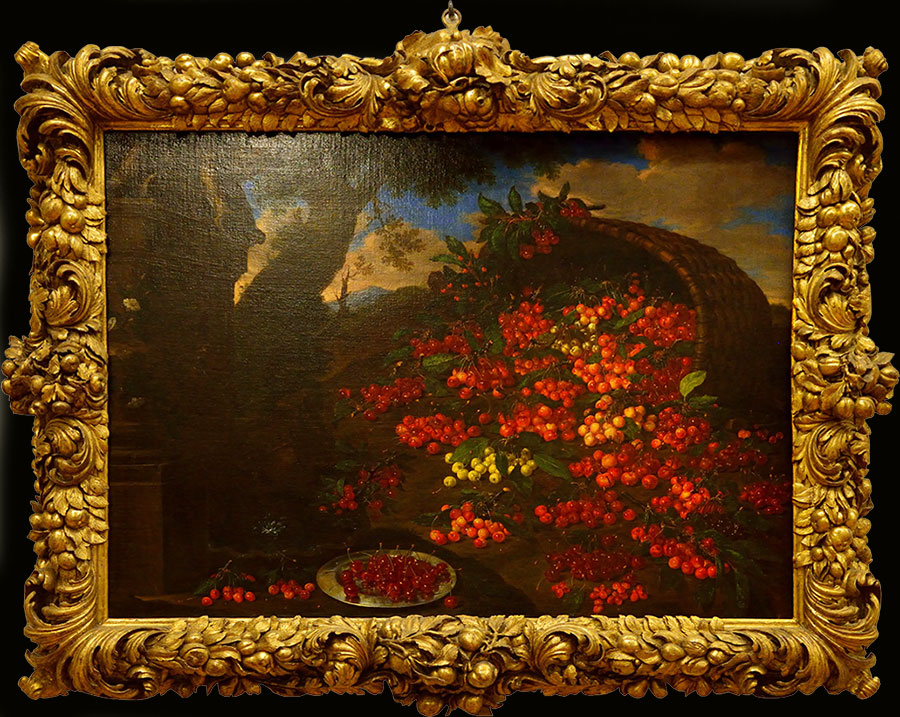
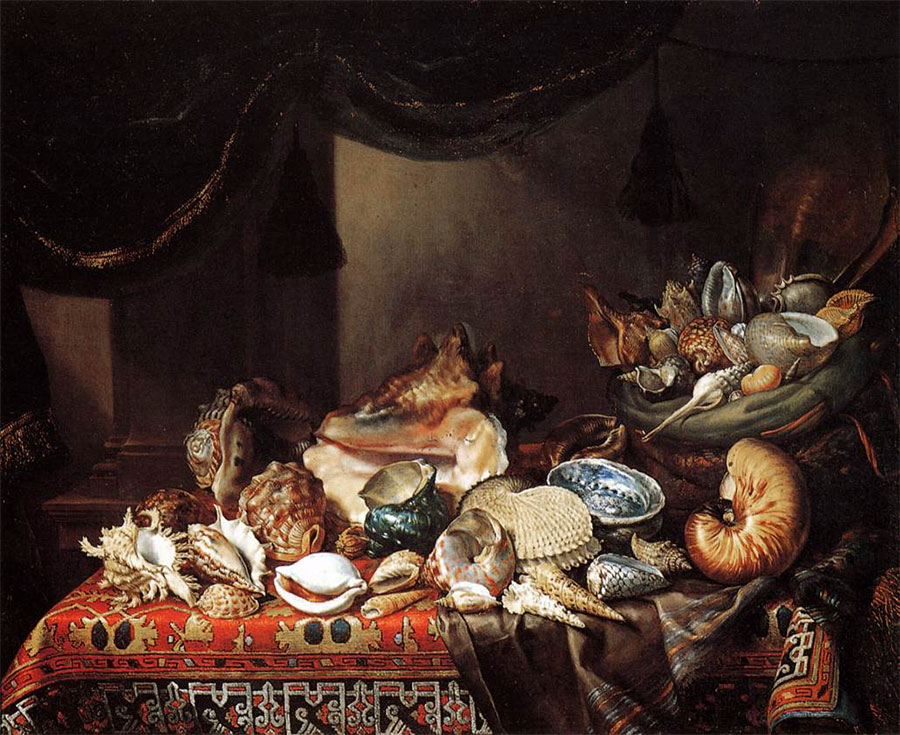
In
the Villa - Museum of Still Life |
|
|
|
Bartolomeo Bimbi
Falcon - 1708 |
|
|
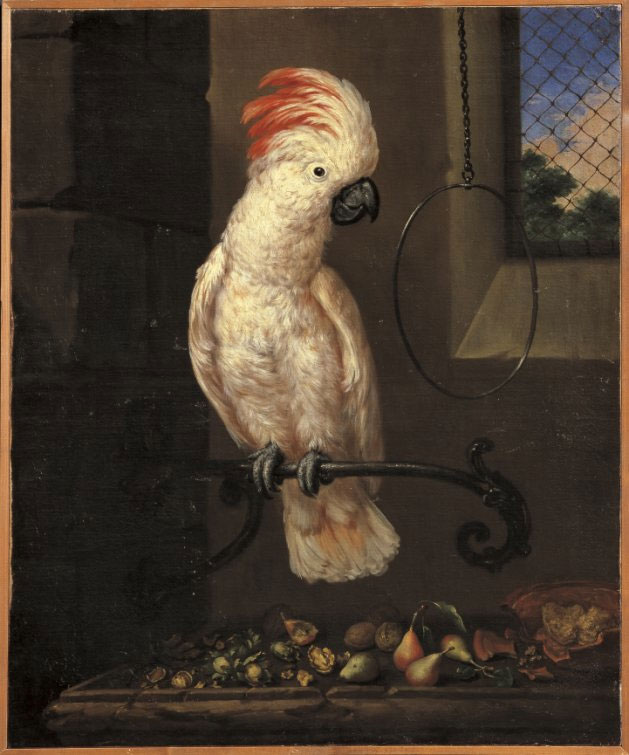
Bartolomeo
Bimbi
White Parrot - 1716 |
|
|
| |
|
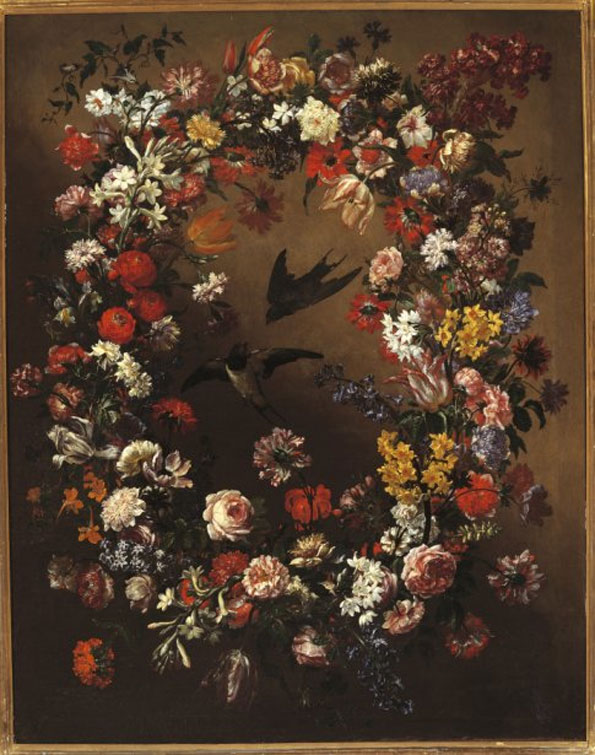
Bartolomeo Bimbi
Flowers and Swallows
1690 - 1695 |
|
|
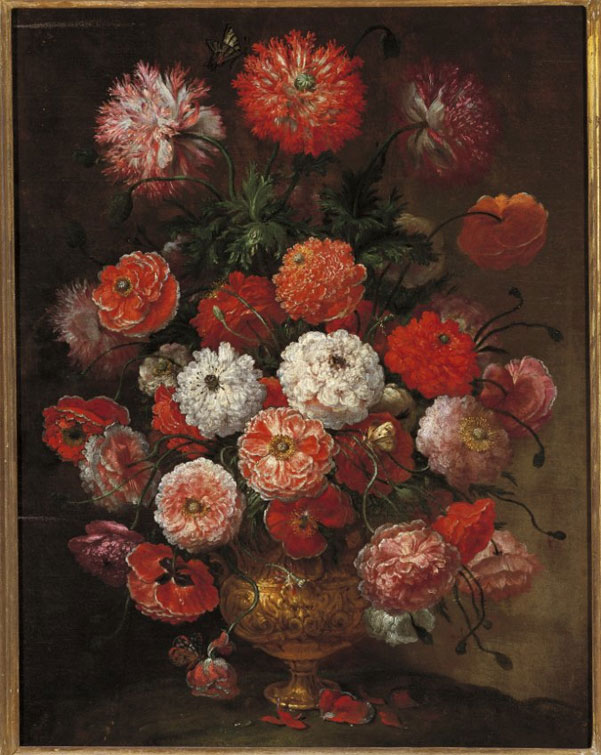
Bartolomeo Bimbi
Wild Roses
1717 |
|
|
| |
|
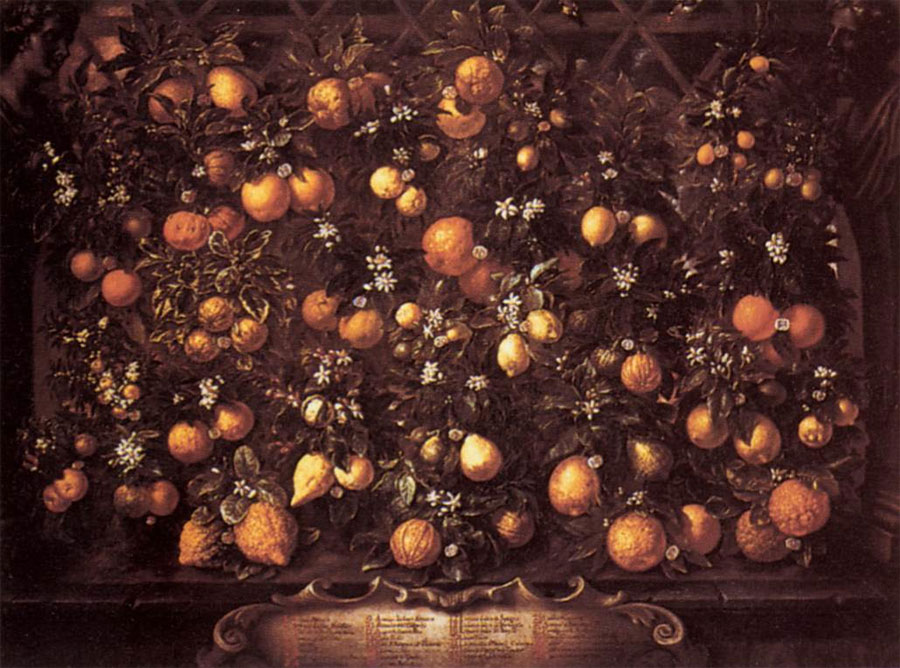
Bartolomeo Bimbi
Oranges and Lemons
1704 |
|
|
Bartolomeo Bimbi
Plums
1716 |
|
|
| |
|
Bartolomeo Bimbi
Cherries
1712 |
|
|
Bartolomeo Bimbi
Shells
1720 |
|
|
|
| |