Museum
and monument. A place to
remember and celebrate
the greatness of Michelangelo
and at the same time a
pompous and Baroque exhibition
of the art collections
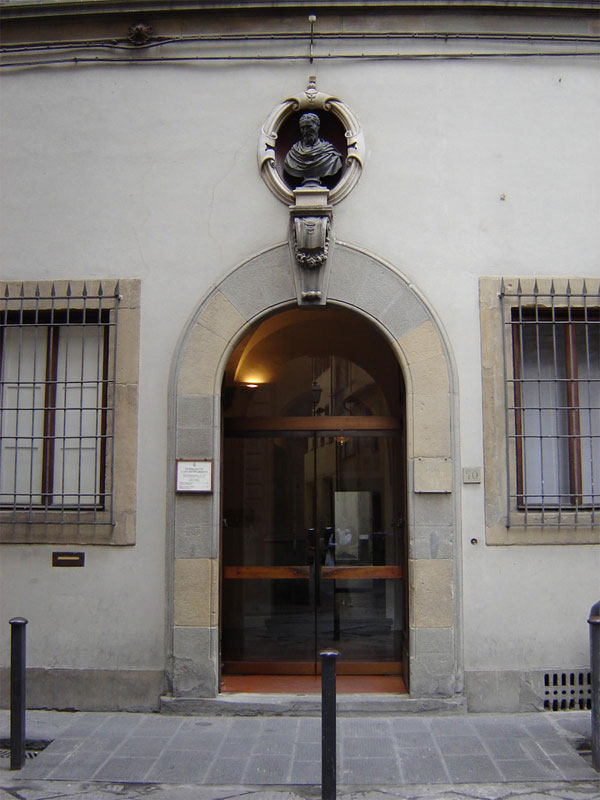
of the family. Casa Buonarroti
is one of the most extraordinary
Florentine museums. It
offers in the first place
the possibility of admiring
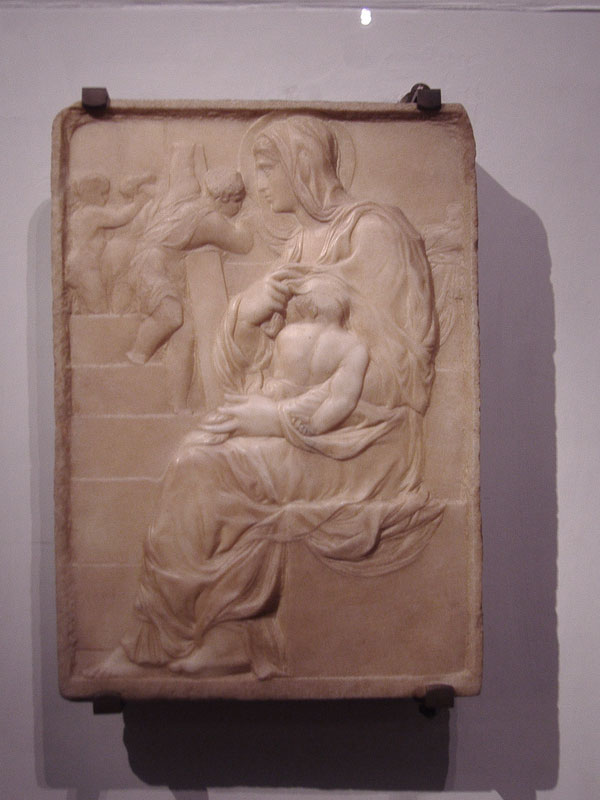
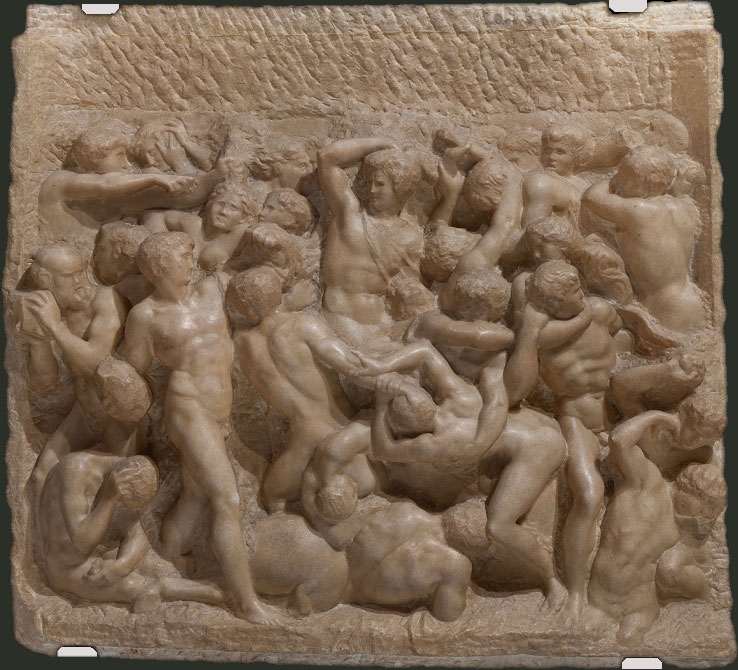
the two famous marble
relief pieces, sculptured
by Michelangelo in his
early years: the Madonna
della Scala, which clearly
shows the passion of
this artist for Donatello
and the Battle of the
Centaurs that echoes
the admiration of the
artist for classic art.
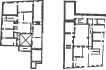
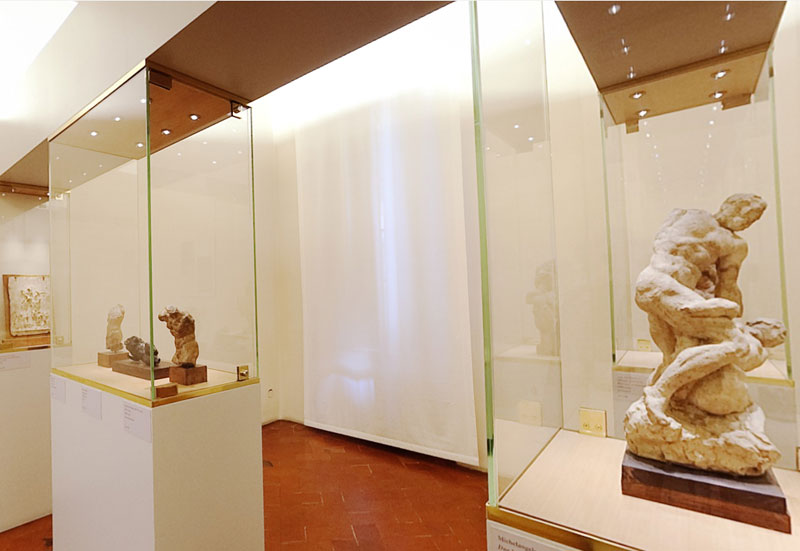
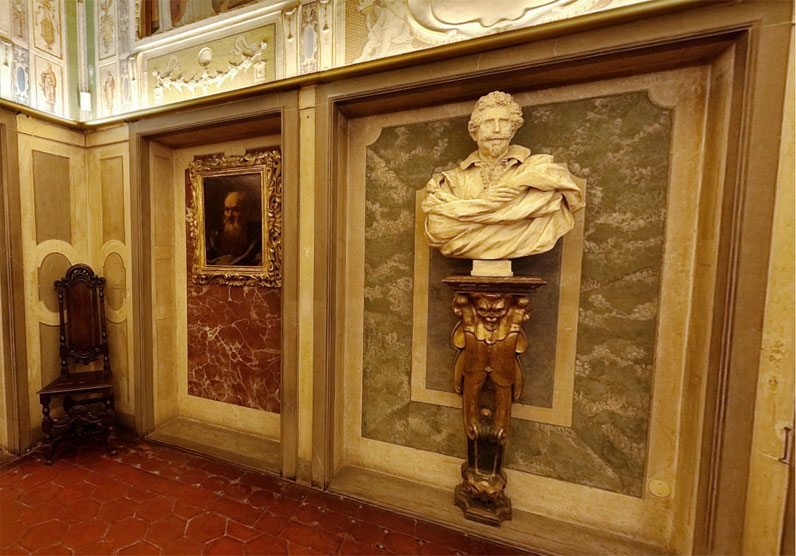
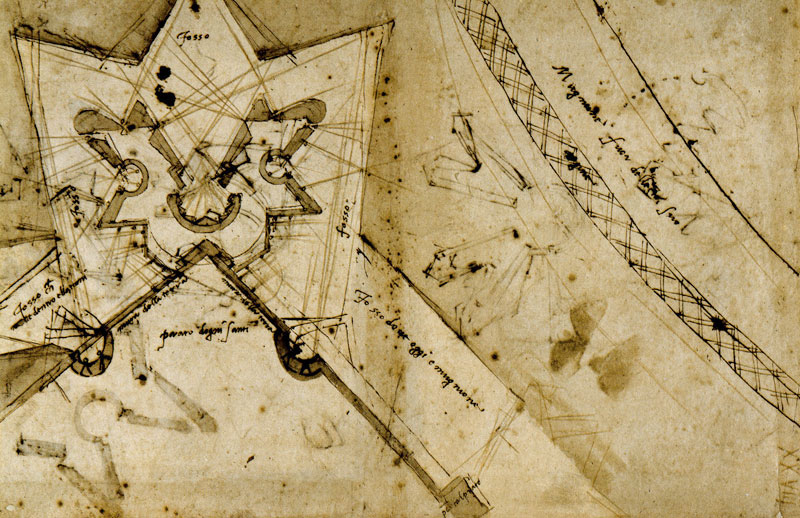
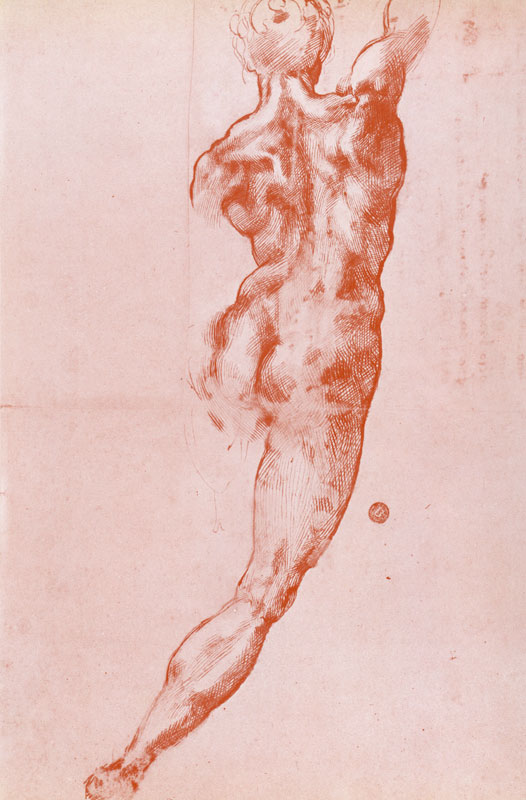
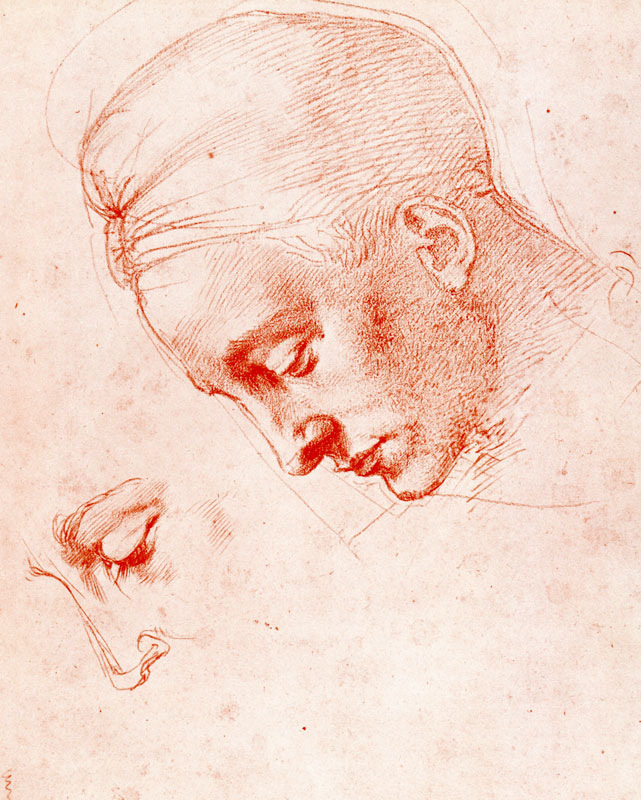
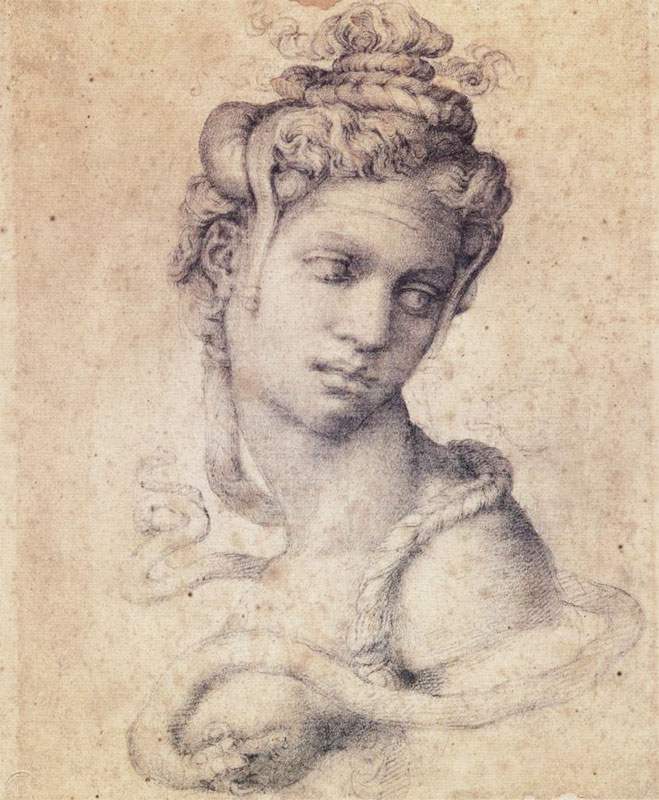
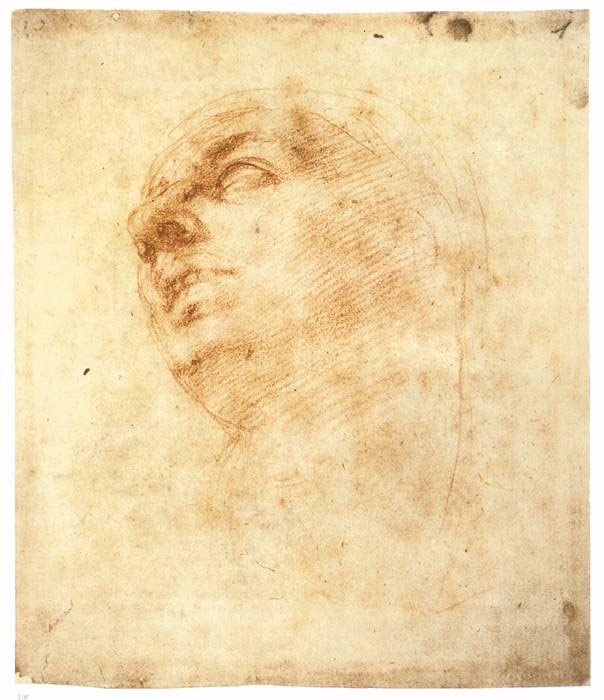
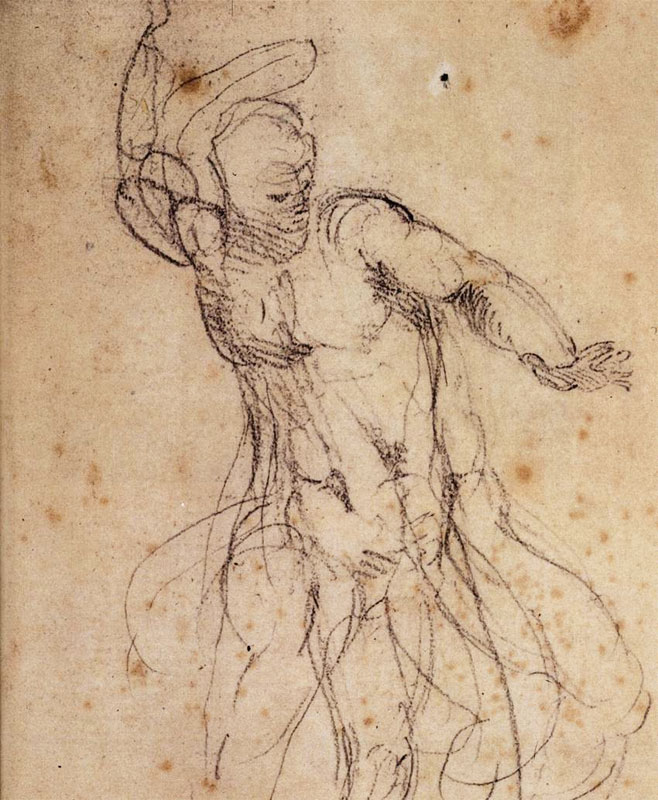
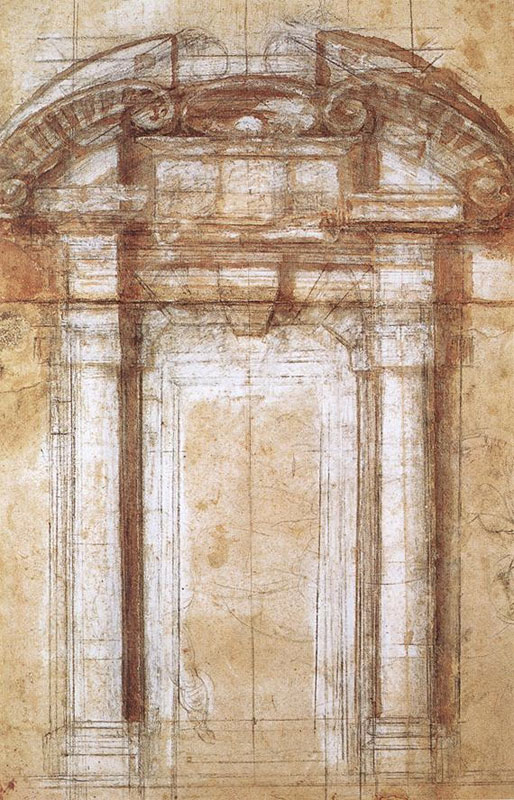
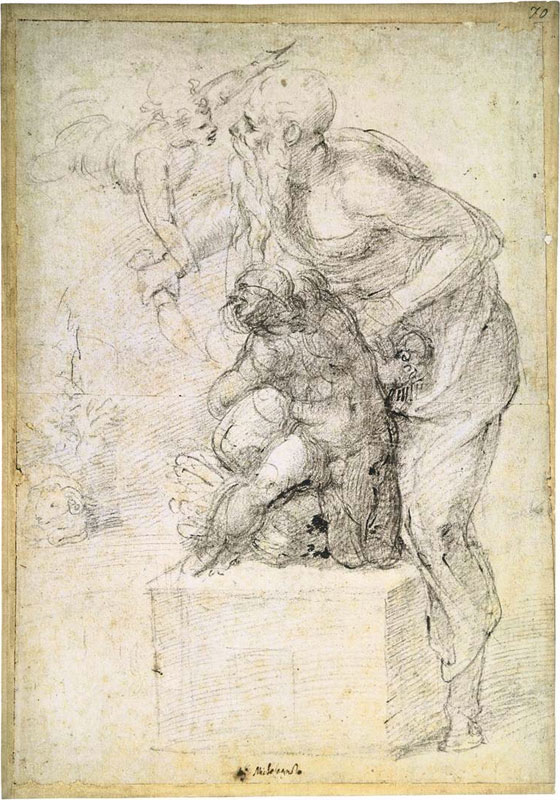
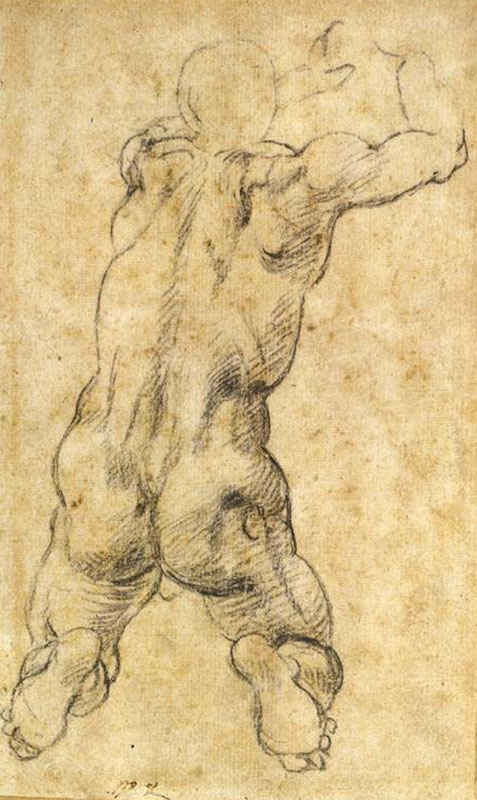
It is equally suggestive to enter this 17th century palace and connect the works by Michelangelo to the centuries of history of the Buonarroti family, who greatly contributed to enlarge the building and embellish it with the aim of preserving precious objects from different cultures (that include the recent collection of the autograph drawings by Michelangelo consisting of 205 precious sketches and the equally important Archive and Library). The building exhibits rare art collections comprising paintings, sculptures, majolicas and archaeological findings that are now arranged on the two floors of the Museum. A specially equipped room displays on rotation a small number of the drawings of Michelangelo.
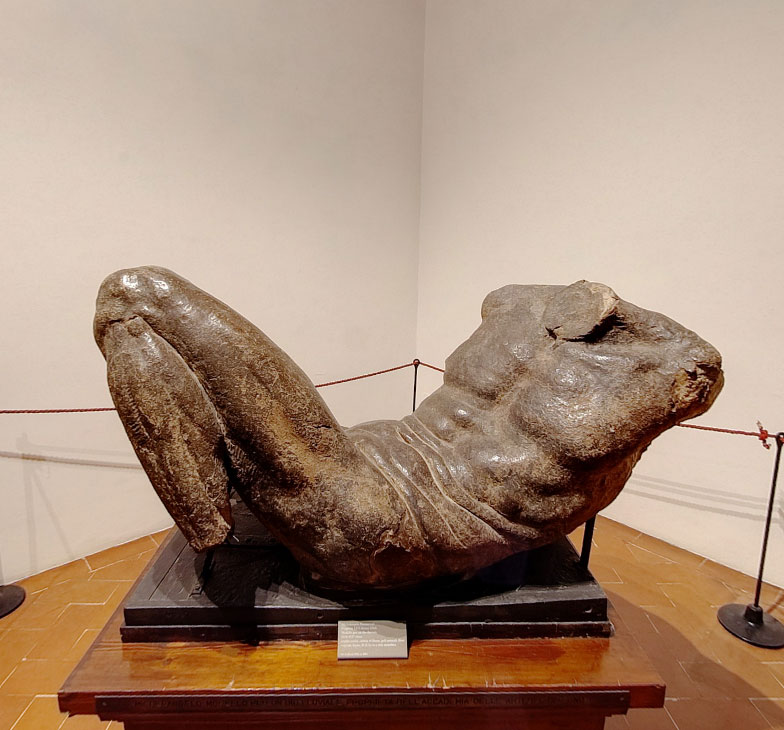
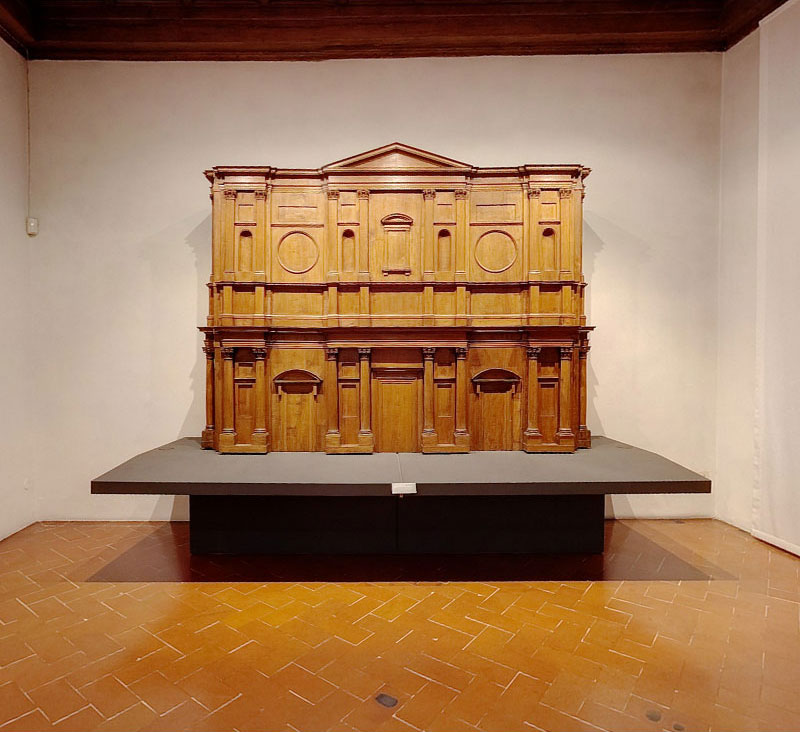
The importance of Casa Buonarroti goes far beyond the celebration of an extraordinary personality like Michelangelo, although it displays many of his works and documents that have increased also thanks to the donations and pieces transferred here from other Florentine museums. The works exhibited in these rooms comprise: The Crucifix of Santo Spirito, which critics tend to attribute to Michelangelo, the two 16th century Noli me tangere based on the lost cartoon, the Wooden model for the façade of San Lorenzo and the River Divinity, which was used to prepare one of the sculptures made for the New Sacristy.
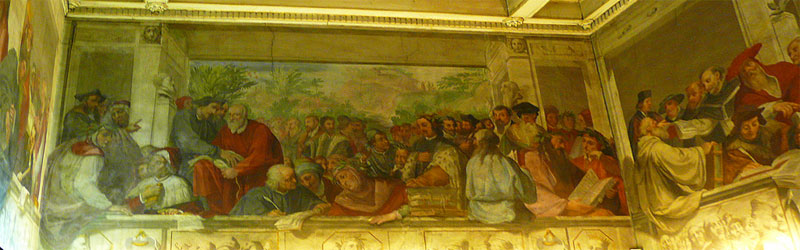
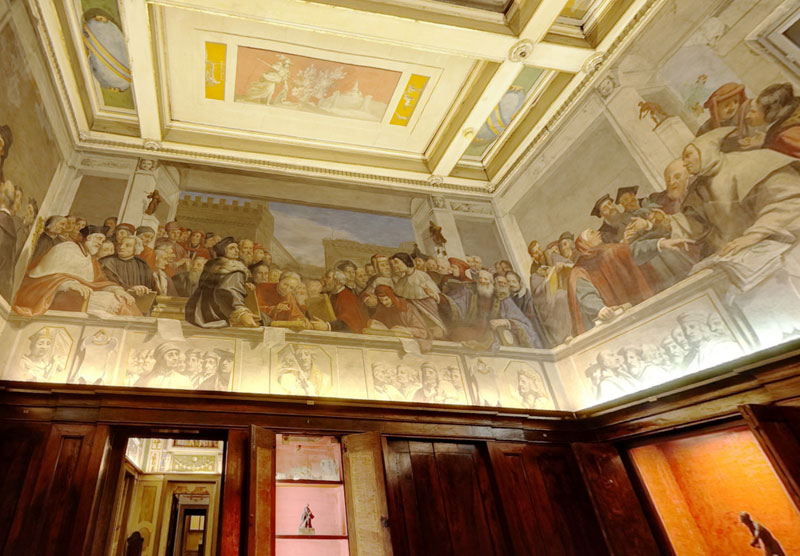
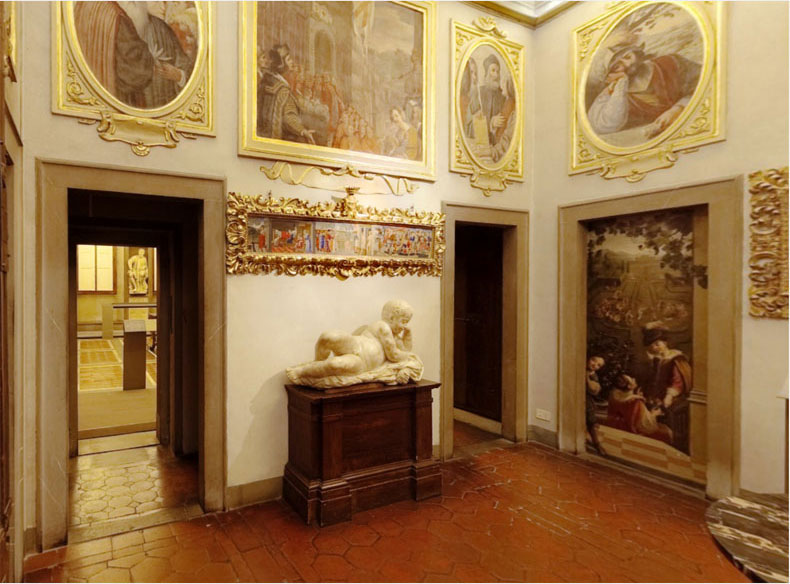
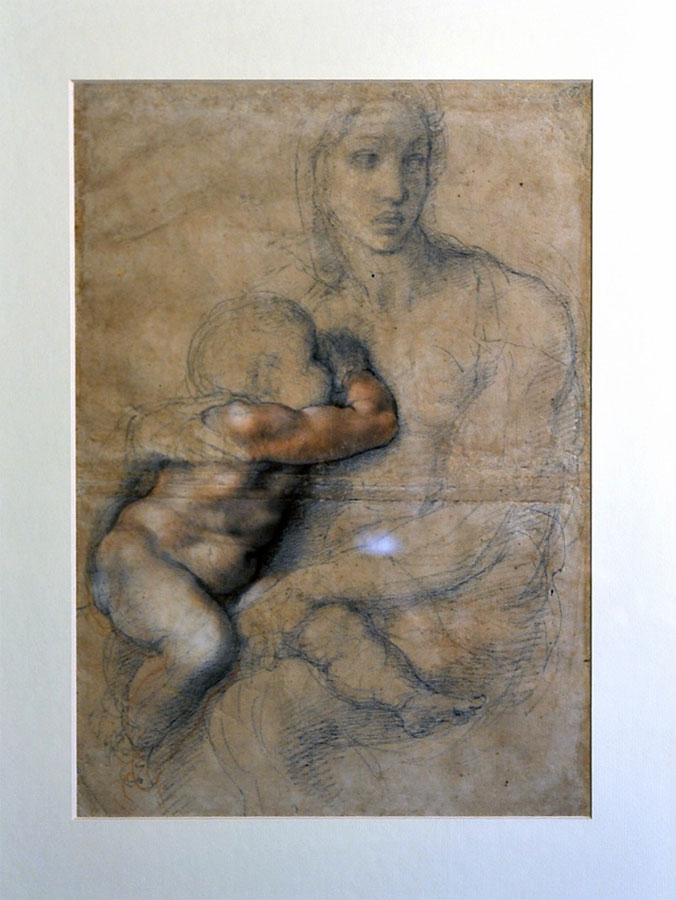
The idea of creating a sumptuous building to celebrate the glory of the family was an initiative of Michelangelo Buonarroti the younger, an extraordinary man of letters and promoter of cultural activities, who employed for the works of the building, of the "Gallery" and of the three subsequent rooms, the most renown artists of Florence such as Empoli, Passignano, Artemisia Gentileschi, Pietro da Cortona, Giovanni da San Giovanni, Francesco Furini and the young Jacopo Vignali. These sumptuous rooms were chosen by Michelangelo the younger to exhibit the most precious objects of his colleciion, including the small cartoon of Michelangelo showing a Madonna with Child and the wooden panel representing some episodes of the Life of St. Nicholas masterpiece by Giovanni di Francesco, a disciple of Domenico Veneziano.
It is also useful to remember that the museum organises every year exhibitions on several aspects of the life and art of Michelangelo and on the cultural and artistic heritage of Casa Buonarroti.
|