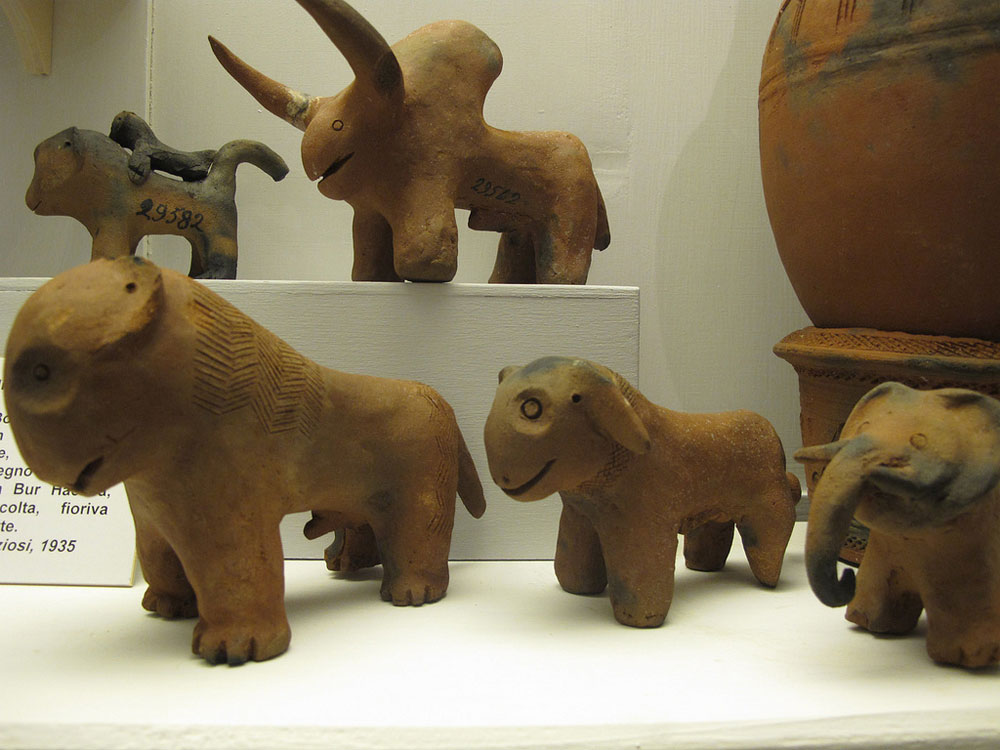
Founded
in 1869 by the physician
and anthropologist Paolo
Mantegazza, this museum,
one of the few in Europe,
is situated in the rooms
of Palazzo Nonfinito begun
in 1593 on the project
of Bernardo Buontalenti.
The
documentation collected mainly during the scientific
missions of the Florentine anthropological school,
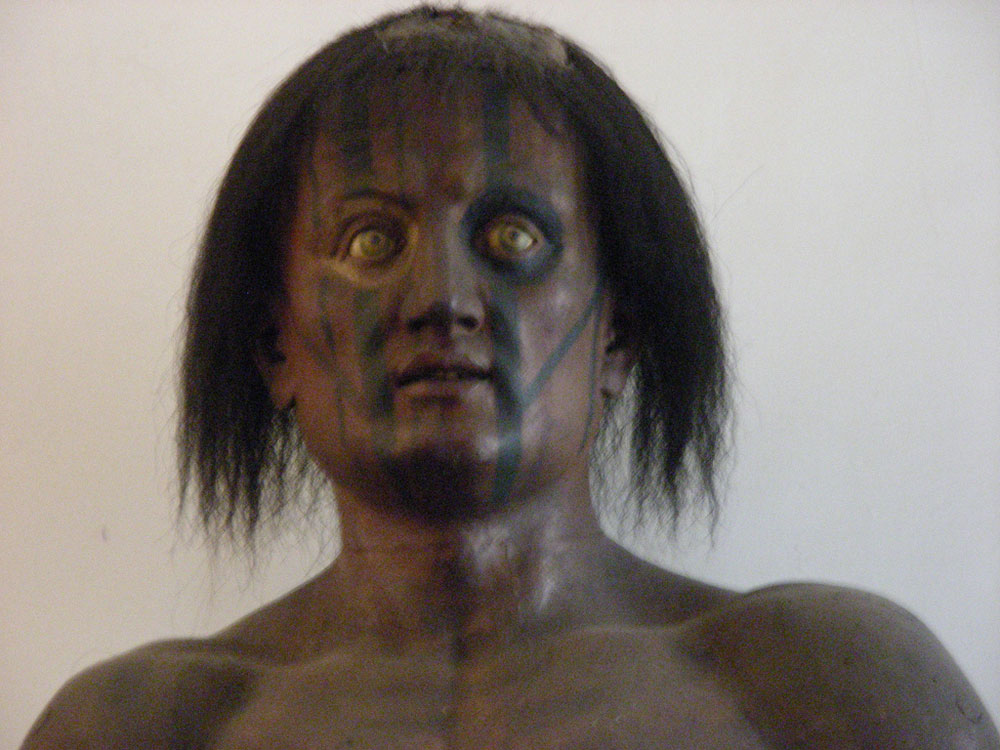
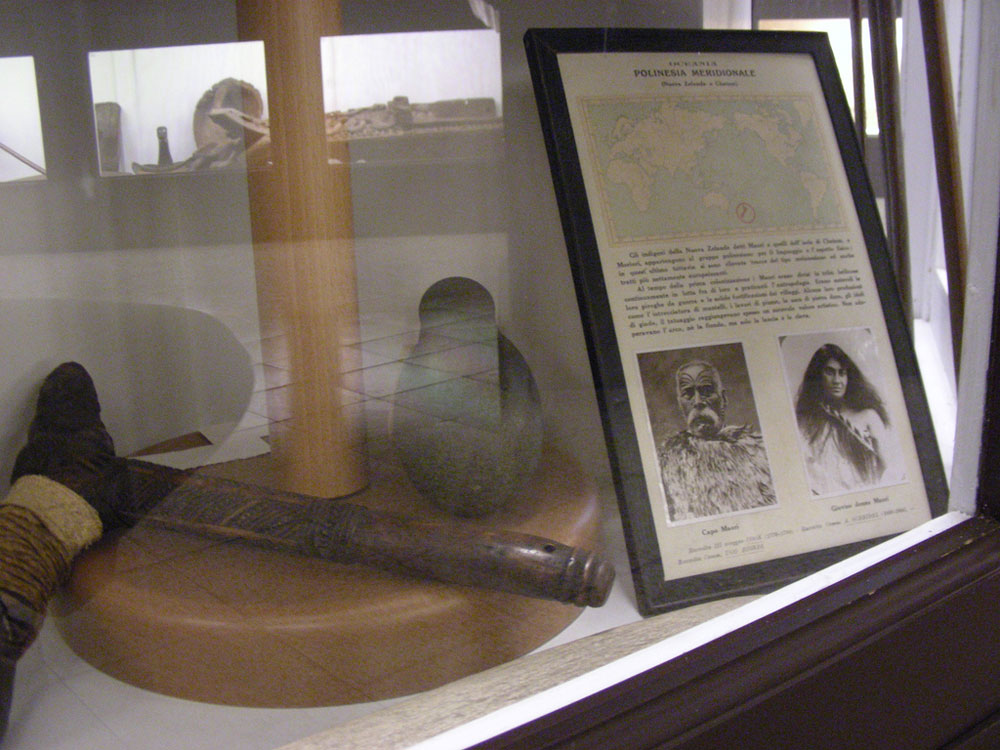
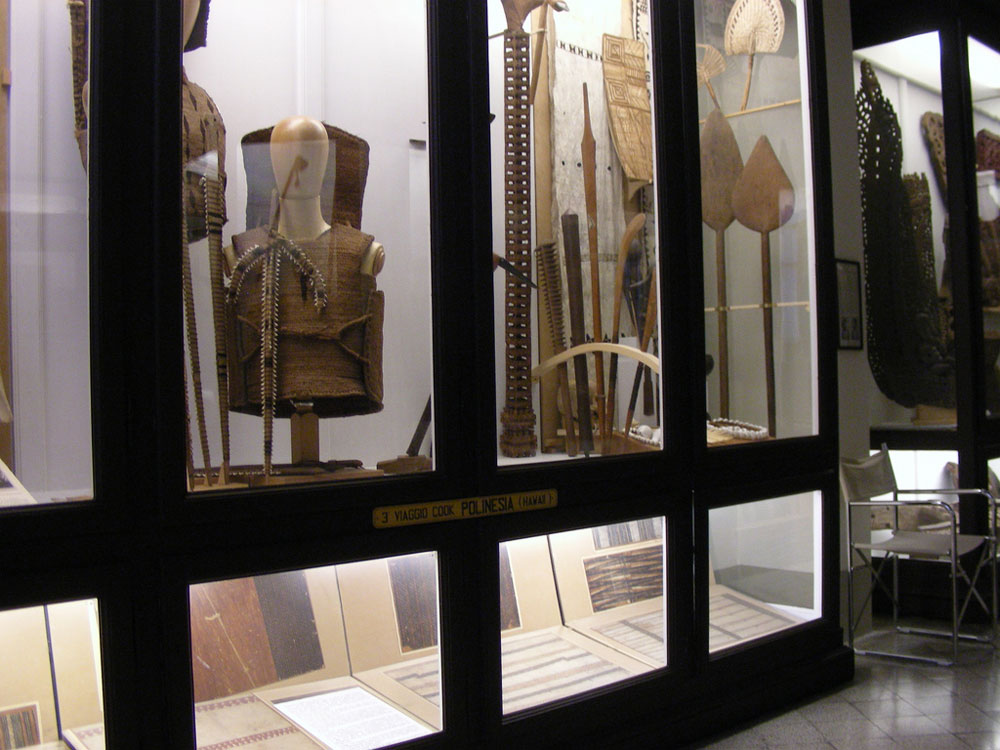
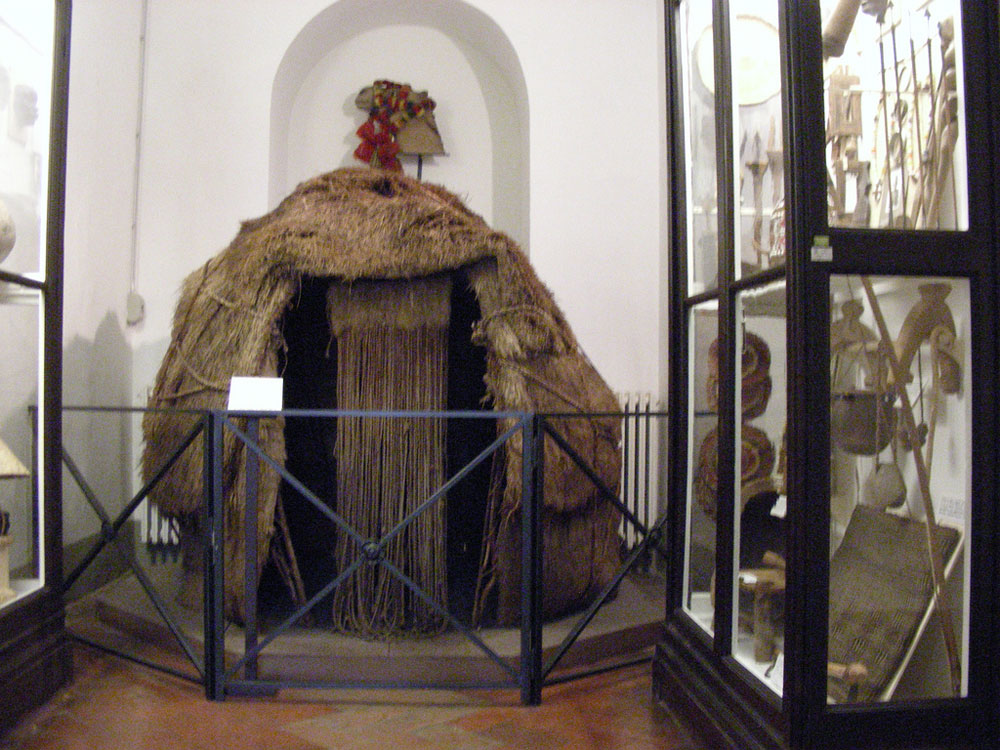
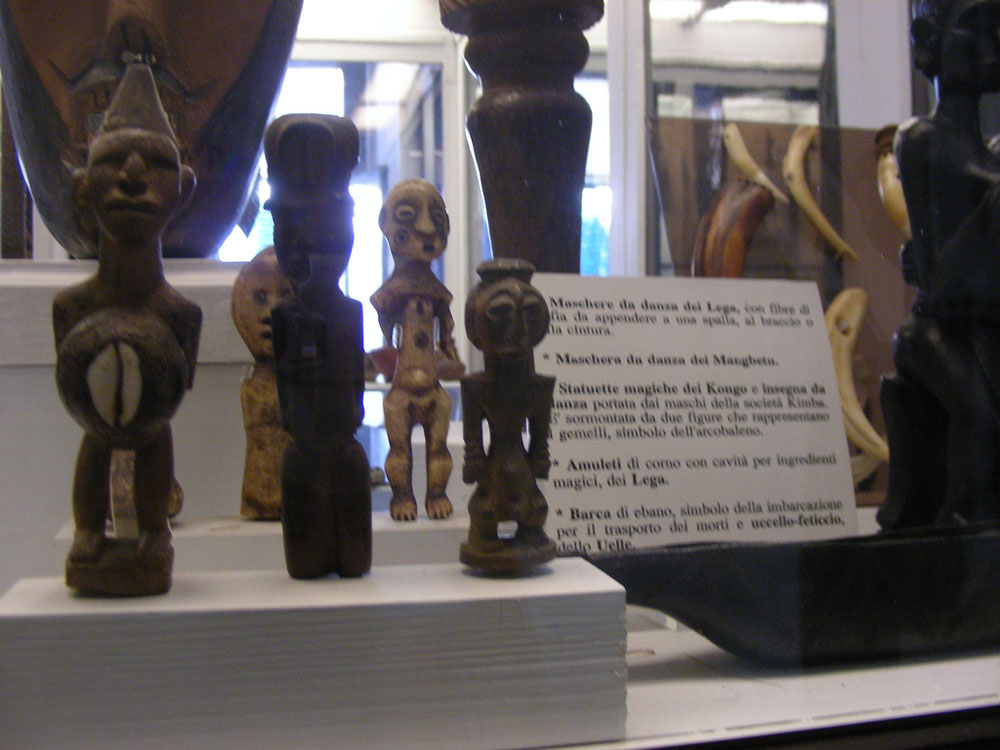
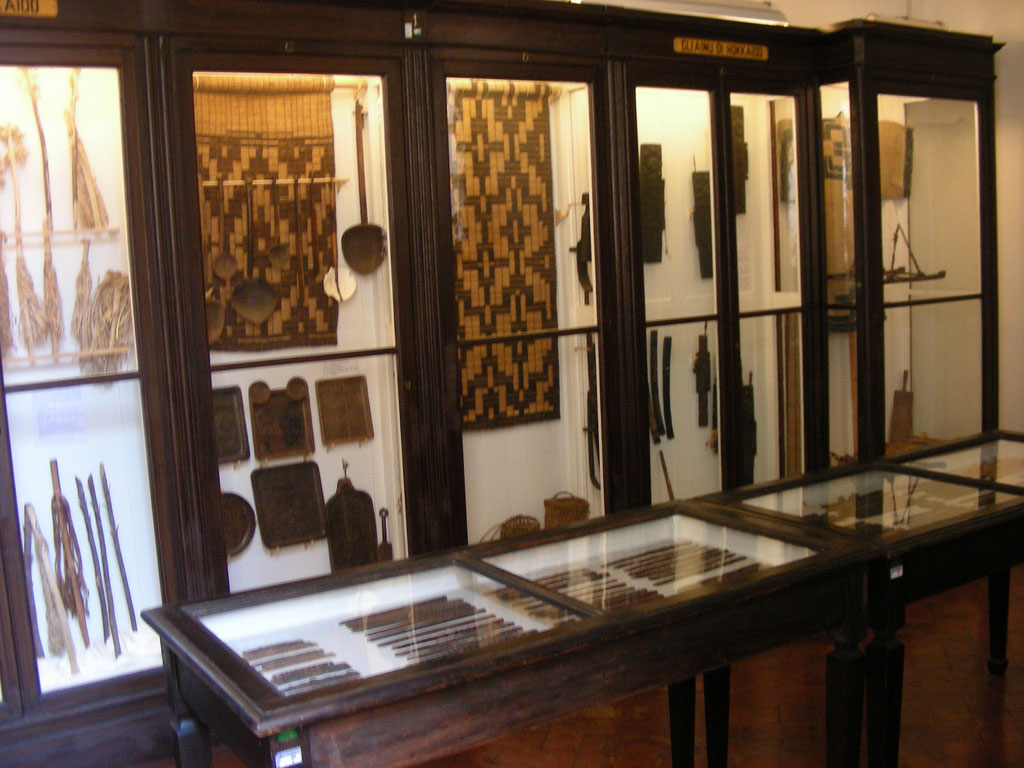
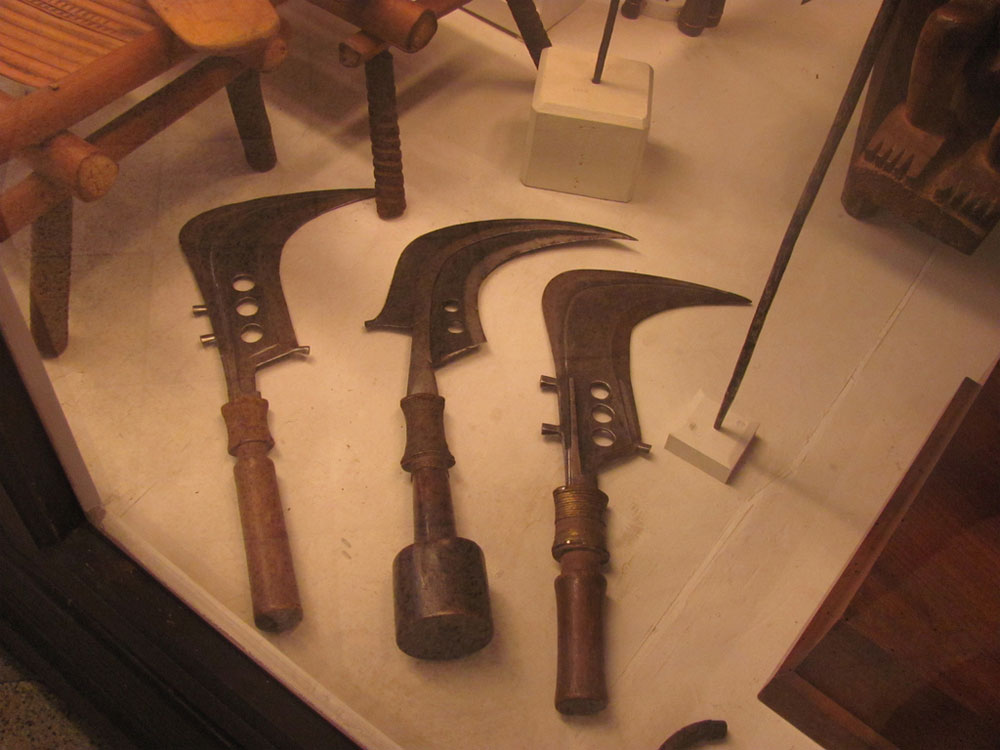
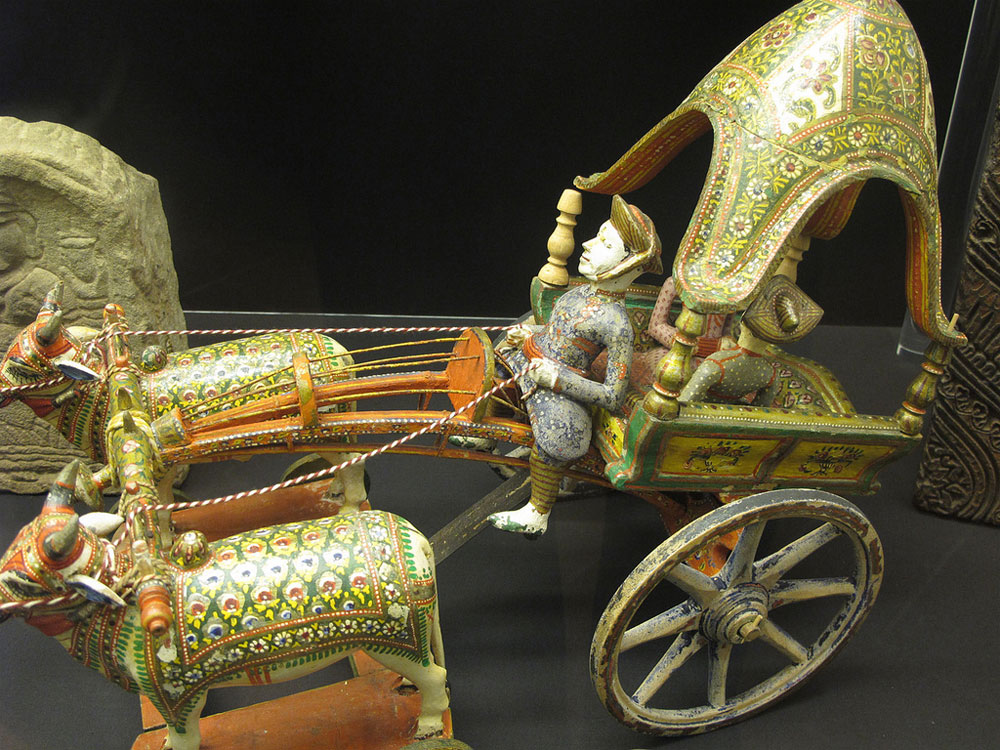
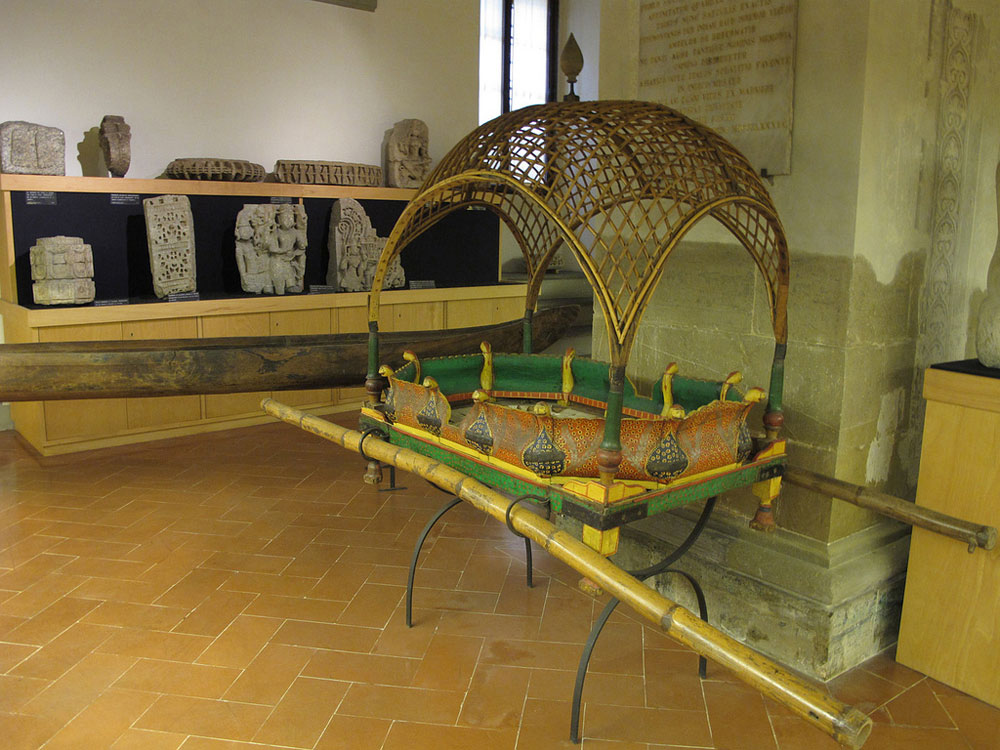
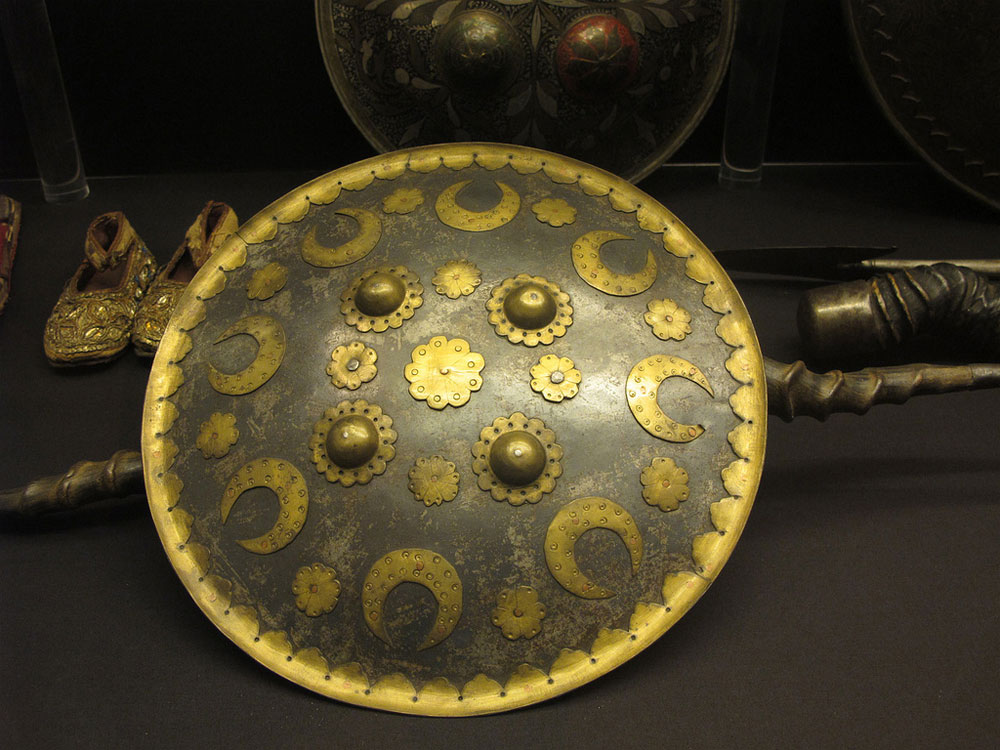
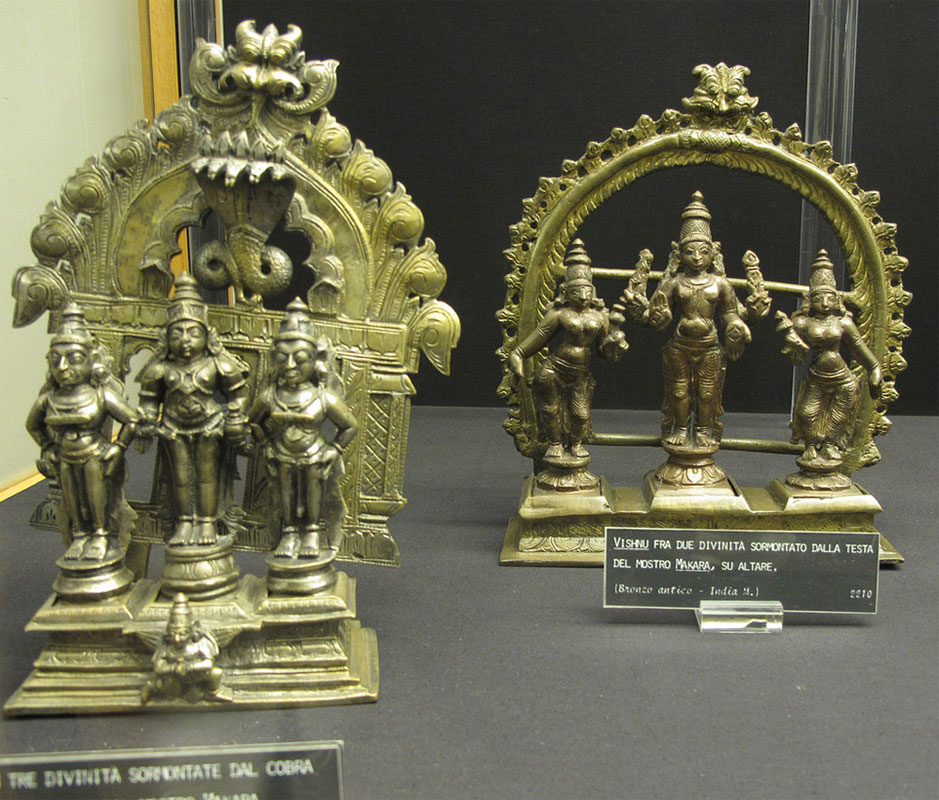
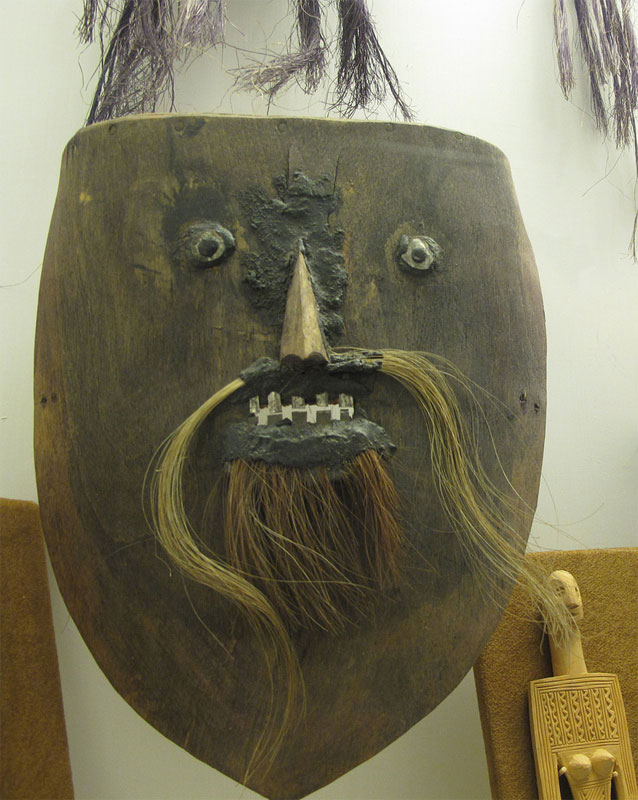
exhibits materials of the original culture - now lost
- of several races from different parts of the world
(harnesses, clothing, weapons, boats and cult objects
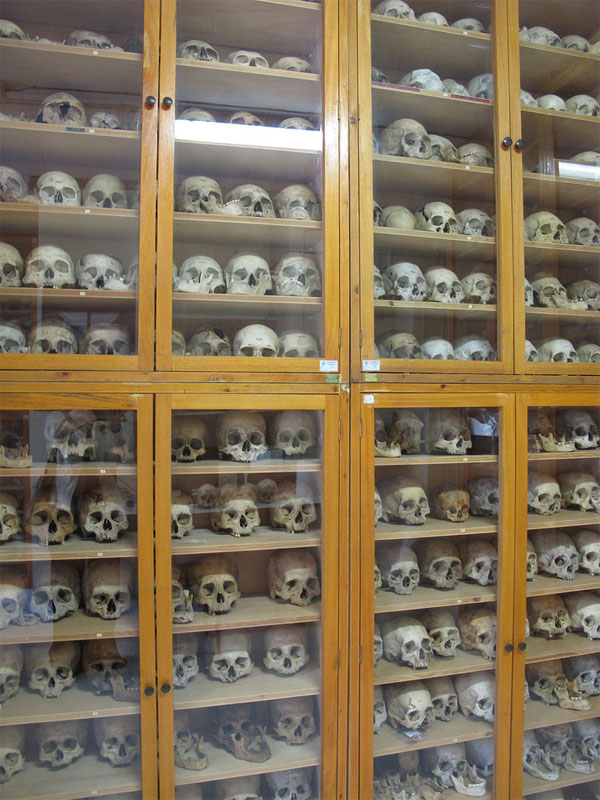
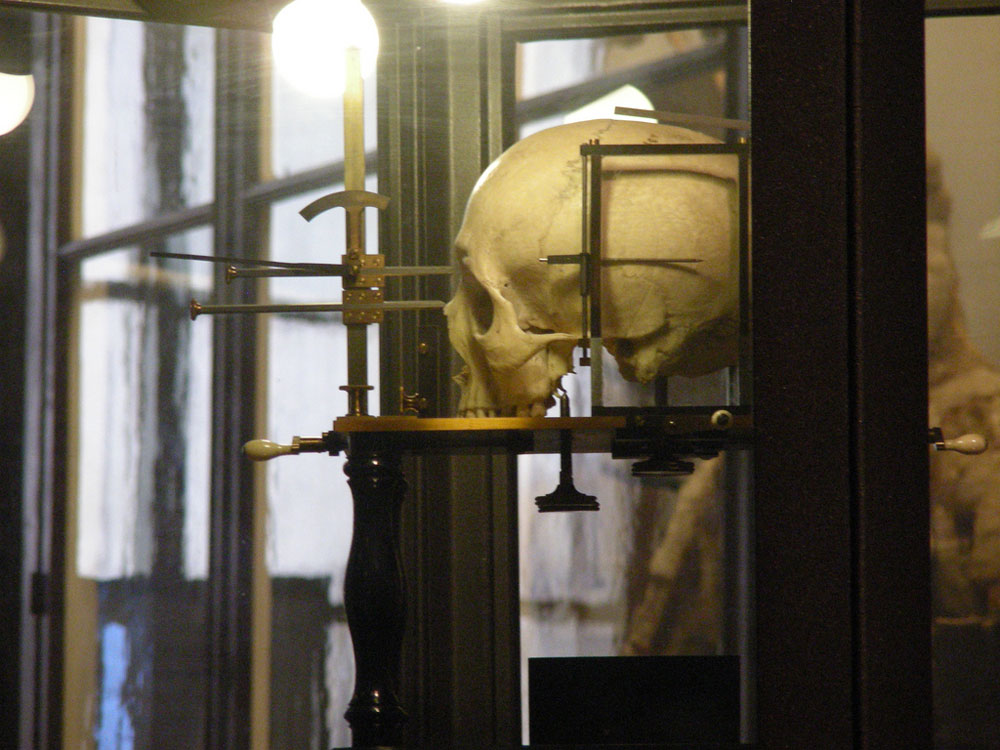
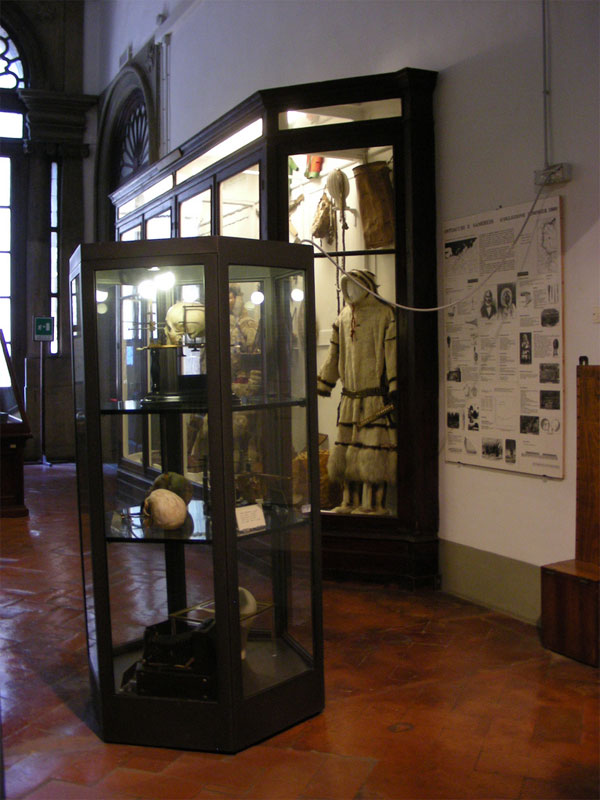
...). In addition to ancient bone collections, extremely
interesting to be able to study the paleoanthropology
of our country, and modern osteologic findings (several
skulls from all Down the world) that offer an extraordinary
survey of the somatic traits of Italian and other
populations from all Down the world.
The
photographic and archive
documents are very important
from the scientific point
of view. They include in
particular chalk masks belonging
to some tribes in Africa,
Asia and the Polynesian Isles.
The
first floor of the museum
is dedicated to the collections
of Africa, Asia, America
and Australia arranged according
to a geographical order;
the ground floor is instead
taken up by the Indian Museum
(founded in 1885 by A. De
Gubernatis, a scholar of
sanscript), joined to the
Museum of Anthropology in
1913, by the collection
dedicated to Tibet, by the
one showing the physical
evolution of man and by
temporary exhibitions.
A
specialised library adjoins
the museum.
|