The
origins of the building
go back to Longobard times,
to the 8th century, when
on this site an oratory
of San Michele in Orto
was erected. It is first
documented in 895, and
was demolished in 1239.
In its place Arnolfo di
Cambia built, around 1290,
a loggia for the sale of
grain. From a place of
commerce it soon became
a place of devotion, and
miracles were attributed
to an image of the Virgin
painted on a pillar.
In
1304 a fire severely damaged
the loggia. In 1337 the
Silk Guild commissioned
a new loggia, finished
in 1349, from the architects
Neri di Fioravante, Benci
di Cione and Francesco
Talenti.
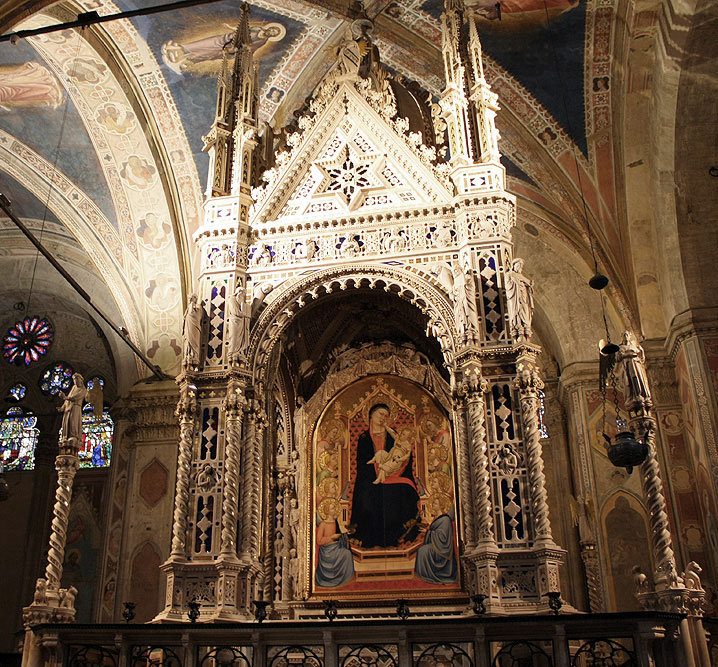
Meanwhile the image of the
Virgin had faded and was
replaced by Bernardo Daddi’s
Madonna and Child (1346),
known as the Madonna delle
Grazie, still in situs, before
which public and private
oaths were sworn.
Devotion towards the image
increased, especially after
some miraculous cures during
the terrible plague of 1348.
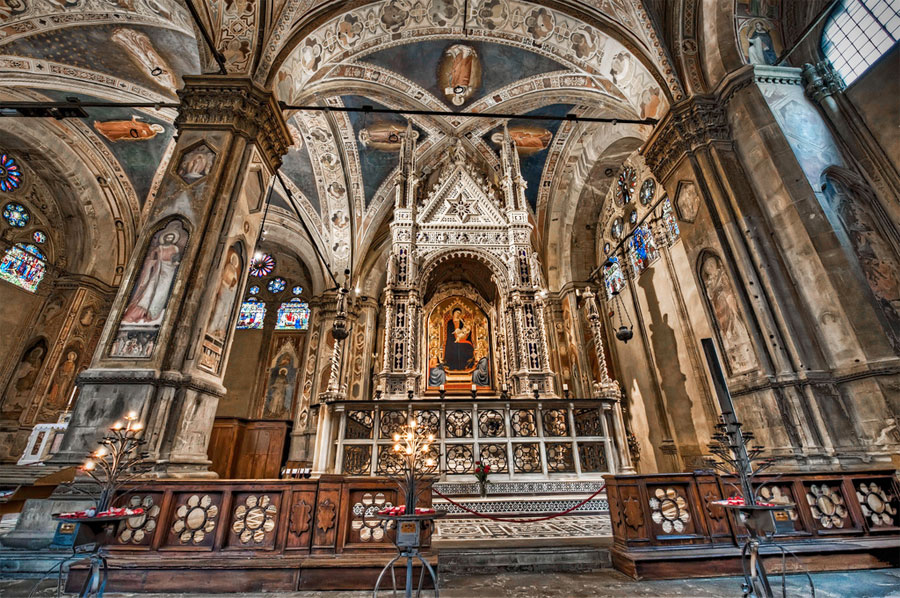
Probably conceived as an
ex-voto, the monumental marble
altar with Virtues and scenes
from the life of the Virgin
in relief, was commissioned
a year after the plague from
Andrea di Cione, known as
Orcagna, but not finished
until 1359: a frame worthy
of the Madonna delle Grazie.
By now the loggia could no
longer be regarded as a suitable
place for a market, which
was moved elsewhere at least
by 1357.
In 1380 the building, which
had always fulfilled both
a civic and a religious function,
had two upper storeys added
onto it so that it could
be used as a granary. Chutes
for the wheat are still to
be seen inside the piers.
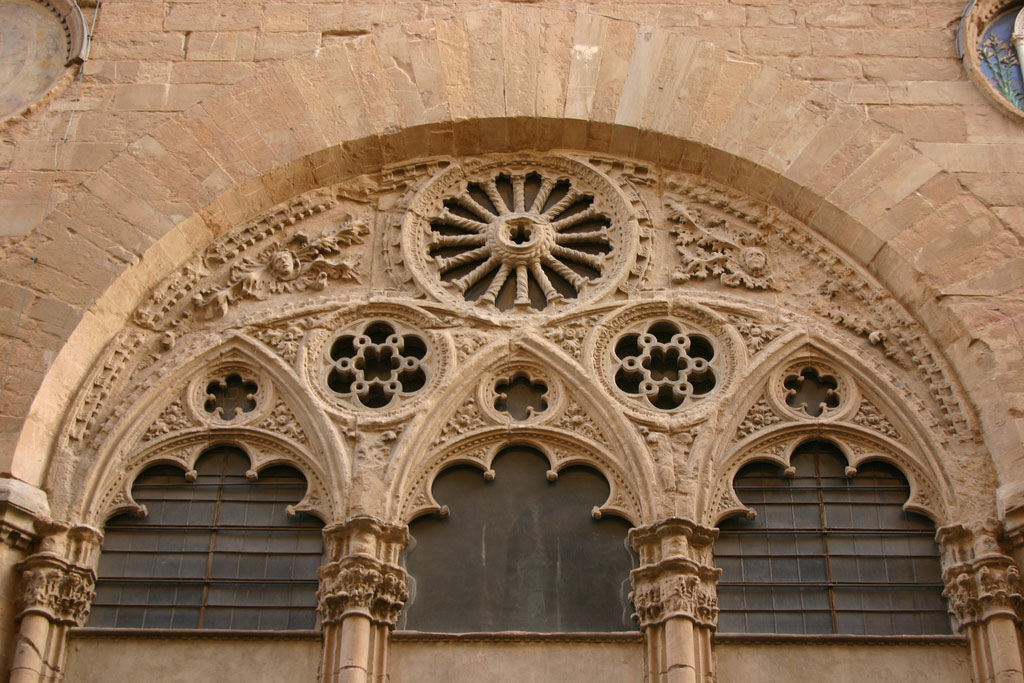
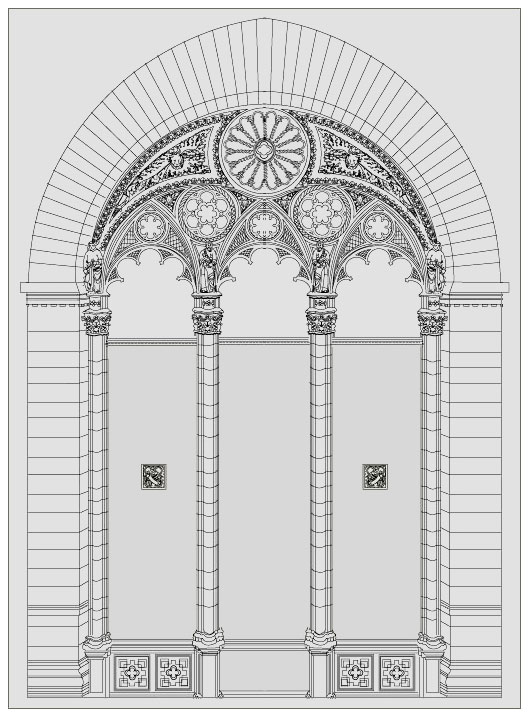
The loggia was closed in,
to a design by Simone di
Francesco Talenti involving
elegant mullioned windows
in the late gothic style,
and stained glass by Niccolò di
Pietro Gerini showing Scenes
and miracles of the Virgin
(1395-1405).
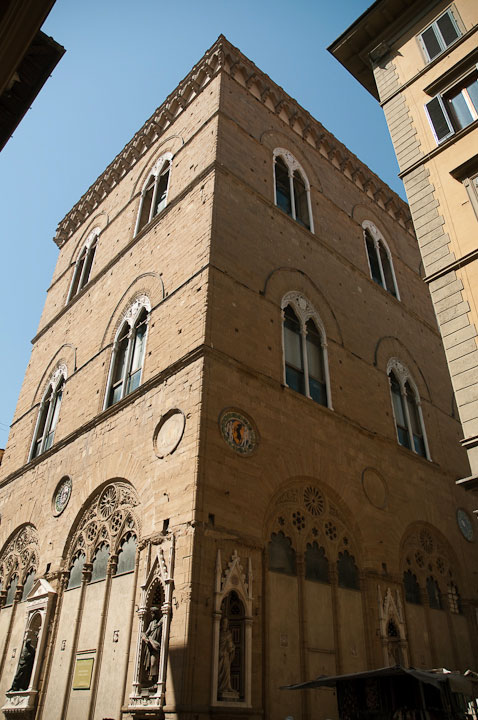
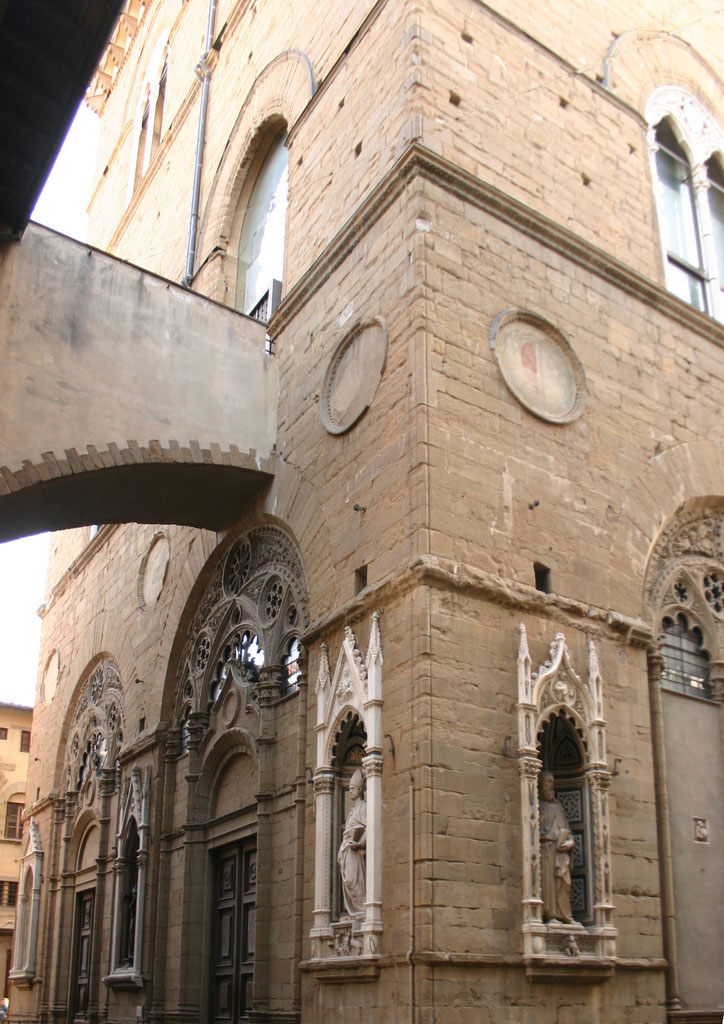
Orsanmichele was completed
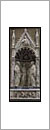
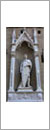
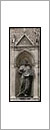
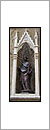
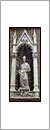
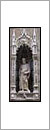
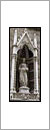
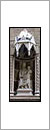
in 1404. The tabernacles
around the outside were assigned
to the ‘Arti Maggiori’ or
principal guilds (the Cloth-Merchants
or Calimala, the Judges and
Notaries, the Bankers, the
Woolworkers, the Furriers,
the Physicians and Apothecaries,
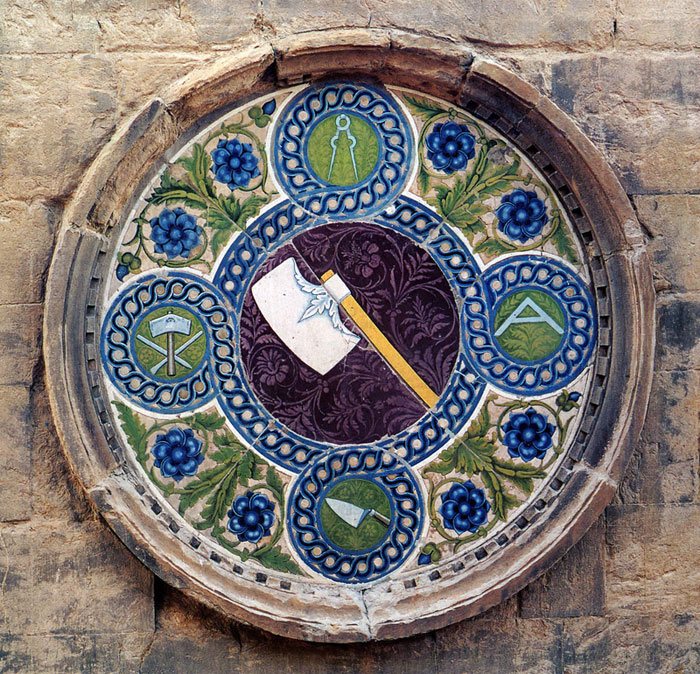
the Silkworkers), to the ‘Mediane’ or
medium guilds (the Butchers,
the Cobblers, the Stonemasons
and Woodworkers, the Blacksmiths,
the Linenworkers and Ragmen),
and to the guild of the Armourers
and Swordmakers. The most
important tabernacle, in
the centre of the façade
facing Via de’ Calzaioli,
was assigned first to the
Parte Guelfa and then to
the Tribunal of the Mercatanzia.
All these institutions commissioned
sculptures of their patron
saints for their tabernacles,
from the foremost Florentine
artists of the 15th (Nanni
di Banco, Ghiberti, Donatello)
and 16th century (Giambologna).
The patron saints of the
individual guilds, massed
together on the four sides
of the building, thus became
the patron saints of the
church of Orsanmichele itself.
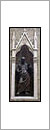
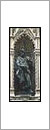
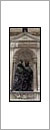
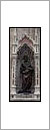
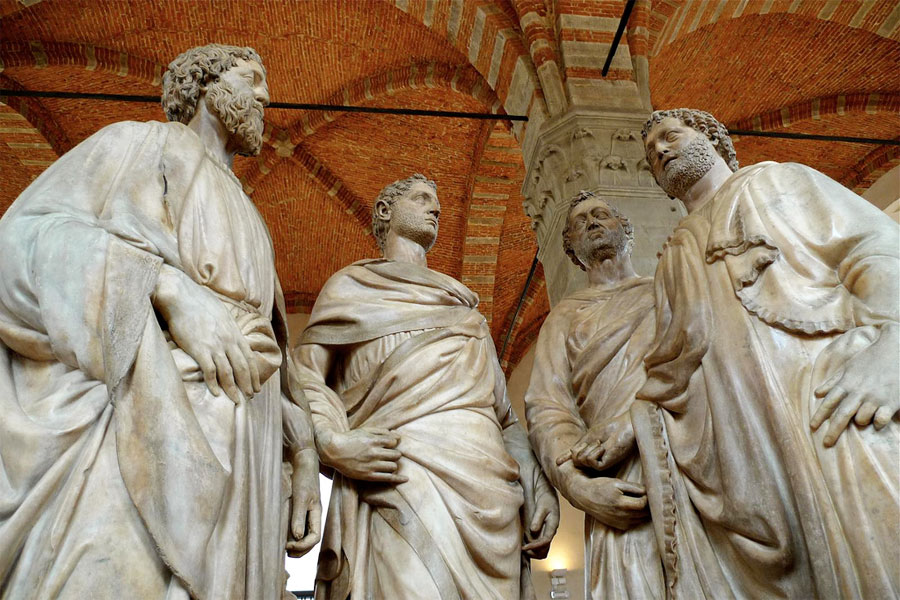
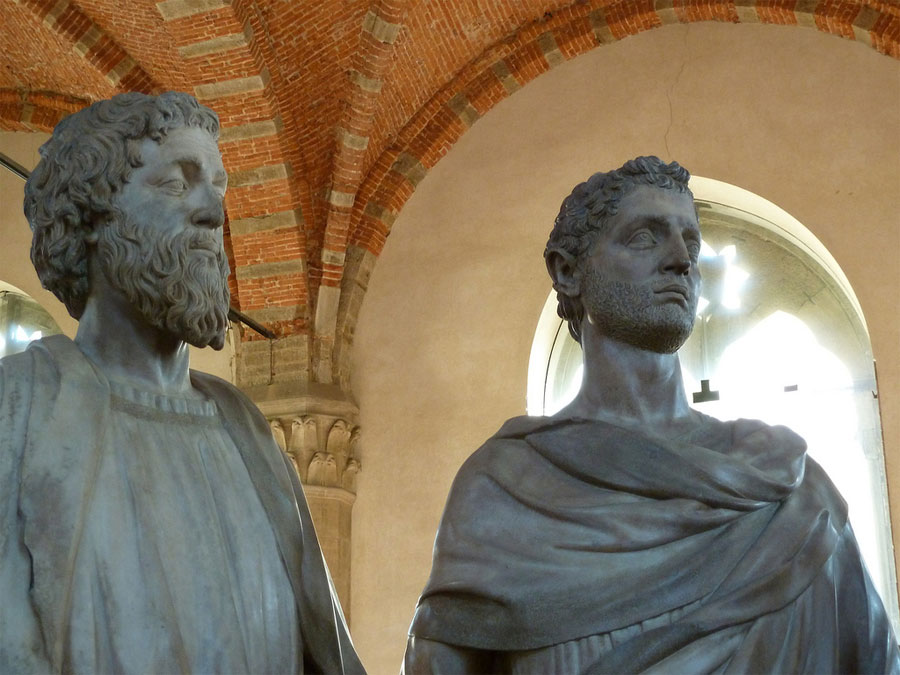
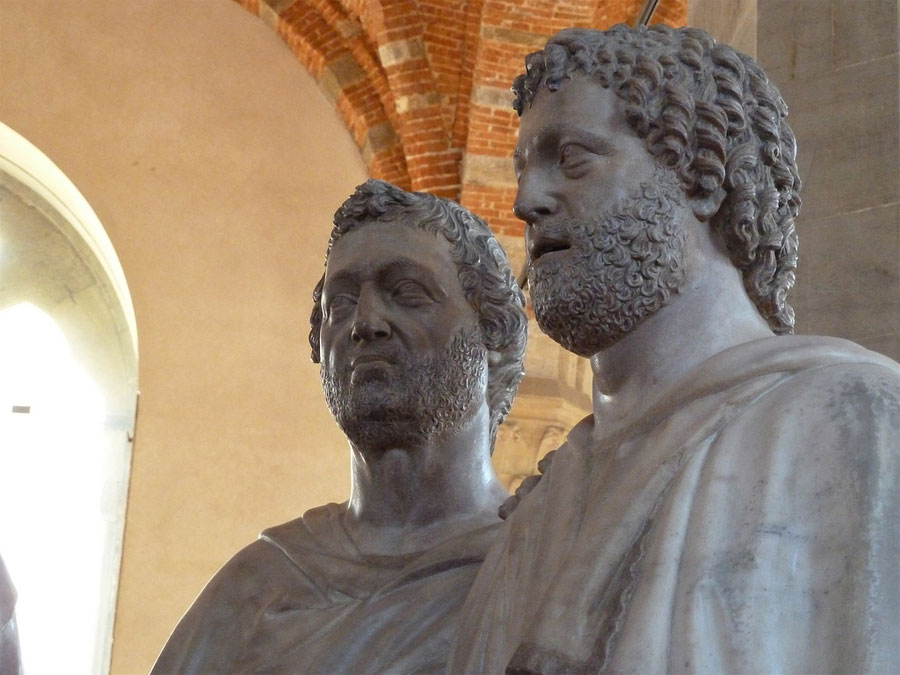
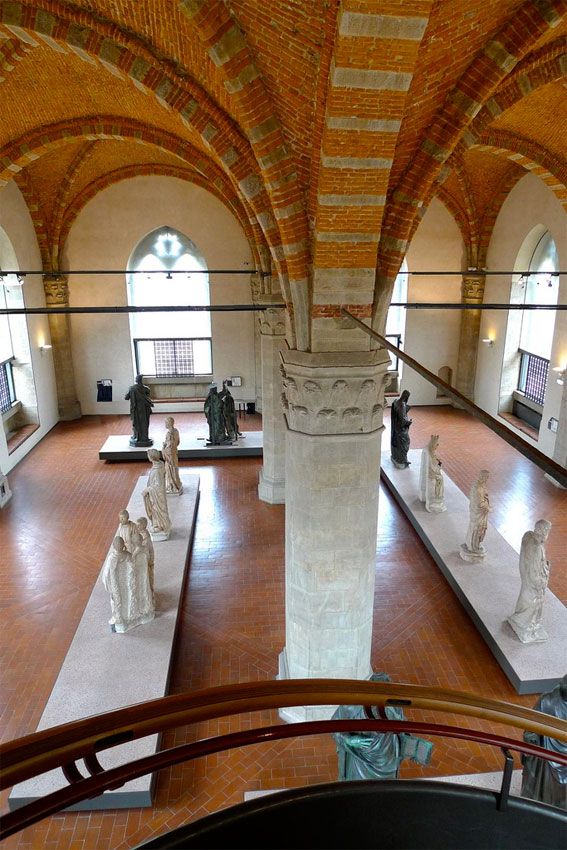
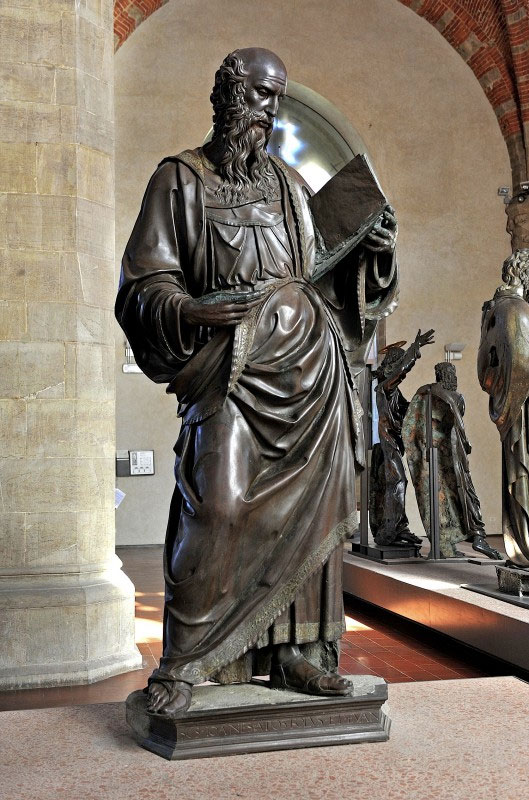
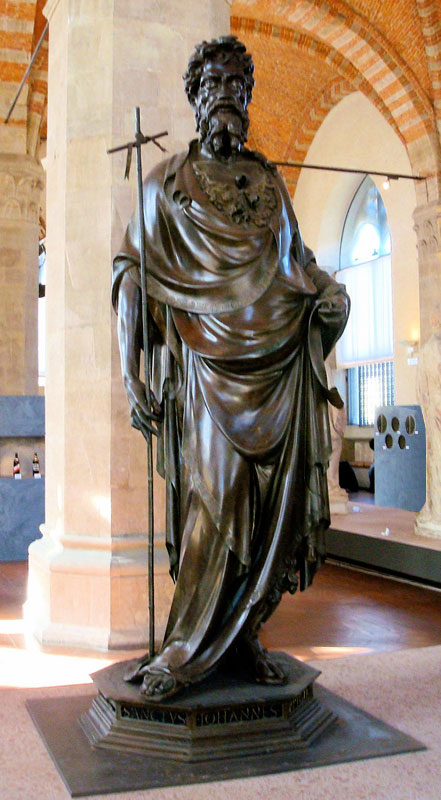
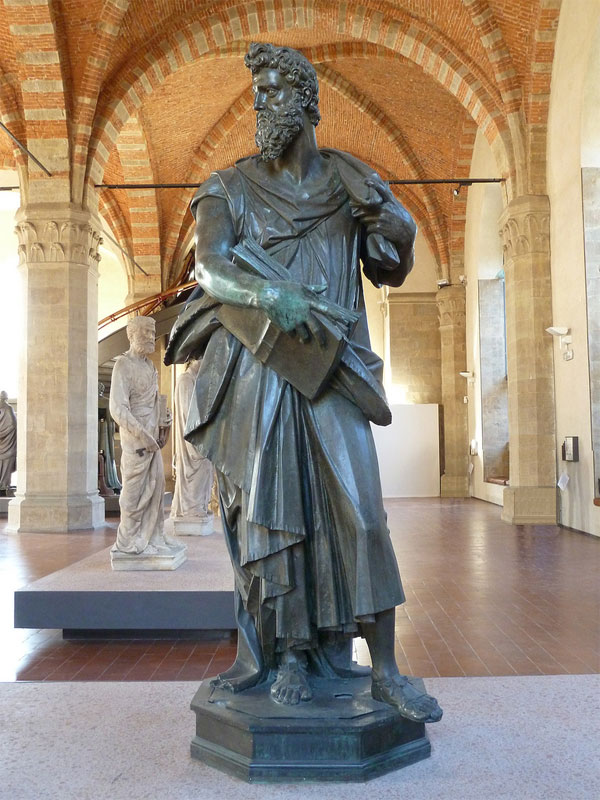
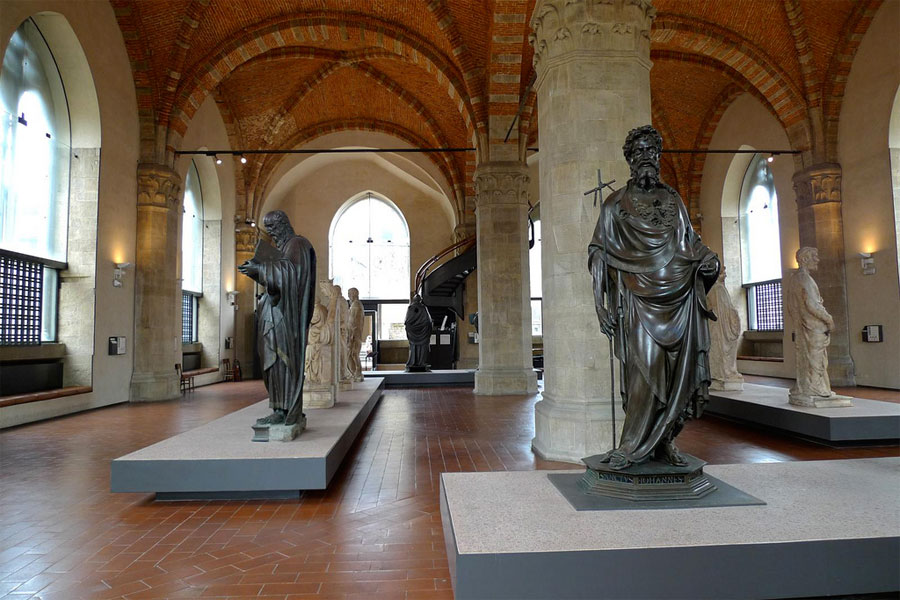
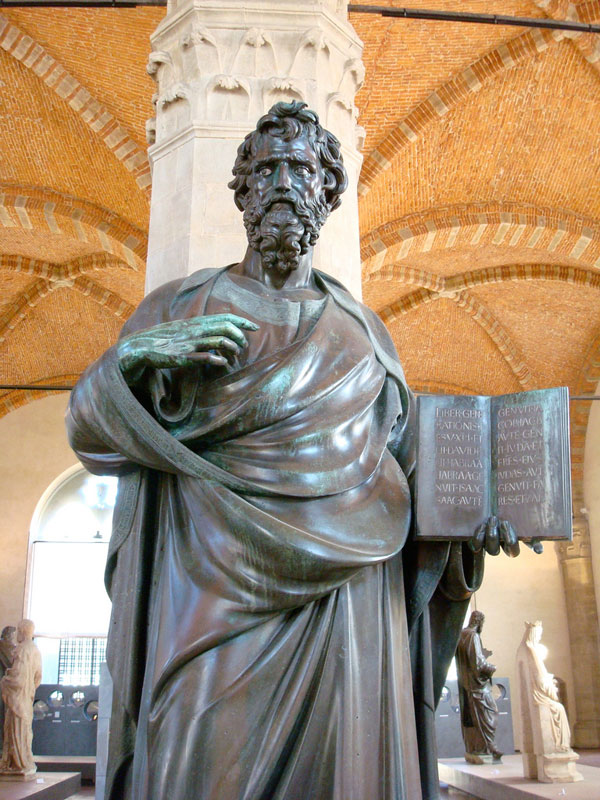
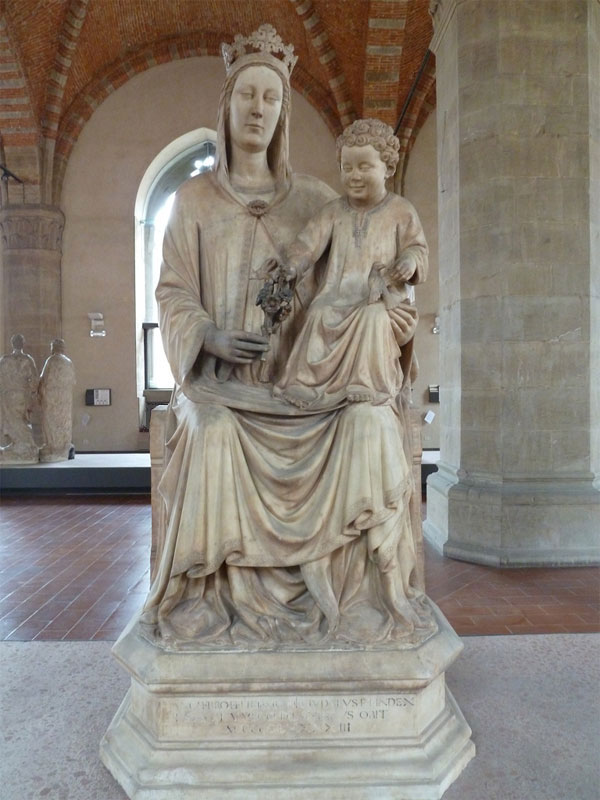
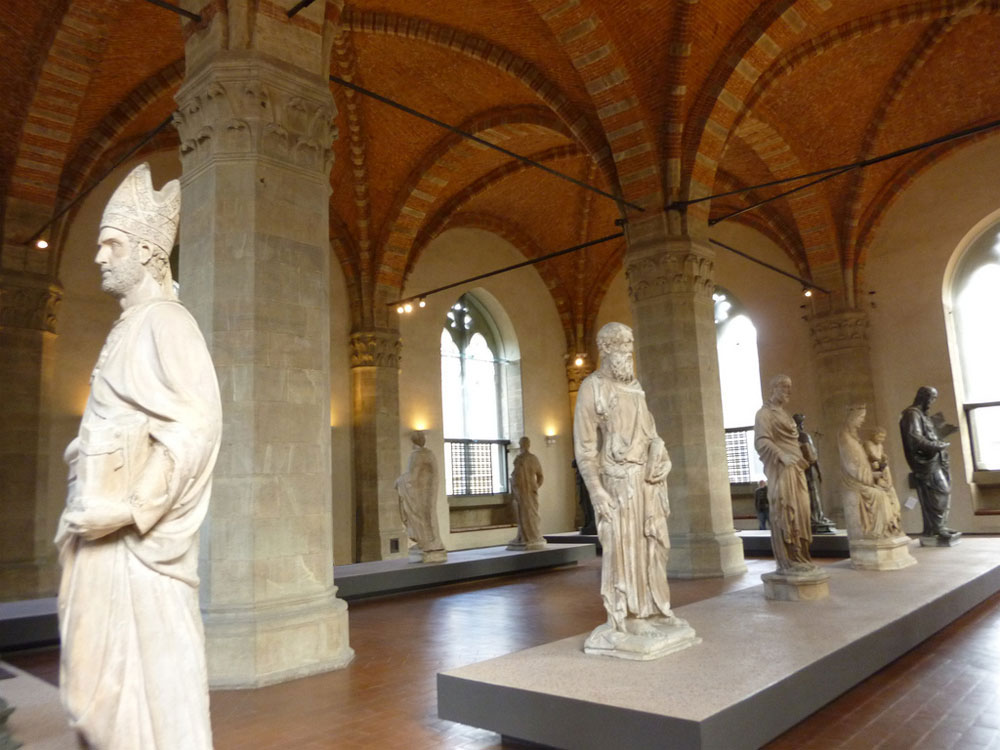
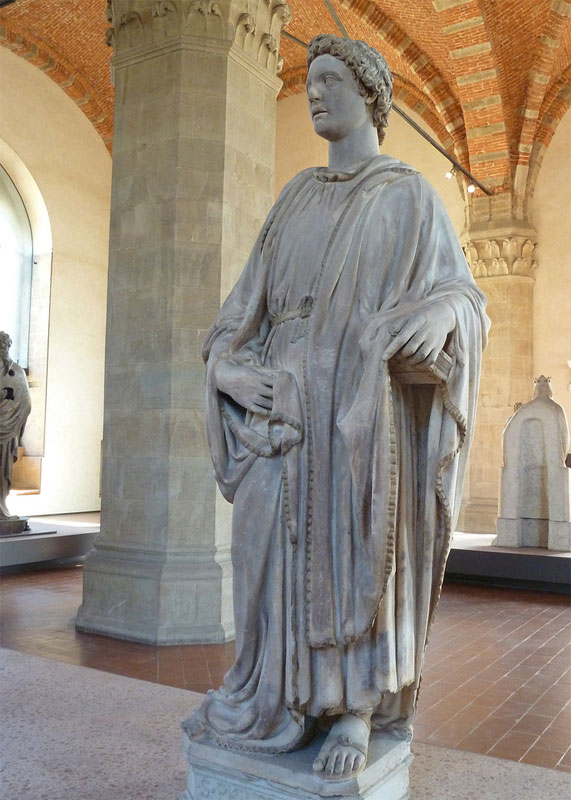
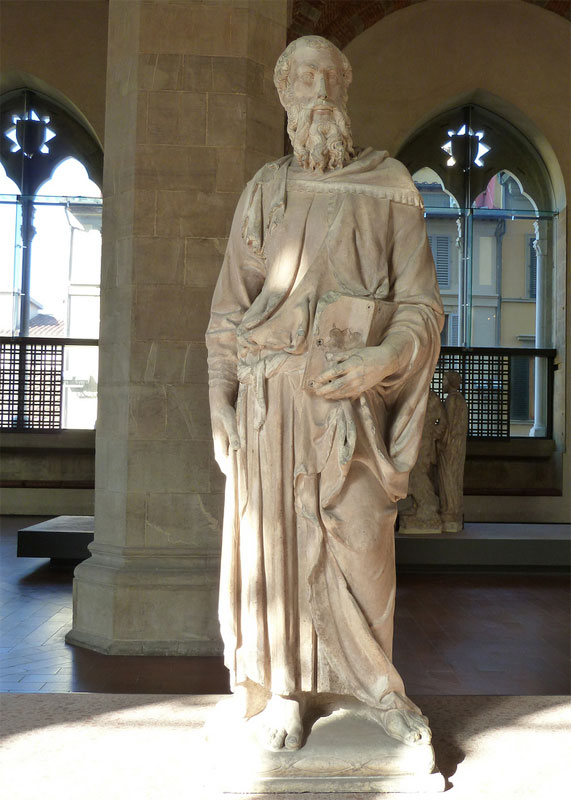
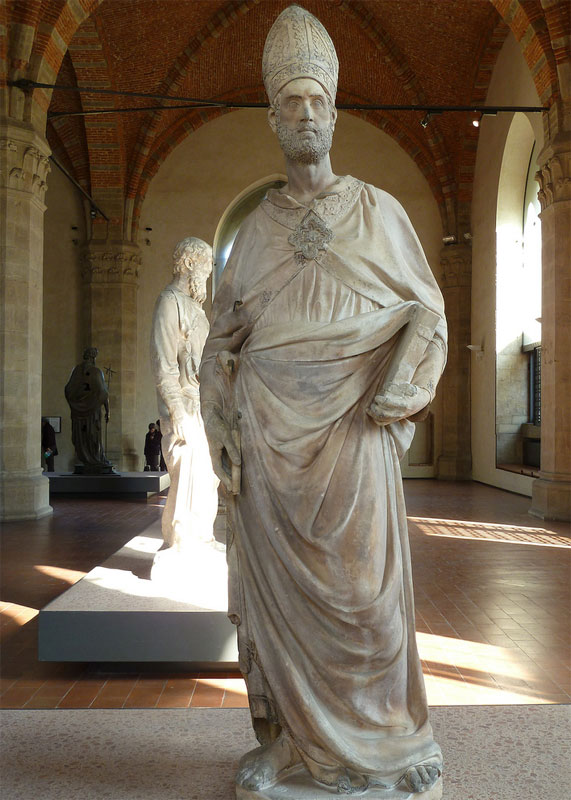
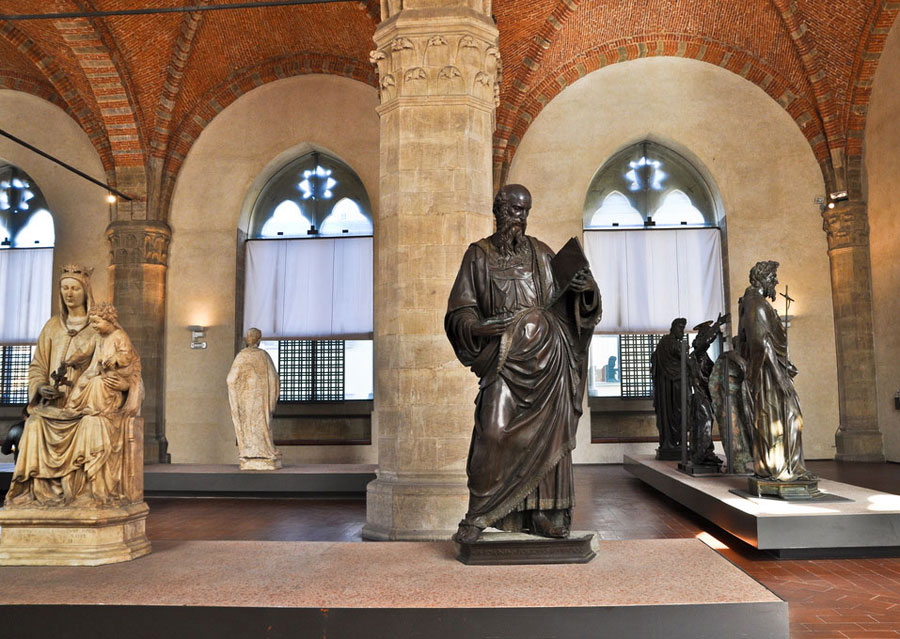
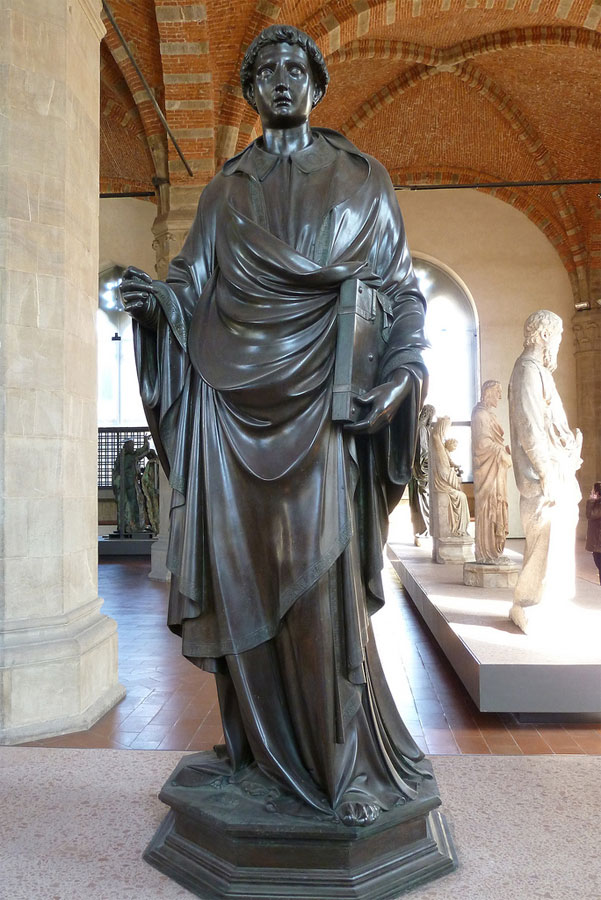
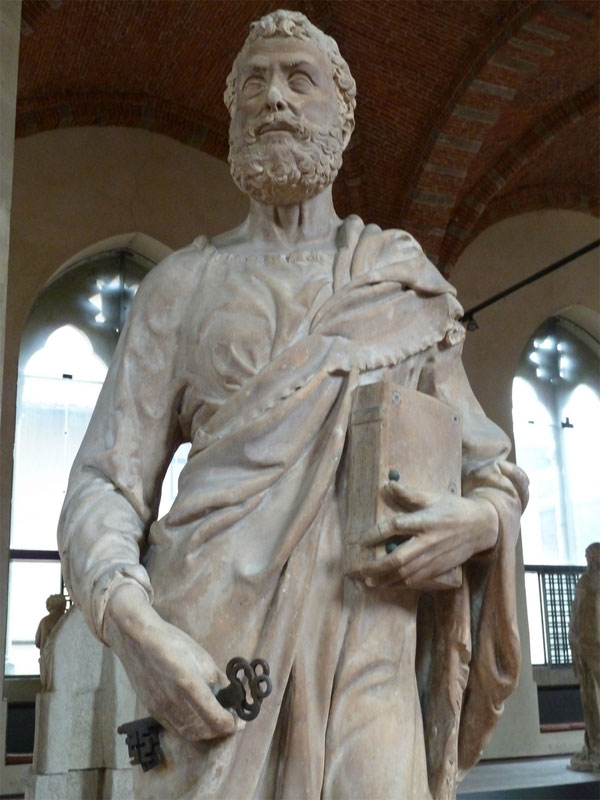
The
statues are currently being
restored one by one and moved
to the upper floor of the
former granary, now the Museum
of Orsanmichele (reached
by the bridge from the adjacent
Palazzo dell’Arte della
Lana), their places in the
niches being filled by copies.
However, Donatello’s
St. George (1417) from the
Armourers’ and Swordmakers’ tabernacle
was moved to the Bargello
in 1892 and replaced by a
bronze copy Today replaced
again with a copy in marble,
while his St. Louis of Toulouse
(1433) is now in the Museum
of Santa Croce. When its
tabernacle passed to the
Tribunal of the Mercantanzia,
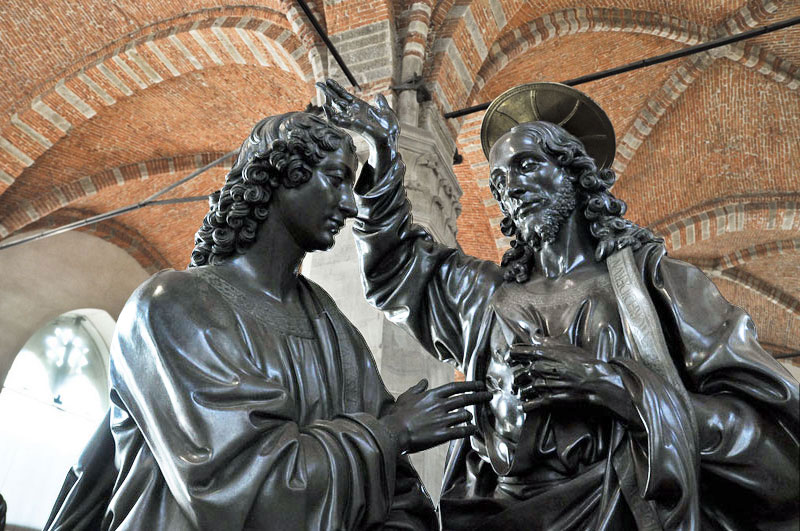
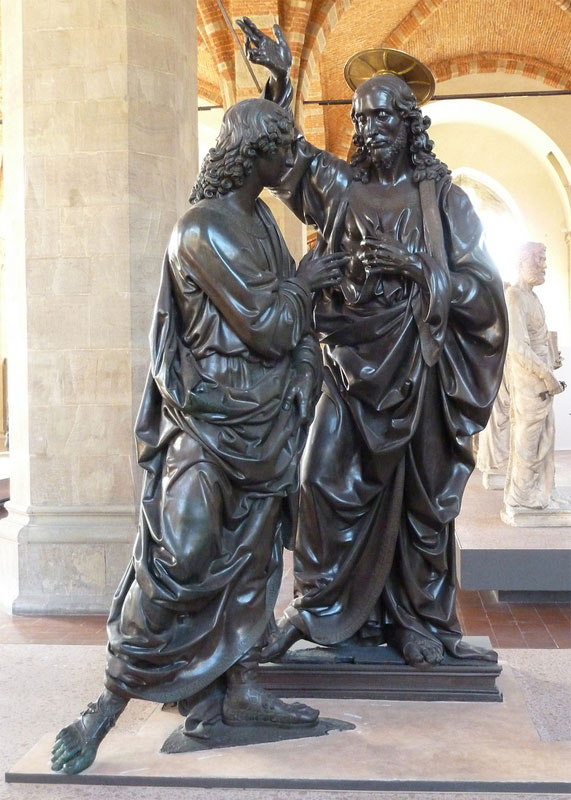
the St. Louis was replaced
by Verrocchio’s masterpiece,
the group of the Incredulity
of St. Thomas (1467-83).
Those guilds which did not
have the priveledge of an
external tabernacle had to
make do with one inside the
building, with their patron
saint depicted in fresco
or on panel.
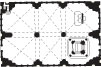
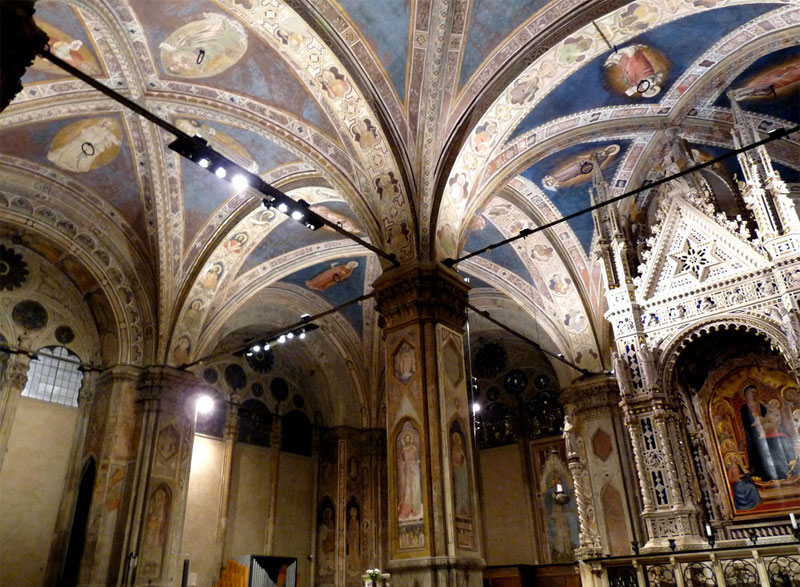
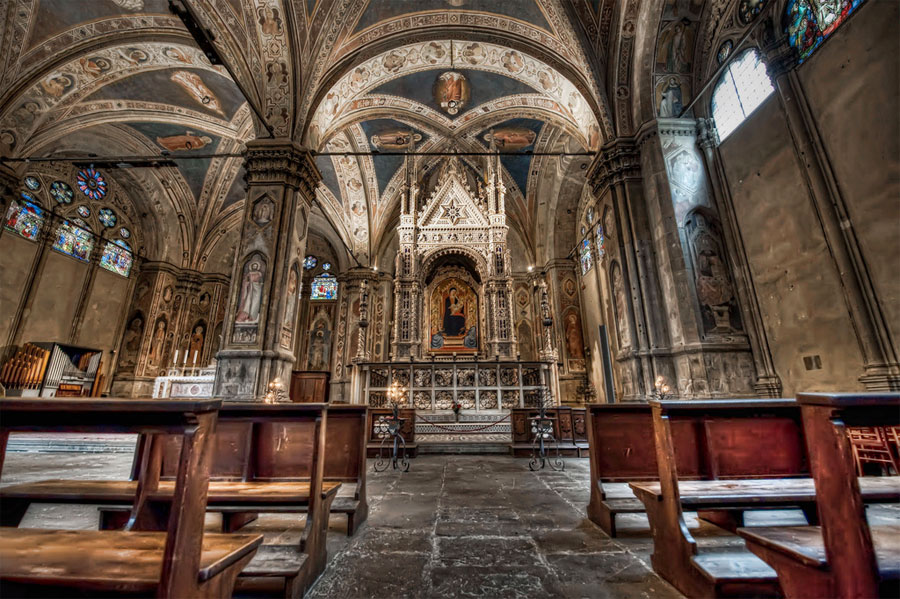
The
interior of Orsanmichele
preserves its late gothic
appearance almost intact:
its square layout and the
positioning of the piers
recall the arrangement of
the original open loggia.
This explains the unusual
position of the Madonna delle
Grazie altar, not in the
centre but to the right.
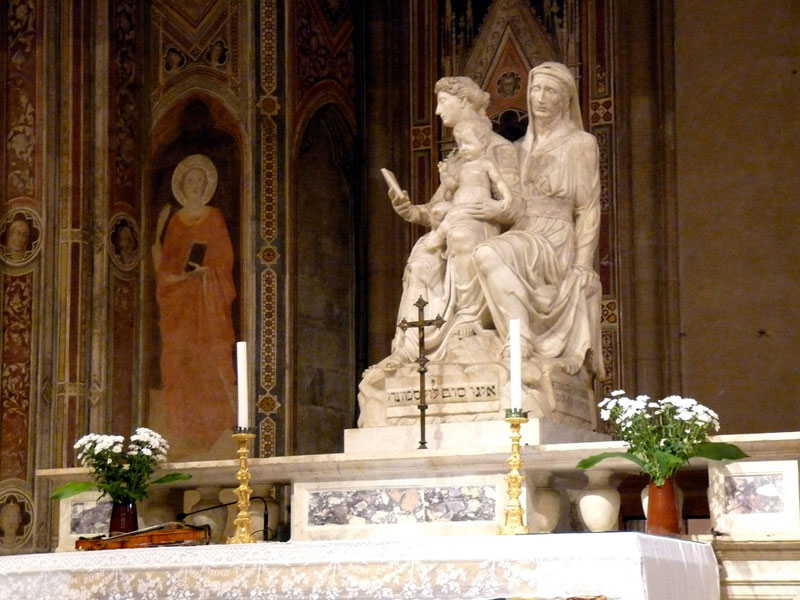
To the left of the nave is
the votive altar of St. Anne,
built by order of the Signoria
in 1379, with a marble group
of St. Anne, the Virgin and
Child by Francesco da Sangallo
(c. 1526).
The museum has yet to be completed. The statues that are still located on the outside of the building are still waiting to be restored and replaced with copies, like the others already displayed inside the museum.
|