It
is the most important museum in its kind in
Italy and includes about 300,000 examples of
animal and vegetable fossils, fossil imprints
and rock specimens. The initial paleonthologic
and geological collections started to be put
together by the Medici Grand Dukes and were
further increased by the Lorraine family. They
were moved to the present day location only
in 1925.
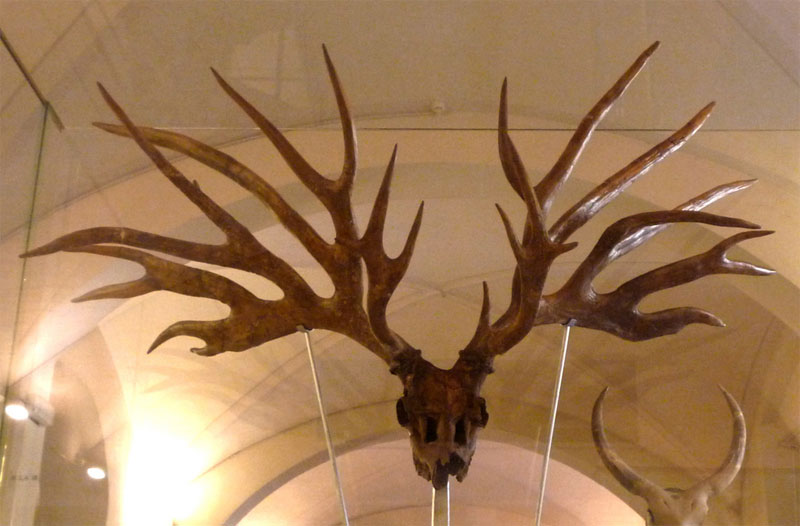
Enriched by donations and recent discoveries,
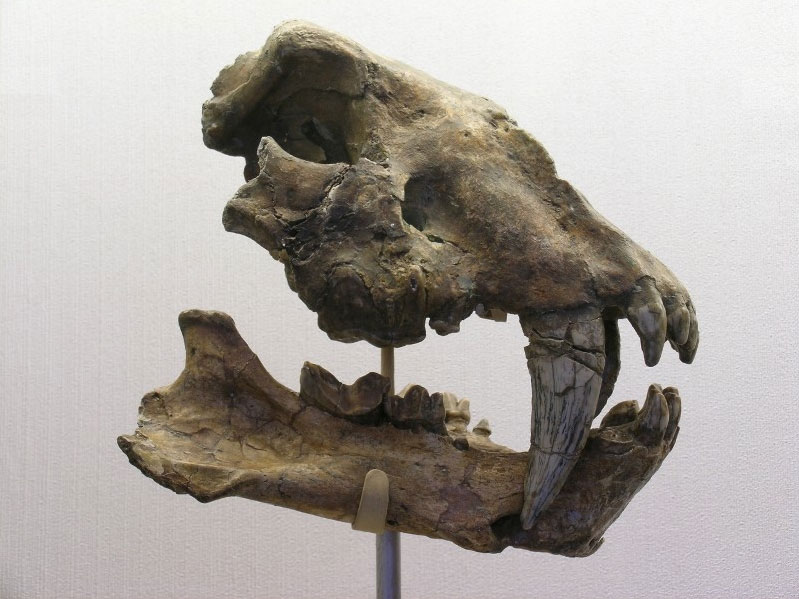
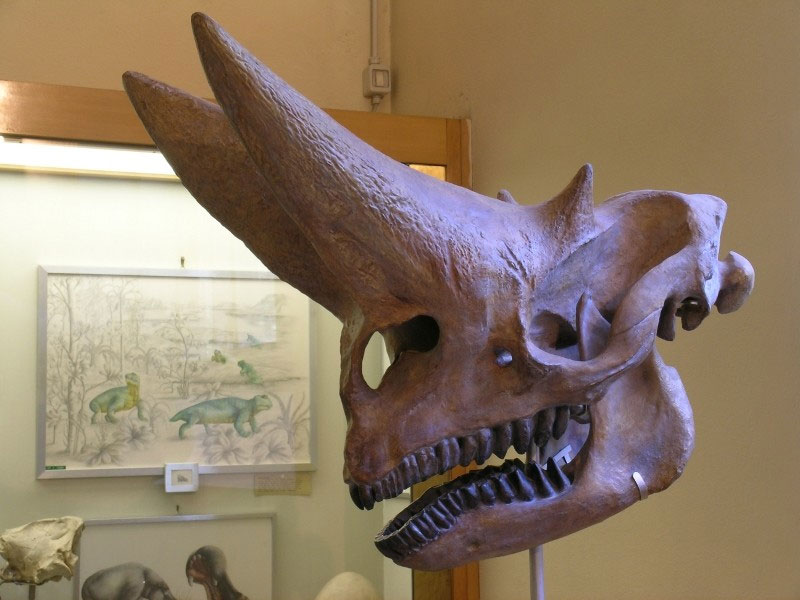
the collections include several extraordinary
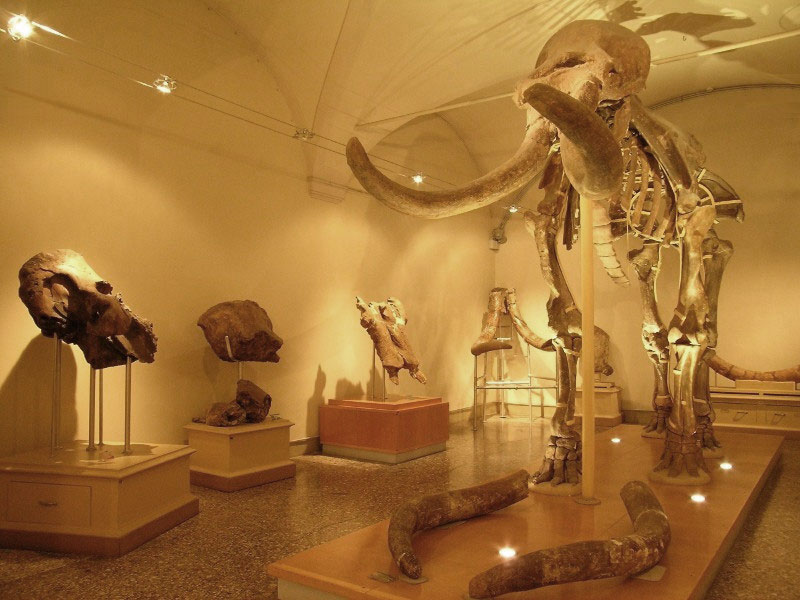
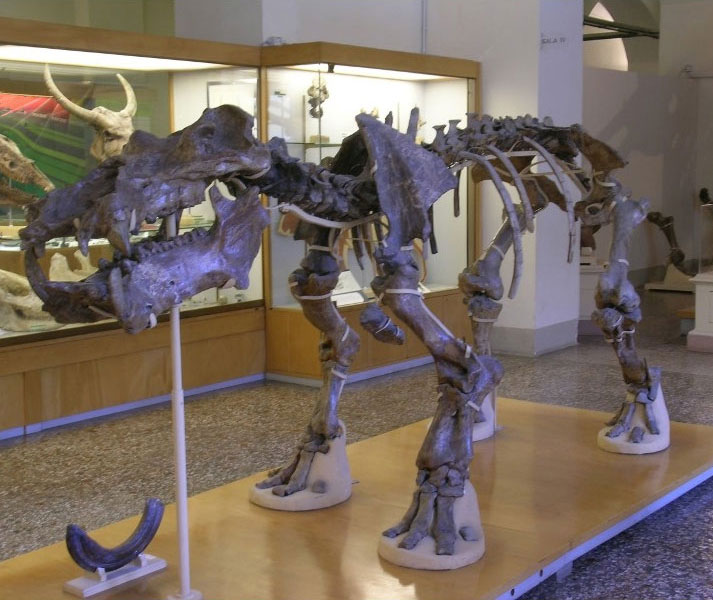
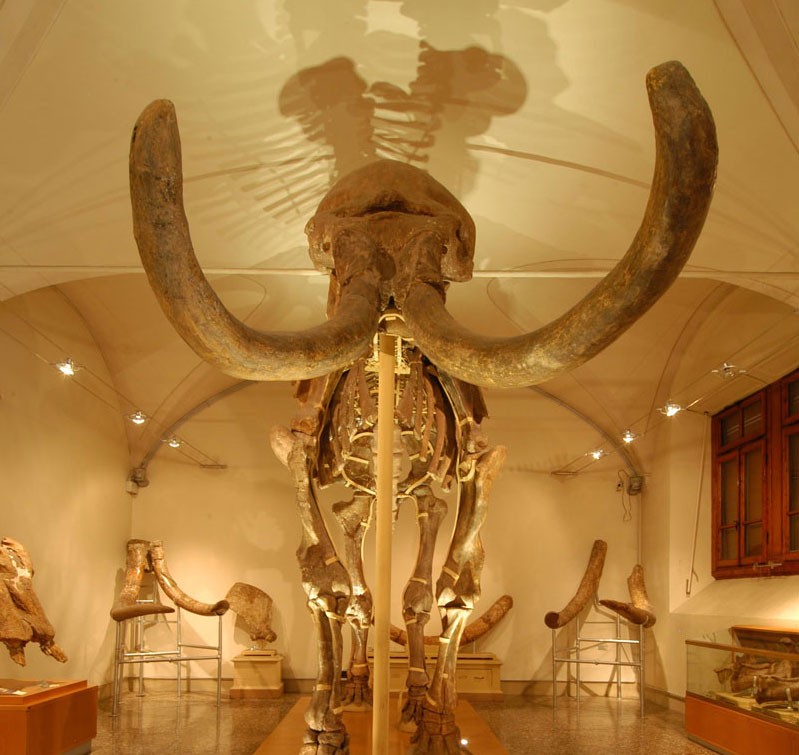
examples. In addition to the lavish collection
of Villafranchian mammals from the upper Valdarno
(with impressing Proboscidea) there are also:
the anthropoid monkey from Maremma (Oreopithecus
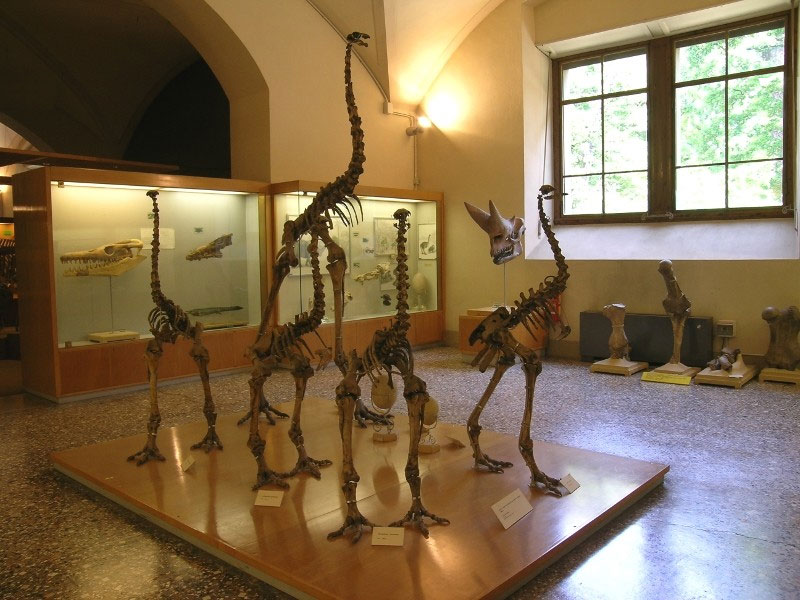
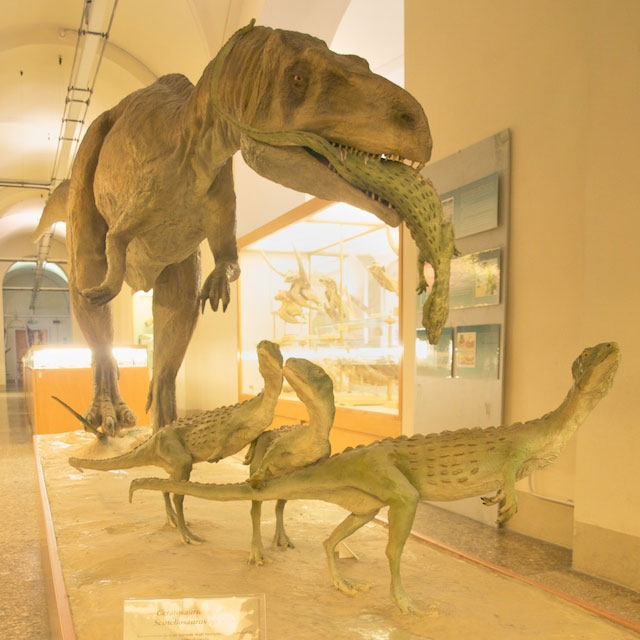
bambolii), the imprints of mesozoic reptiles
from Monte Pisano and non-flying birds (Moa)
from New Zealand.
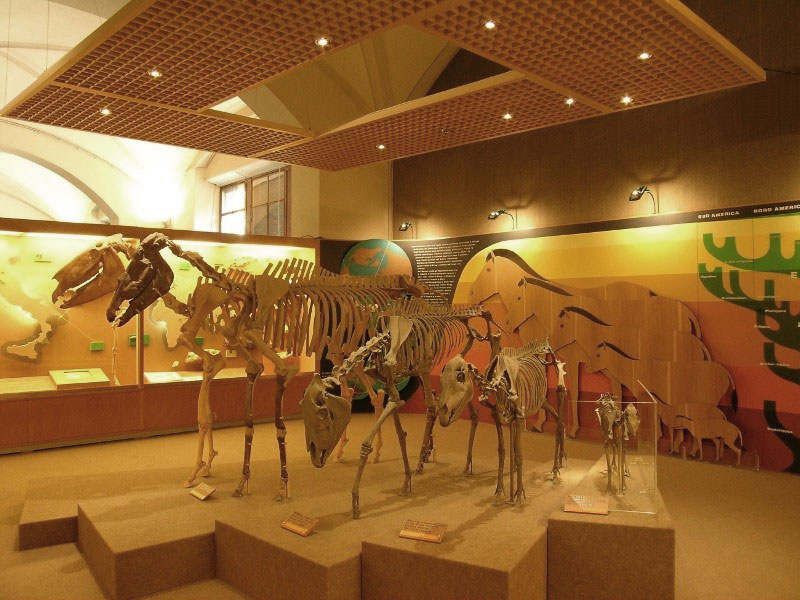
A whole room is dedicated
to the evolution of horses; some display stands
and panels illustrate the paleonthobiogeography
of the Mediterranean region - and in particular
of Italy - during the upper Miocene, the theses
on the origin of life and the evolution of vertebrates
and in particular of Primates.
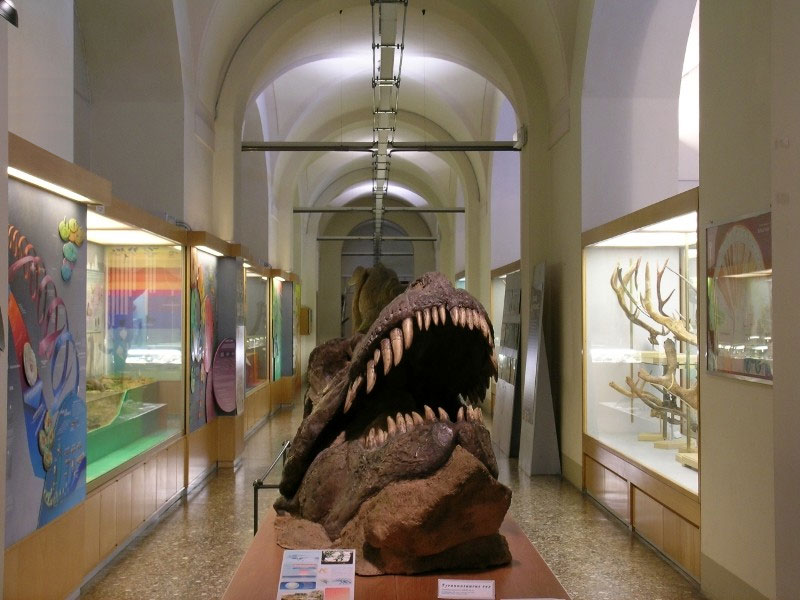
Besides displaying vertebrates,
the museum also offers
a wide collection of invertebrates
and plants that have
been arranged in chronological
order in the central
gallery of the Museum.
The Museum organises didactic
activities, guided tours,
lessons and temporary
exhibitions.
|