The
collections of minerals
were transferred to their
present day location in
1880 from the Royal Museum
of Physics and Natural
History, known as "La
Specola" (it was created
in 1775 by Grand Duke Pietro
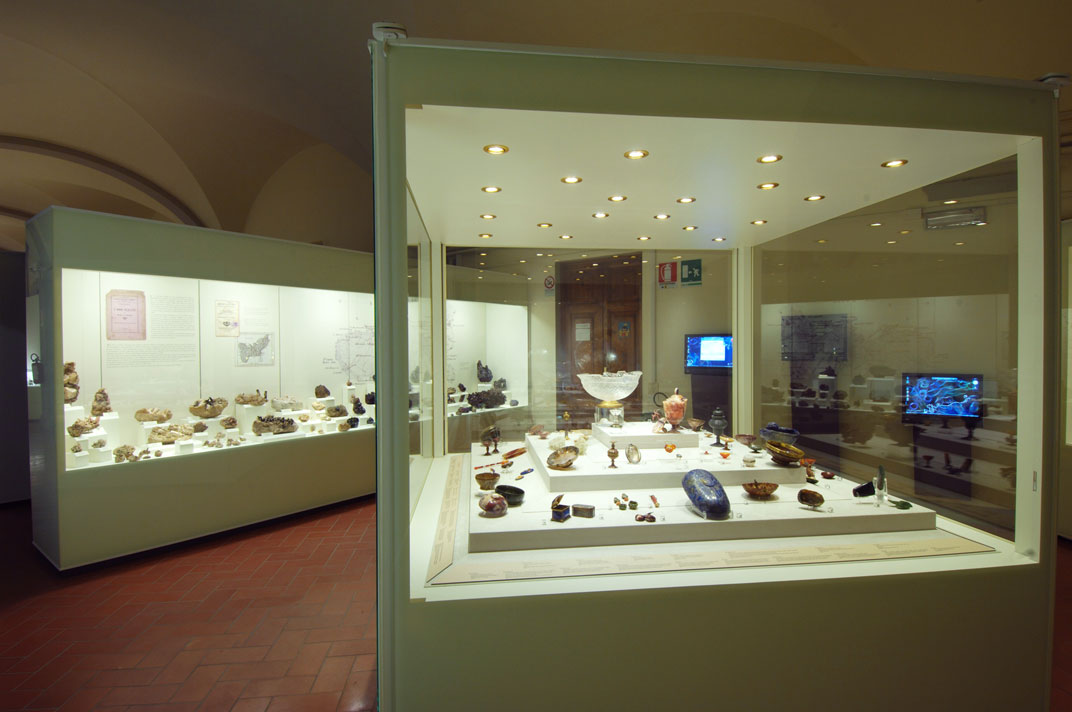
Leopoldo). The museum displays
over 45.000 examples, including
the lavish collection of
samples from all over the
world, an extraordinary
collection of stones that
have been worked and belong
to the Medici and the collection
of minerals from the island
of Elba, which is the most
unique because of the number
of samples it includes,
which comprises over 6.000
stones.
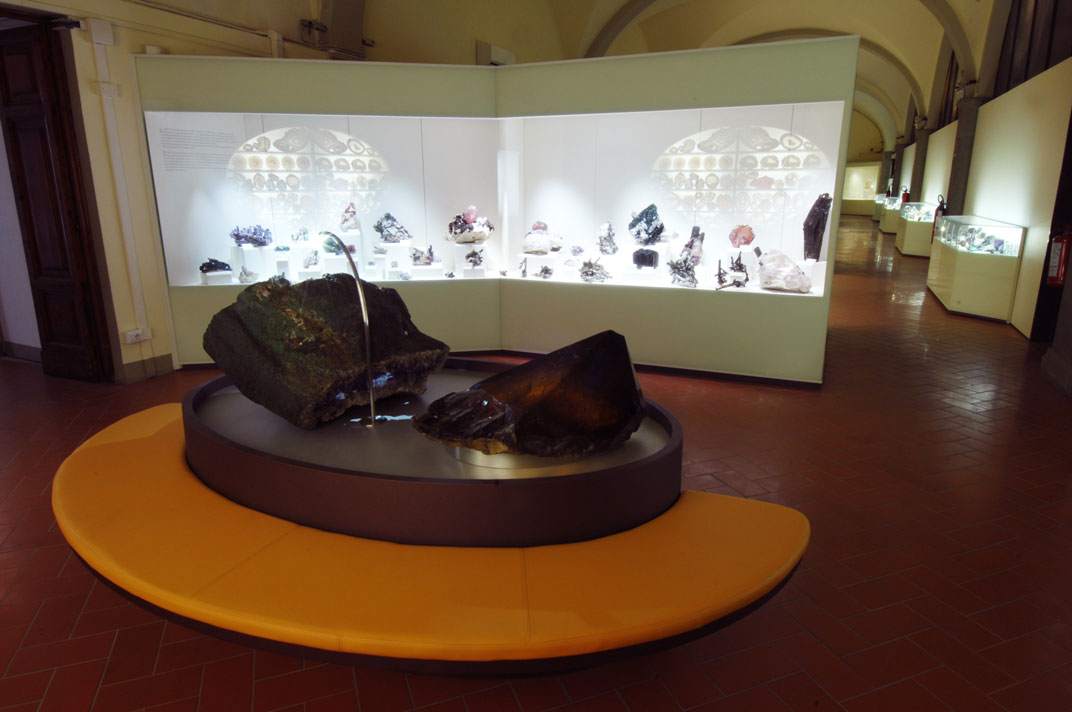
One
of the finest pieces is
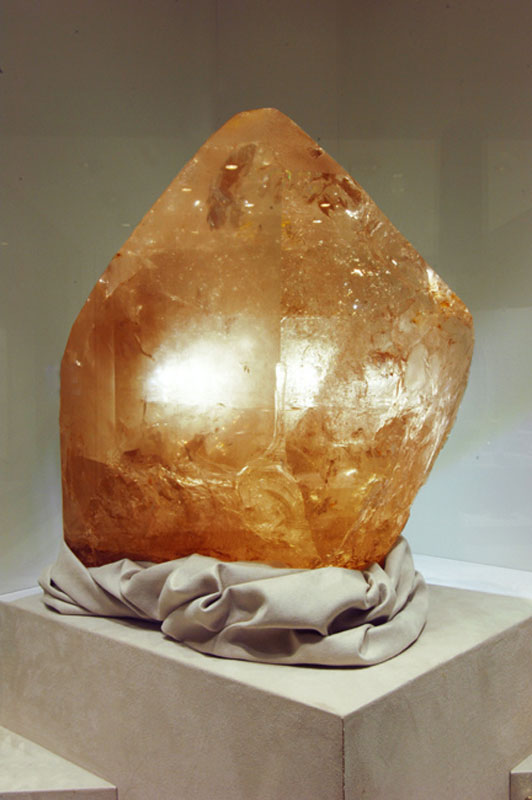
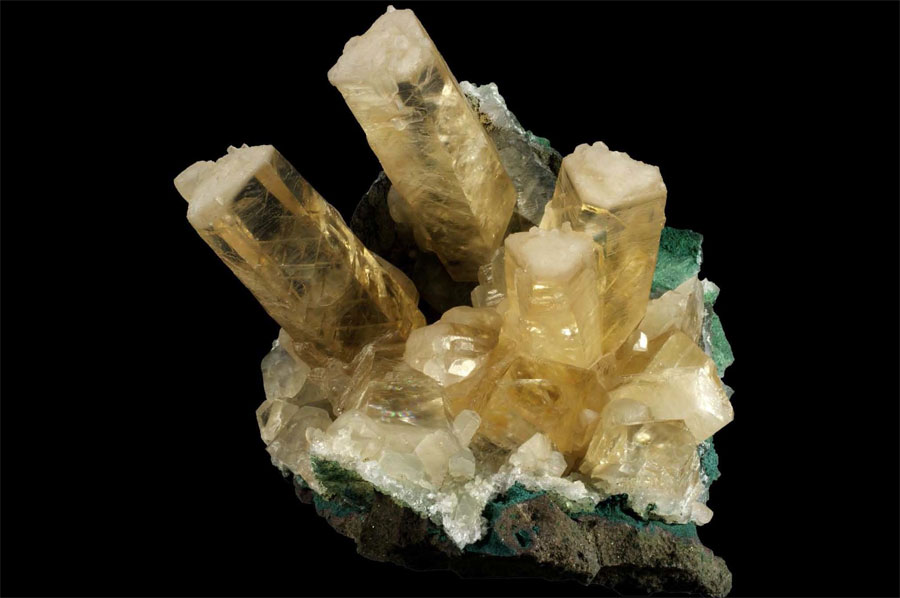
the topaz weighing 151
kg (the second largest
stone in the world) that
comes from Minas Gerais
in Brazil, but there also
huge samples of Brazilian
pegmatites, such as the
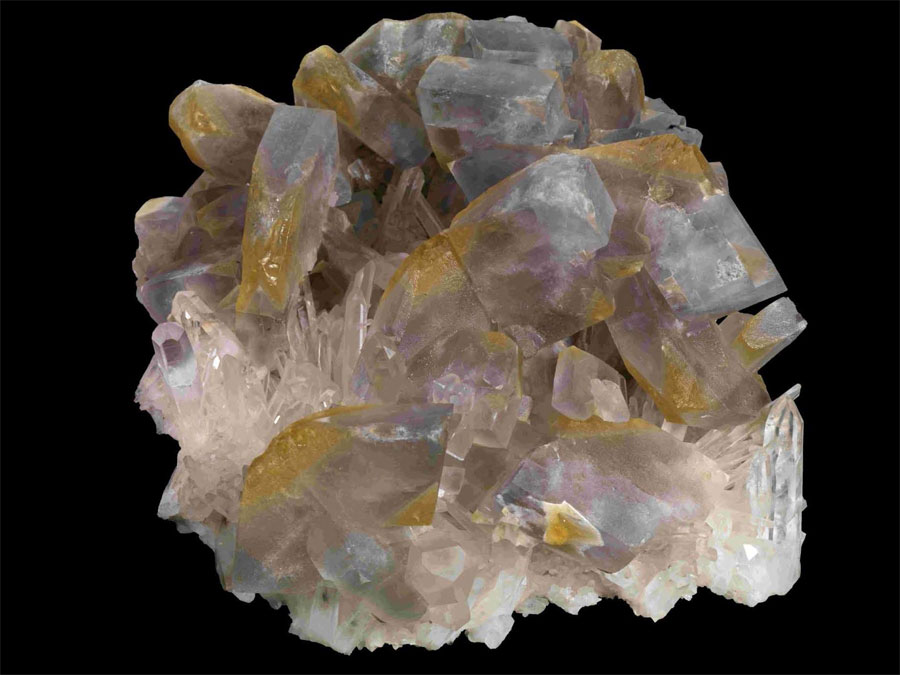
smoked quartz that weighs
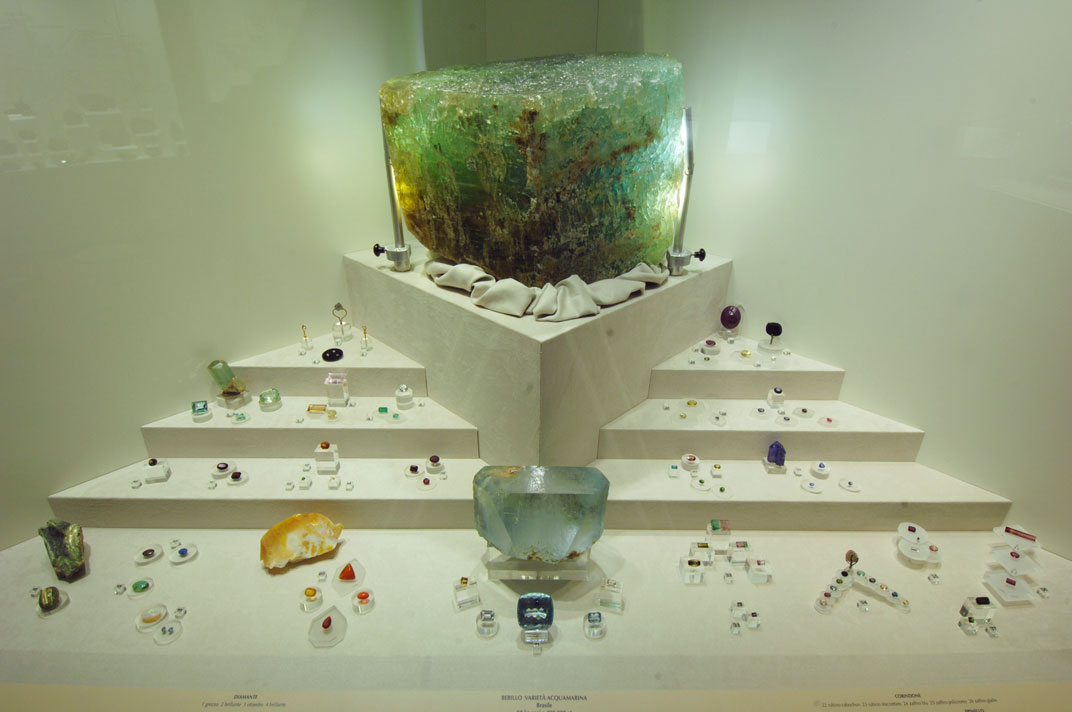
180 kg, the orthoclase
of 60 kg and the aquamarine
of 98 kg.
The
museum displays some of
the most beautiful samples
of coveline and azurite
from Sardinia, in addition
to large samples of Sicilian
sulphur. The collection
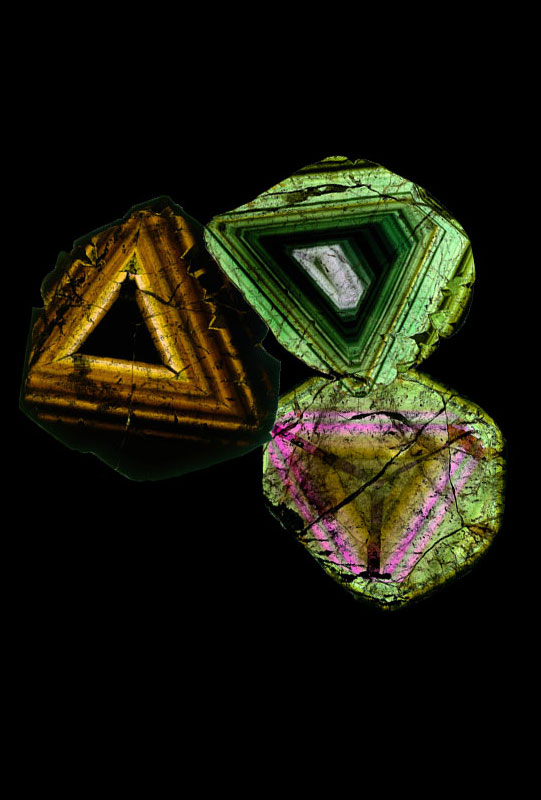
of minerals from the Island
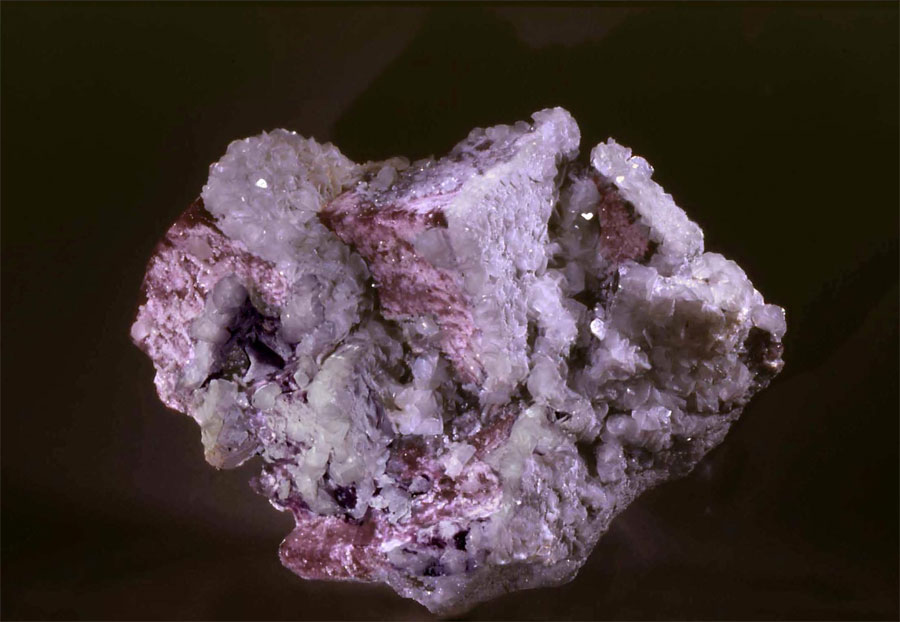
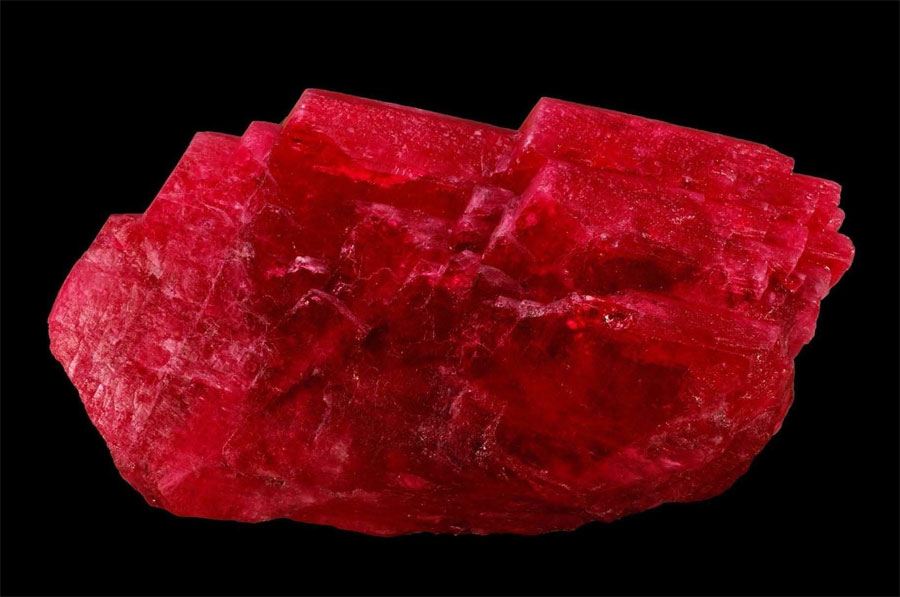
of Elba comprise splendid
samples of tormelines,
a proof of the extraordinary
quantity of minerals that
conld be found on this
island in the past.
The
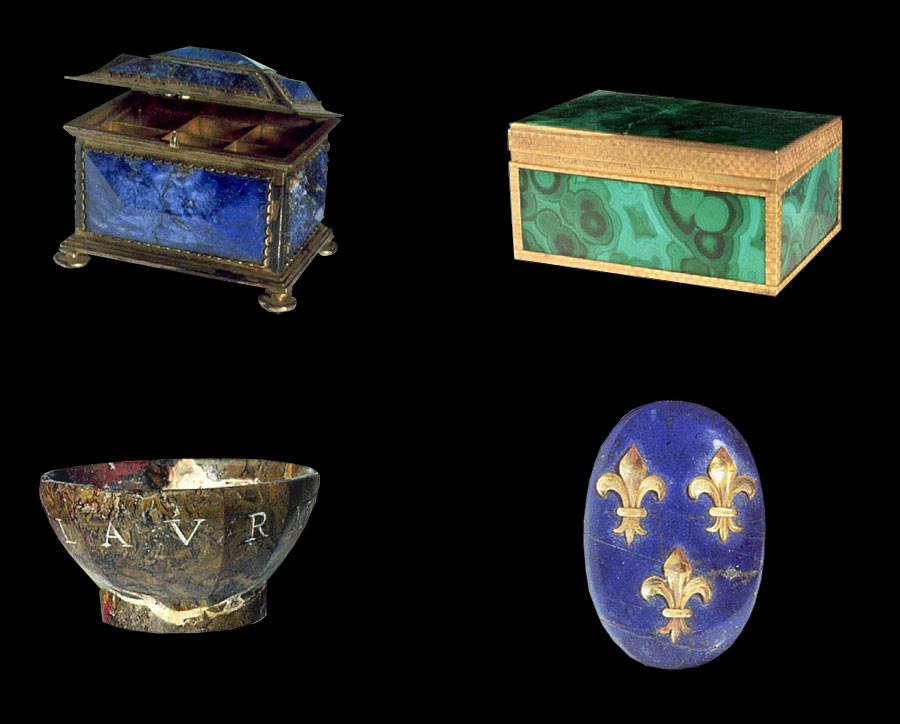
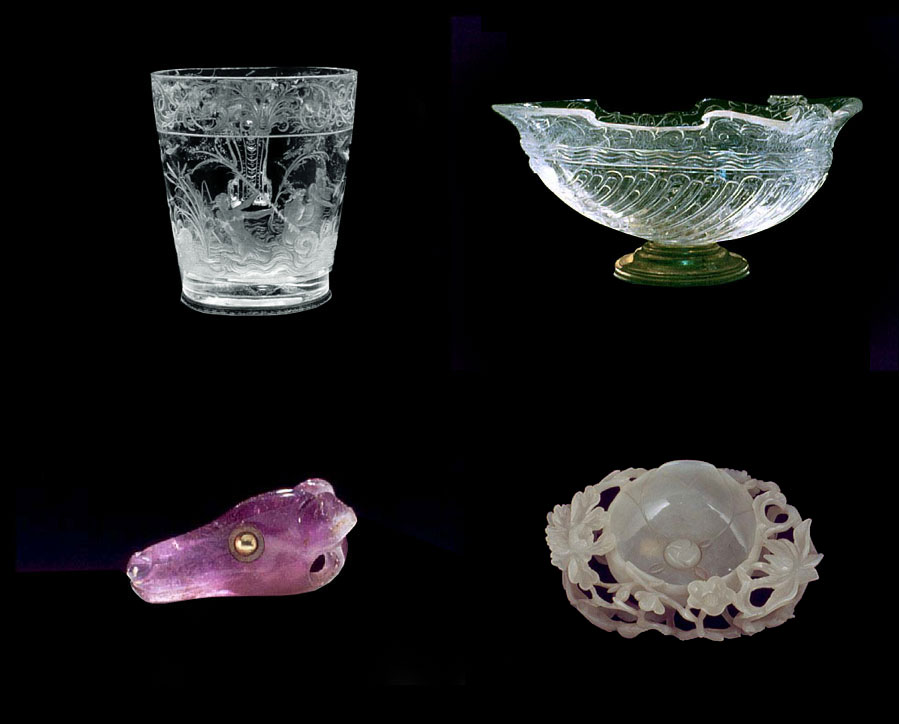
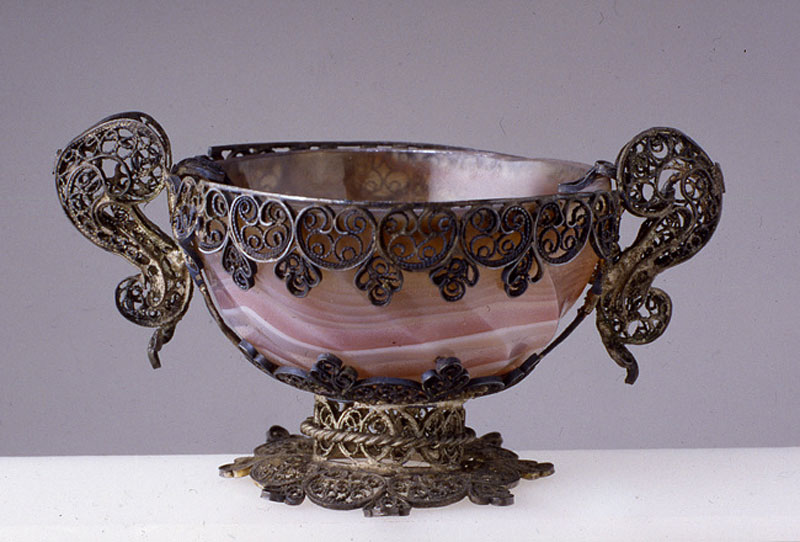
worked stones of the Medici
collection prevalently
have an historical and
aesthetic value. The main
pieces comprise cups, goblets
and very fine snuffboxes,
but there are also goblets
in jasper and jade with
the engraving LAURMED (Lorenzo
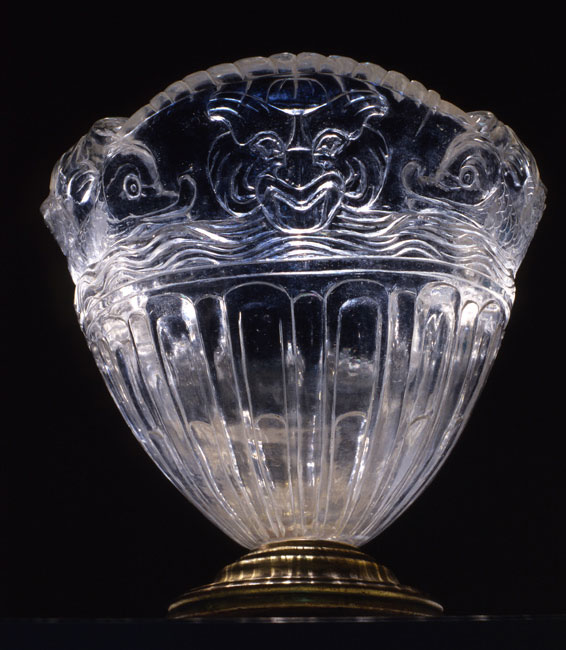
the Magnificent), the quartz
boat and the goblet in
lapis lazuli, a creation
by G. Miseroni. This rich
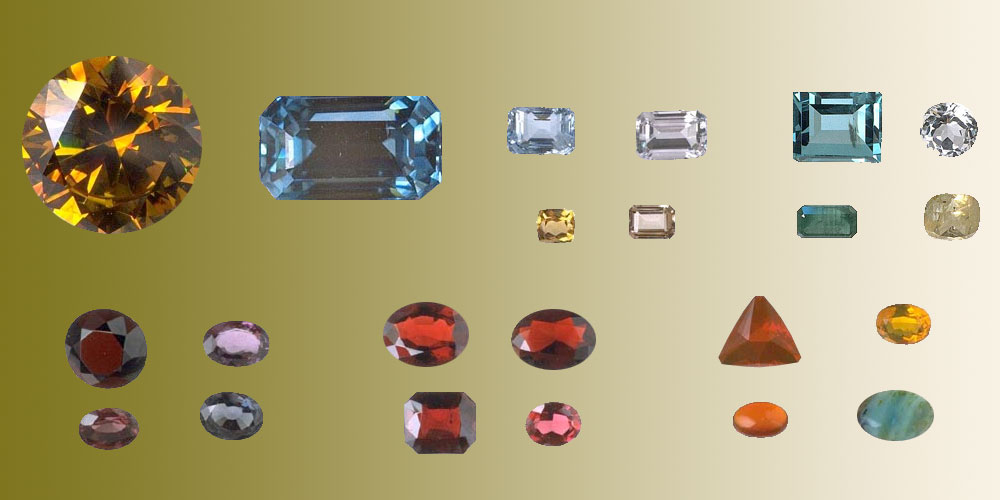
collection also comprises
cut stones, like citrine
quartzes, smoked quartzes,
zircons, grenades and emeralds.
The
collection of meteorites
(less than 100 pieces)
is more modest but equally
important. The finest samples
are the meteorite fallen
in the area around Siena
on June 16, 1794 and those
fallen on Monte Milone
(near Macerata) on May
8, 1846.
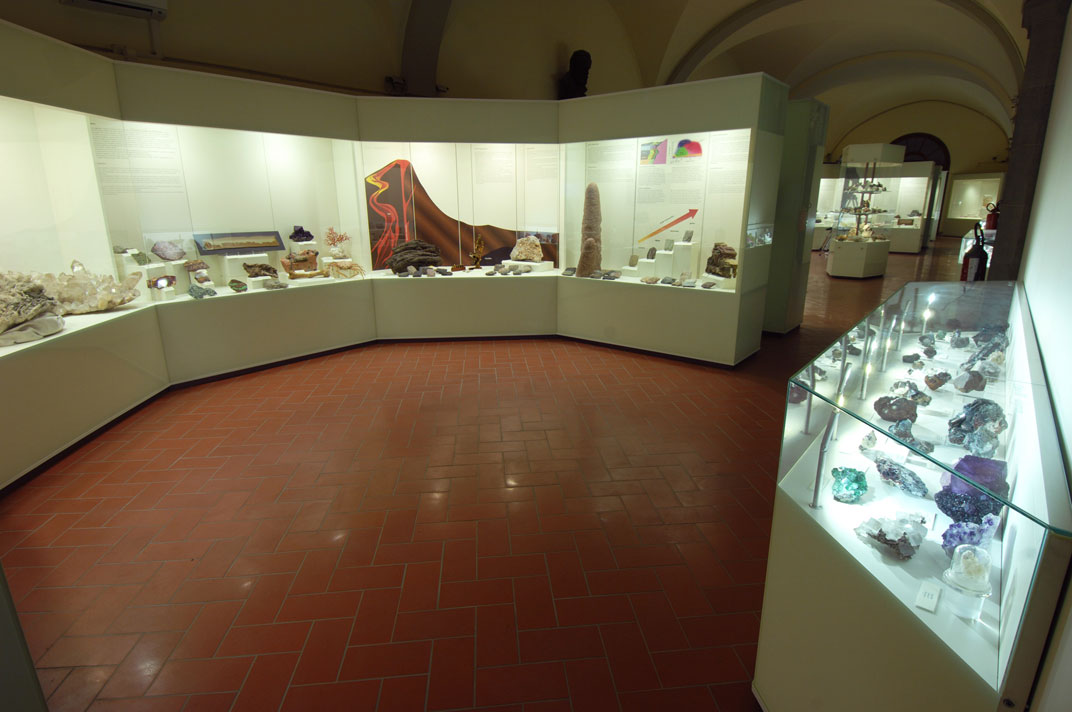
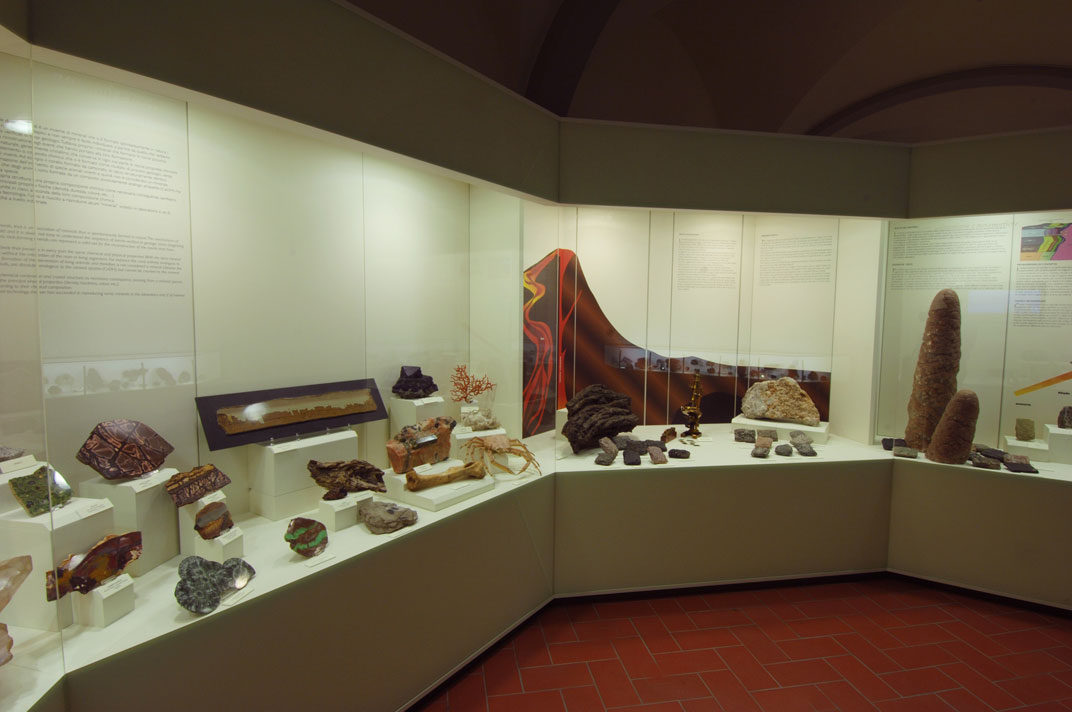
The
museum has also finished
arranging the series of
didactic stands that define
the origins of rocks and
the evolution and properties
of minerals.
Thanks
to the very important scientific
and historical value of
the collection and their
consistency, the Mineralogy
Museum of the University
of Florence can be considered
the most important museum
in Italy and one of the
most famous ones abroad.
|