The
National Museum has its
setting in one of the oldest
buildings in Florence that
dates back to 1255. Initially
the headquarters of the
Capitano del Popolo (Captain
of the People) and later
of the Podestà,
the palace became, in the
sixteenth century, the residence
of the Bargello that is of
the head of the police (from
which the palace takes its
name) and was used as prison
during the whole 18th century.
Its walls witnessed important
episodes of civic history.
It was the meeting place
of the Council of the Hundred
in which Dante took part.
It wituessed sieges, fires,
executions, the most famous
perhaps being that of Baroncelli,
involved in the Pazzi plot
against the Medici, which
Leonardo also witnessed.
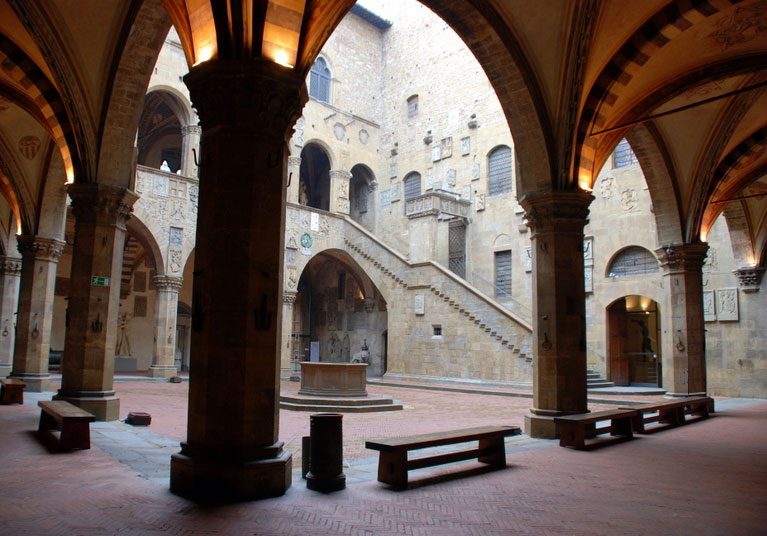
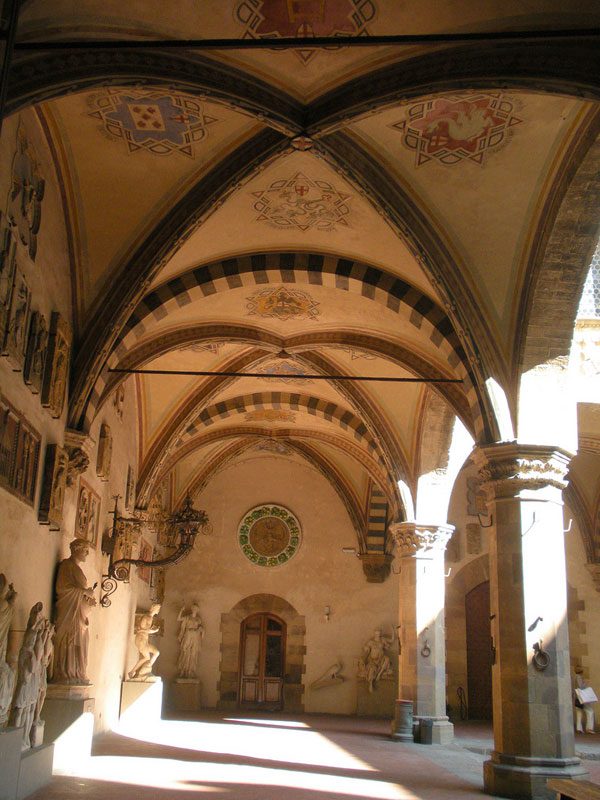
During the 14th and 15th
century, the palace was subjected
to a series of alterations
and additions, still preserving
its harmonious severity,
best seen in the beautiful
courtyard, the balcony and
the large hall on the first
floor.
The
building's use as National Museum began
in the mid-19th century. Today it is the
setting for works of sculpture, mainly from
the grand ducal colleotions, and for many
examples of "minor" Gothic decorative
arts.
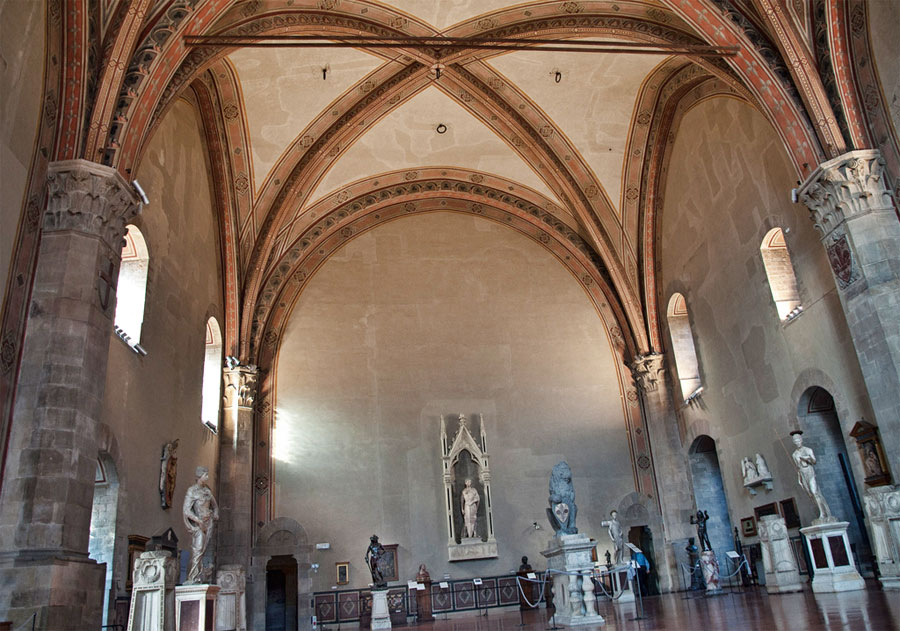
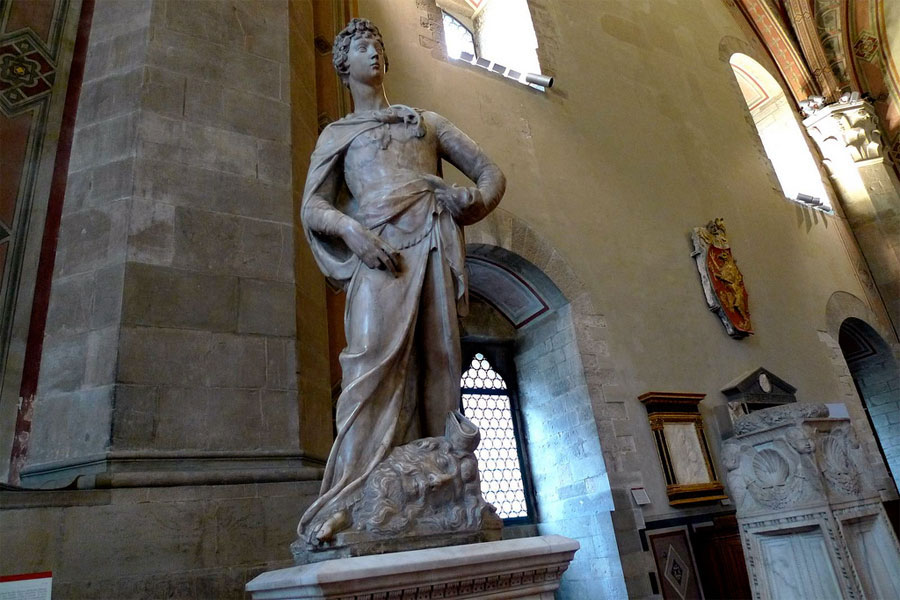
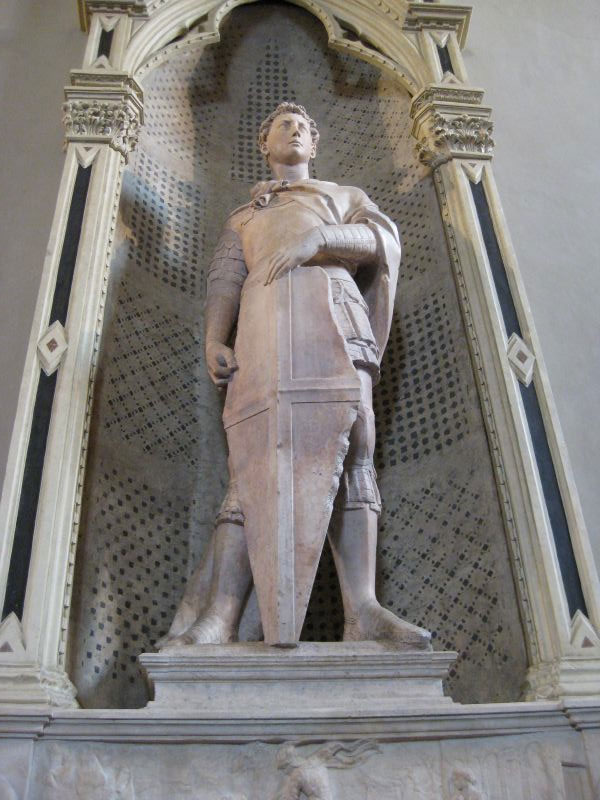
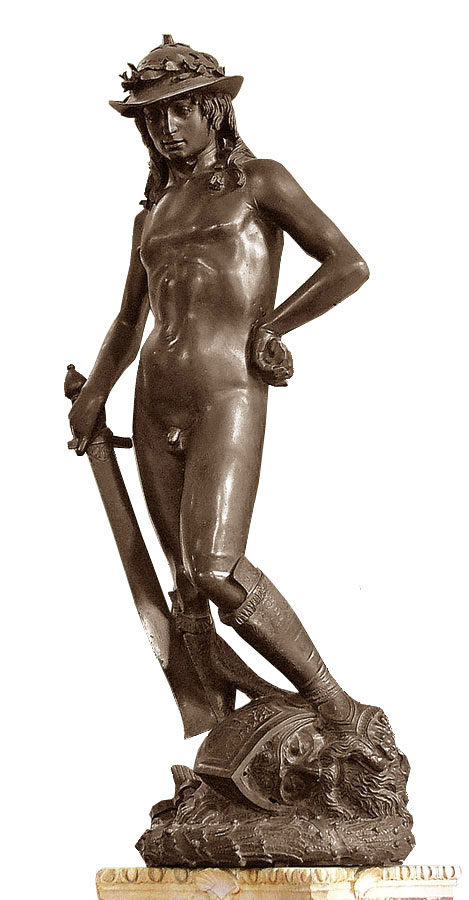
The
large 14th century hall on
the first floor displays some
works by Donatello (1386-1466)
including the early marble
David, the St. George moved
to this location from the niche
in Orsammichele, the more
mature and ambiguous bronze
David, the Atys. and the Marzocco,
originally installed on the
battlements of Palazzo Vecchio.
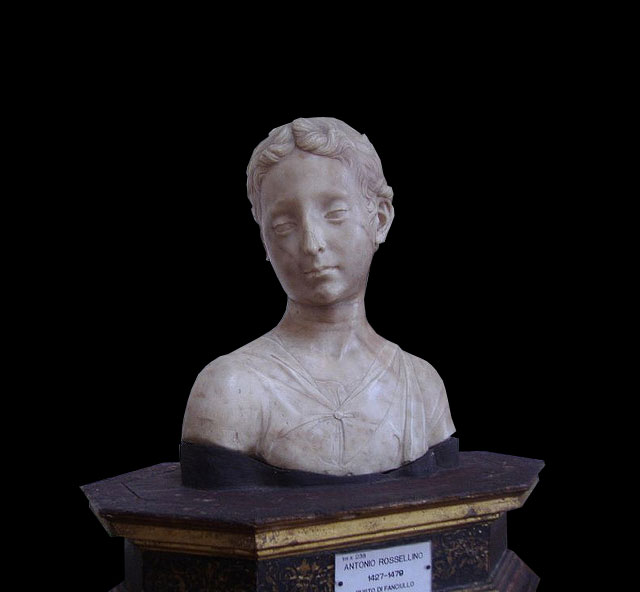
The works of the master are
surrounded by the most delicate
works of his pupils Desiderio
da Settignano (c. 1430-1464)
and Antonio Rossellino (c.
1427-1479). The collection
also includes the two panels
entered by Lorenzo Ghiberti
and Filippo Brunelleschi for
the Baptistery door competition
of 1401. The Renaissance repertoire
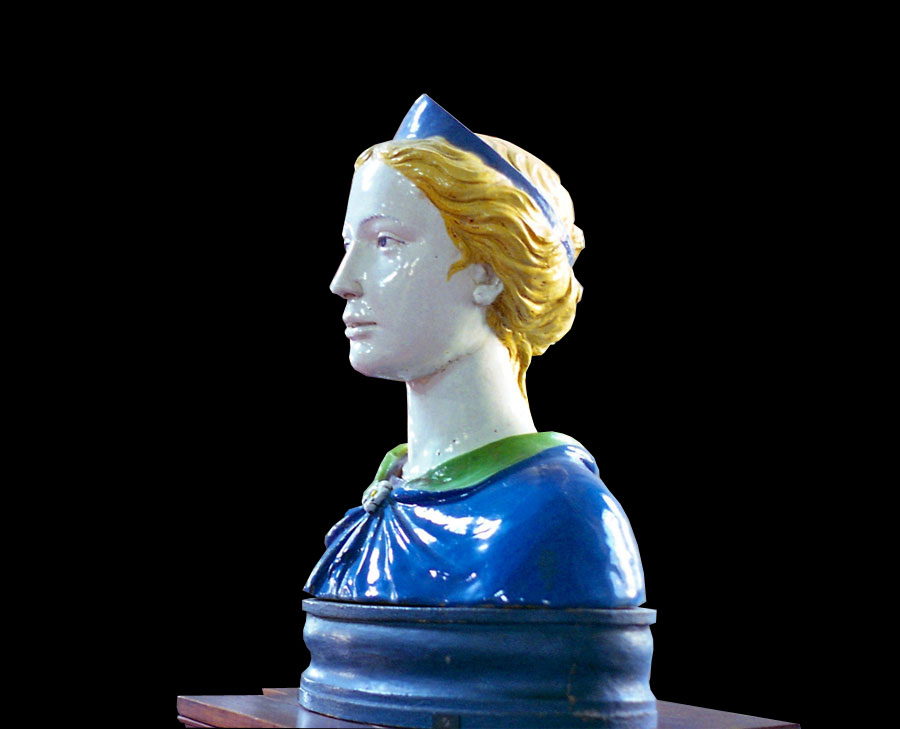
comprises the glazed terracottas
by Luca della Robbia (c. 1400
- 1482) that include a very
extraordinary group of Madonna
with Child.
The
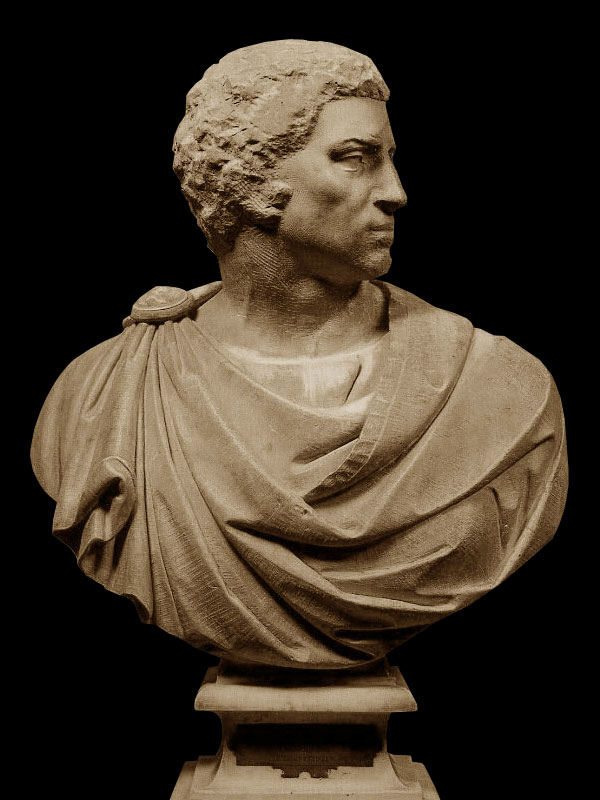
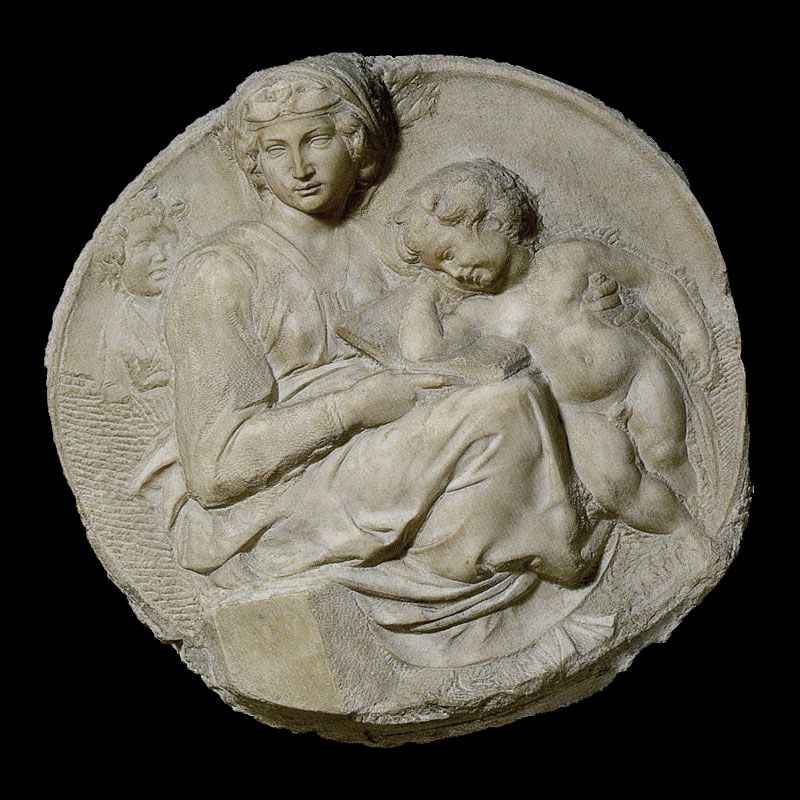
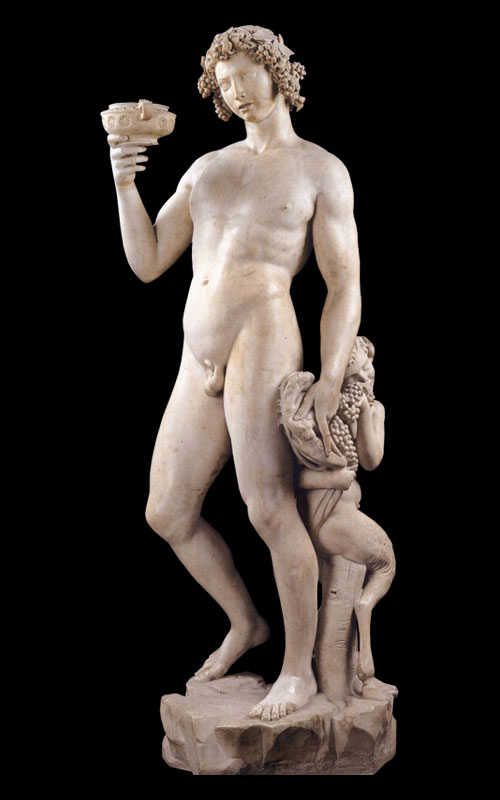
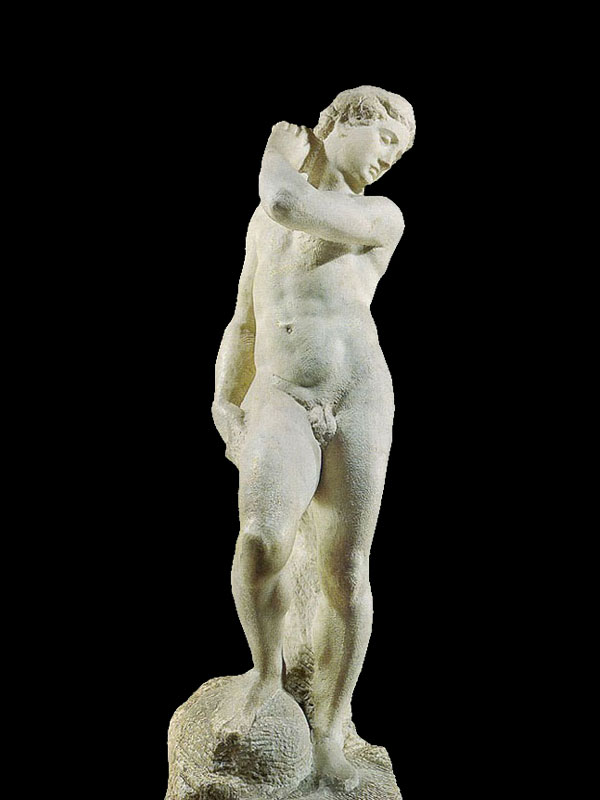
rooms on the ground floor exhibit Tuscan
16th century works, focusing in particular
on four masterpieces by Michelangelo (1475-1564):
Bacchus, the relief representing a Madonna
with Child, Brutus and David-Apollo.
The
assortment is then followed by works of
Andrea Sansovino (14601529), Jacopo Sansovino
(1486-1570), Baccio Bandinelli (1488- 1560),
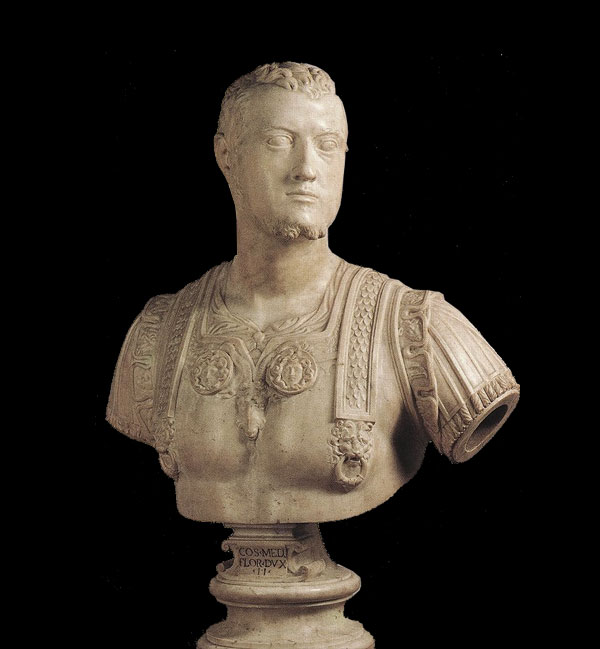
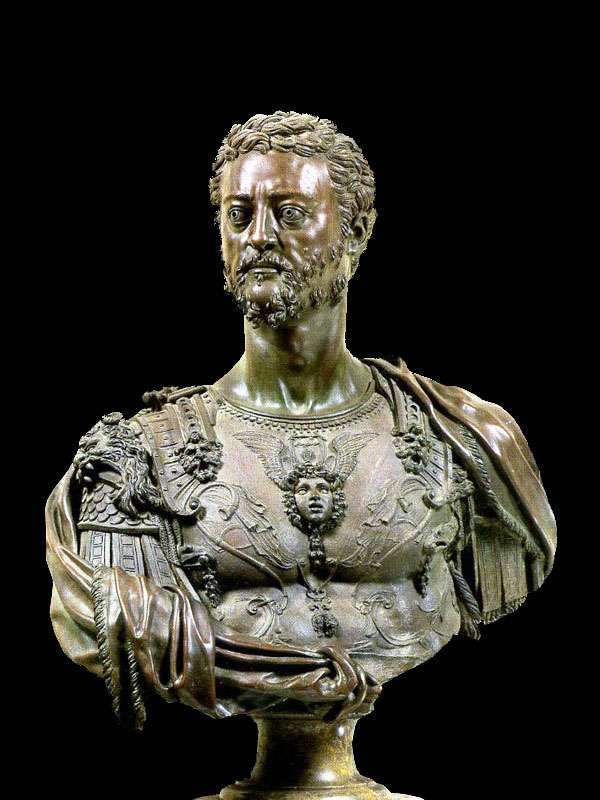
Bartolomeo Ammannati (1511-1592), Benvenuto
Cellini (the model of Perseus and the small
bronze sculptures were moved to this location
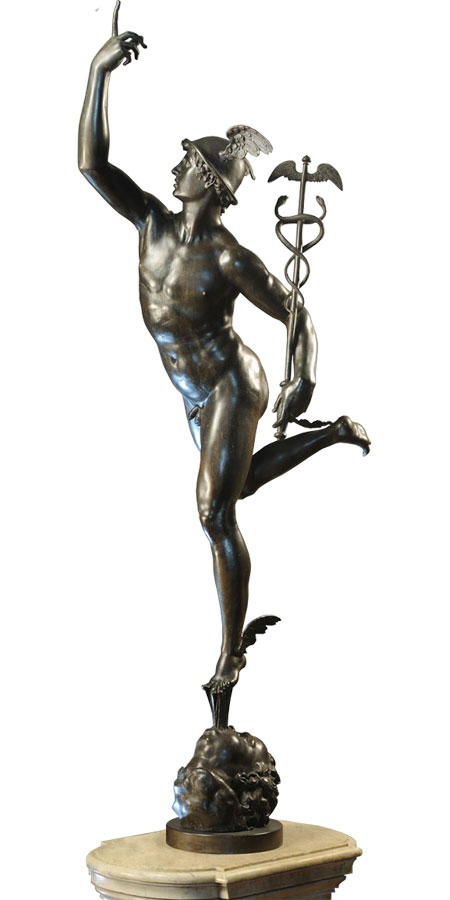
from the Loggia dell'Orcagna), down to Giambologna
(1529-1608) with his admirable Mercury.
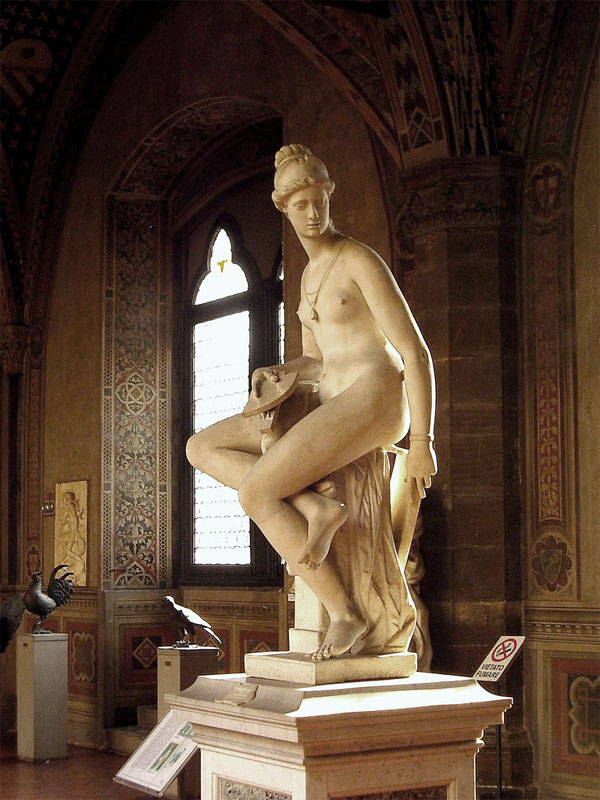
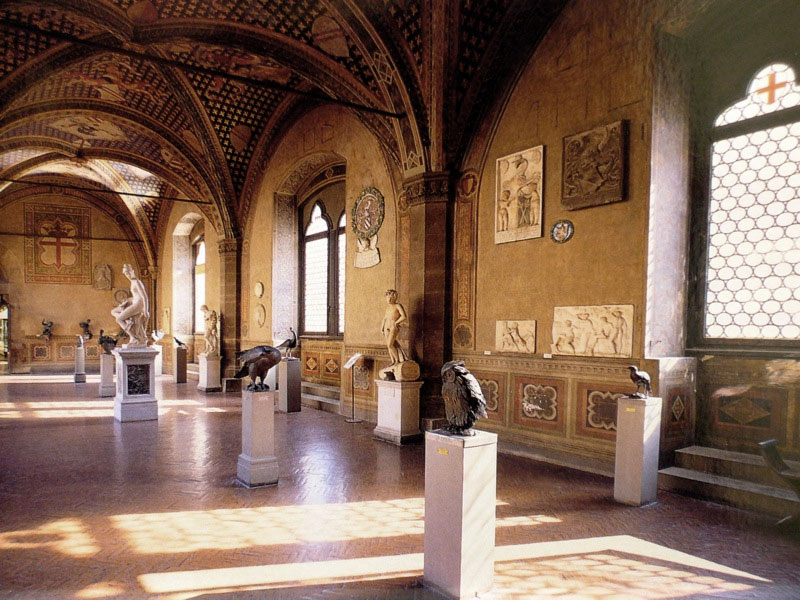
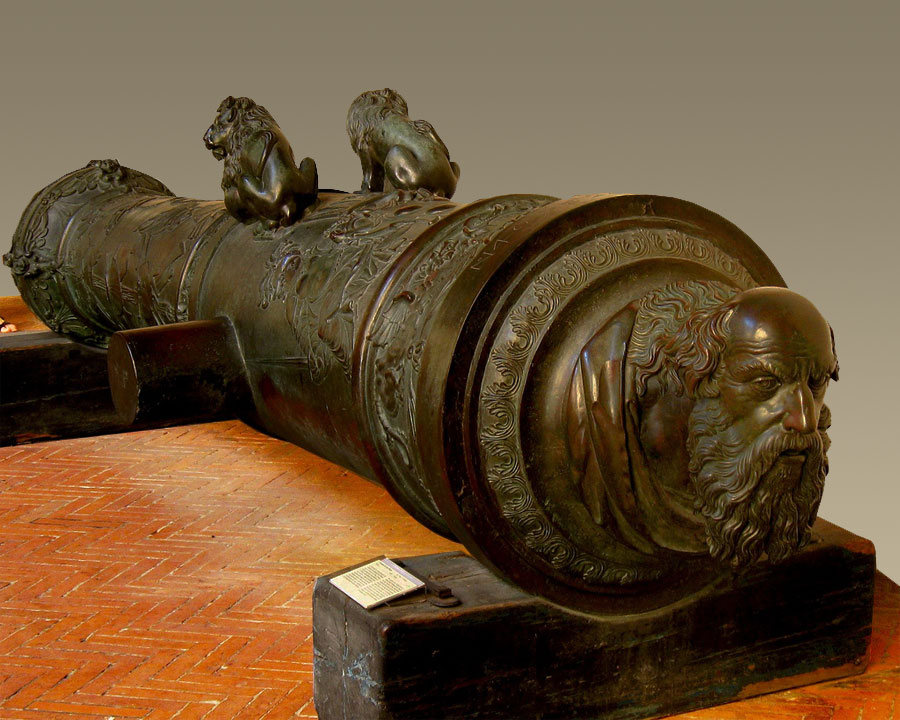
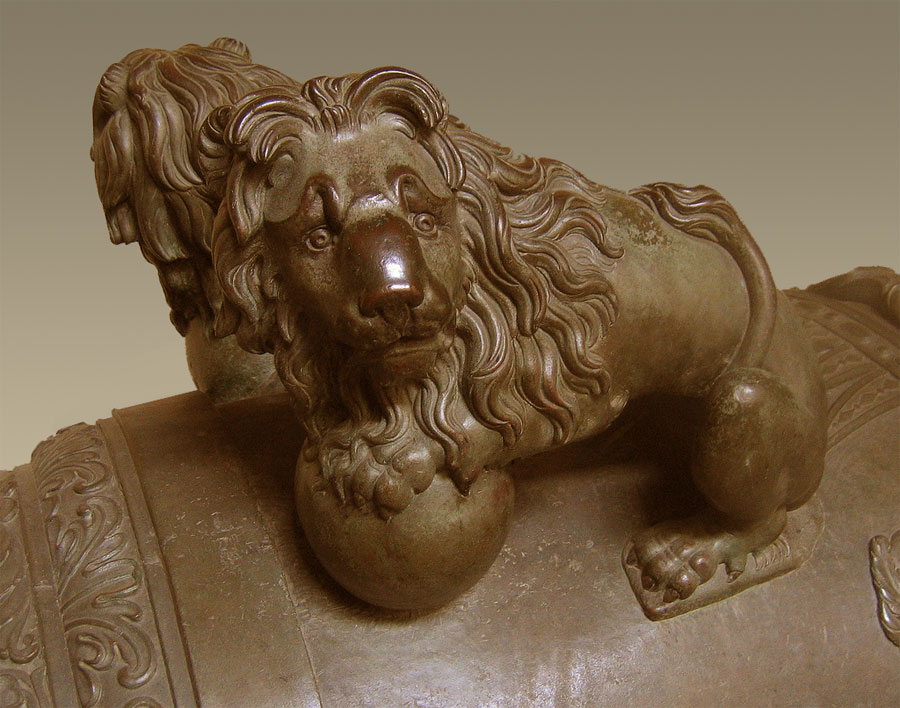
The bronze animals that were originally
placed in the grotto of the Medici villa
of Castello are now displayed on the staircases.
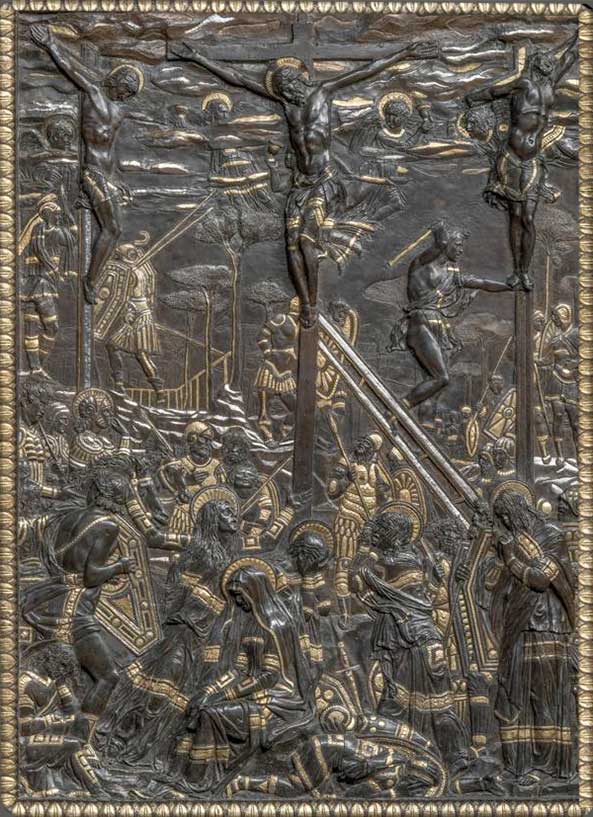
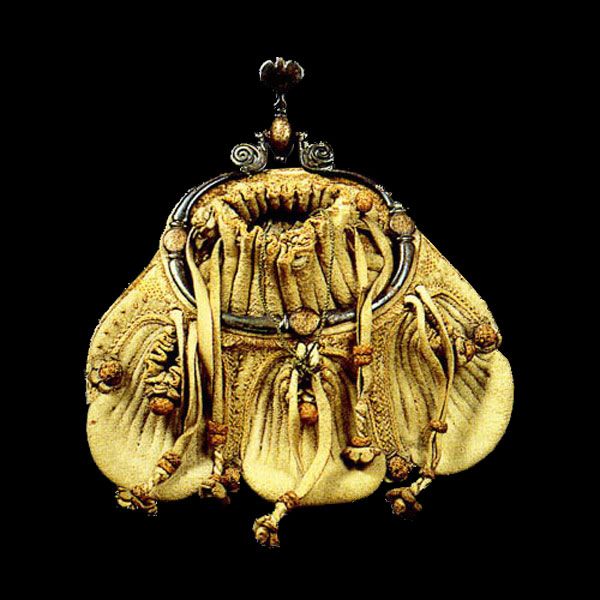
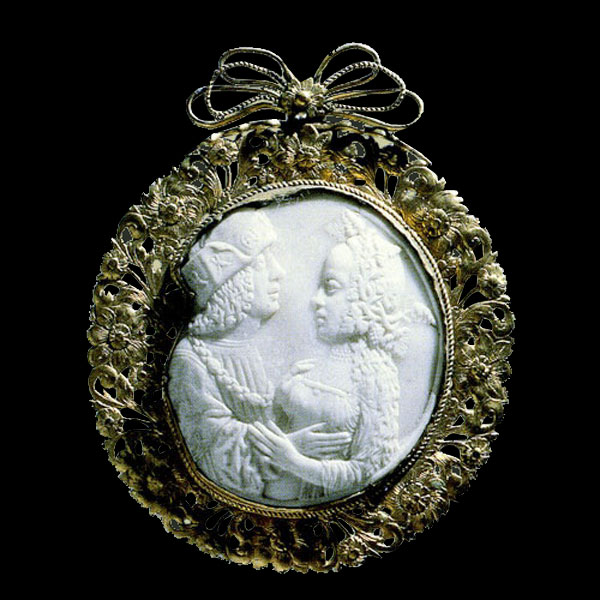
The
museum stores however many
other treasures: fine works
of art enriched by the Carrand,
Ressman and Franchetti collections
comprising decorative or "minor" arts
are distributed among the
several rooms of the Palace,
both on the first and second
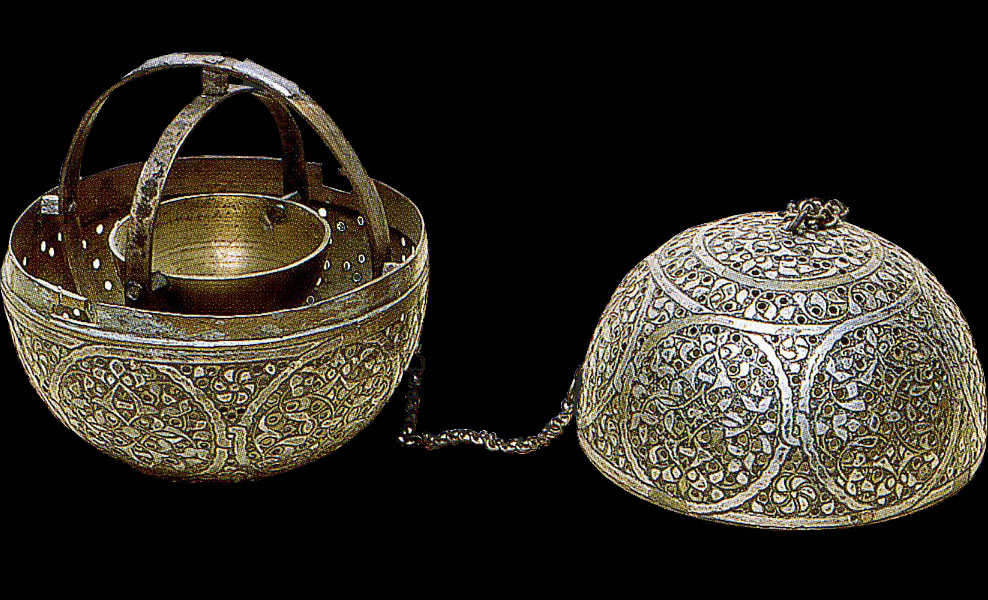
floor. From ivories that include
several Roman and Byzantine
examples, down to medieval
glazes and Limoges porcelain
from German and French gold
works, Renaissance jewels
down to Islamic examples of
damascened bronze; from grand
ducal collections down to
Venetian glass.
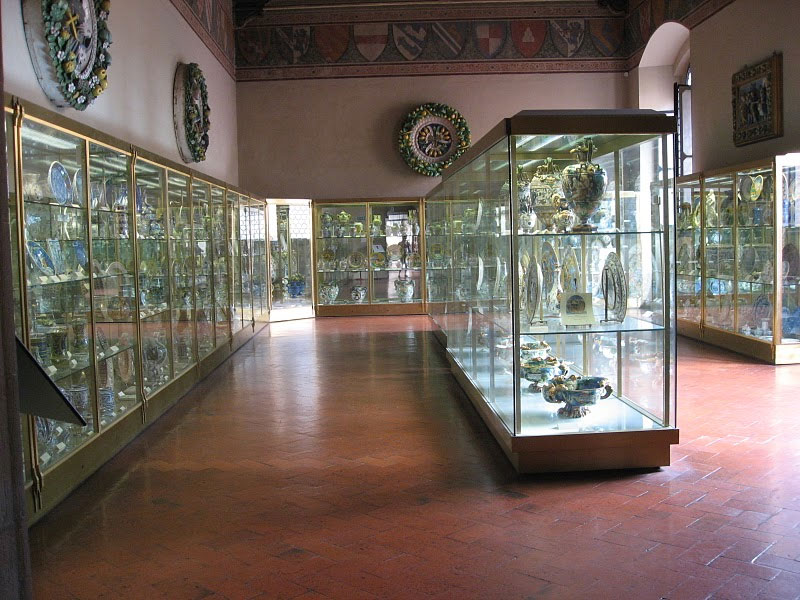
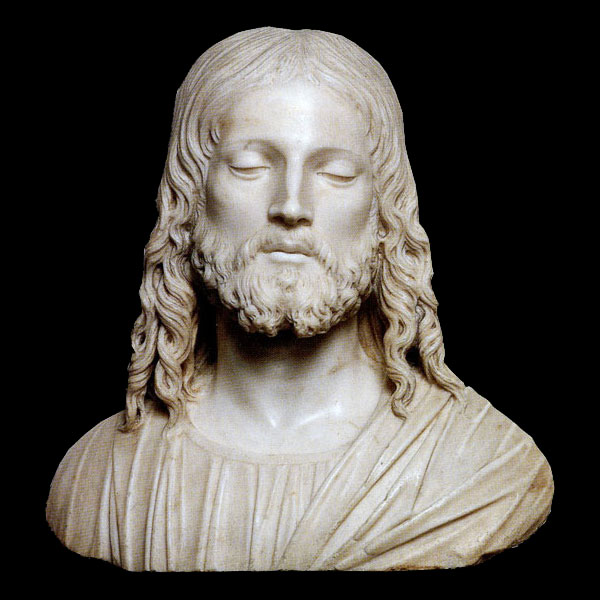
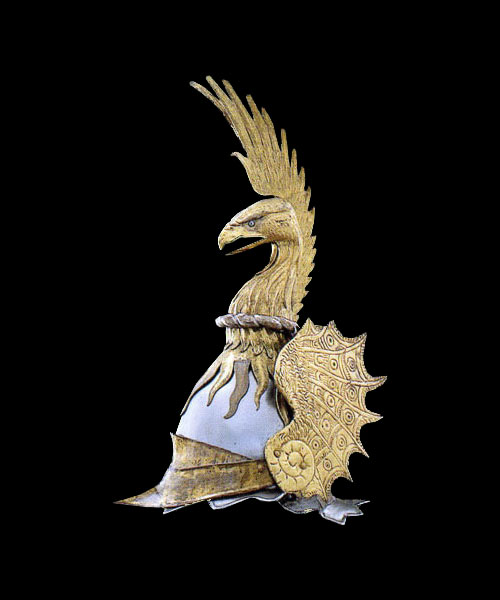
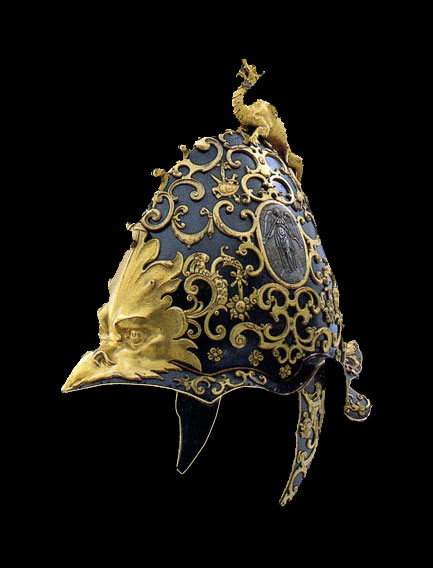
The museum displays
several treasures including very unique
panel pieces and wooden sculptures. Of note
are also the majolicas, arms and small bronze
statues.
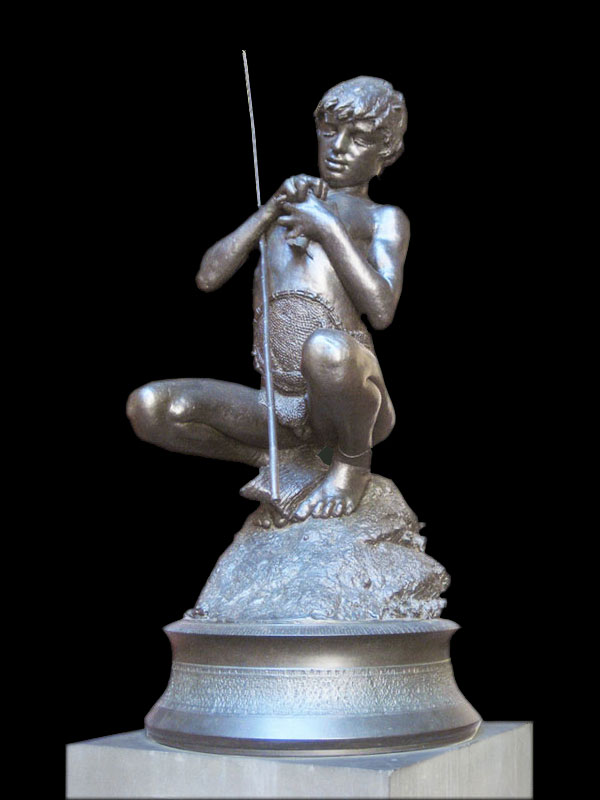
Two
rooms on the second floor
are dedicated to the glazed
terracottas created by Andrea
and Giovanni Della Robbia,
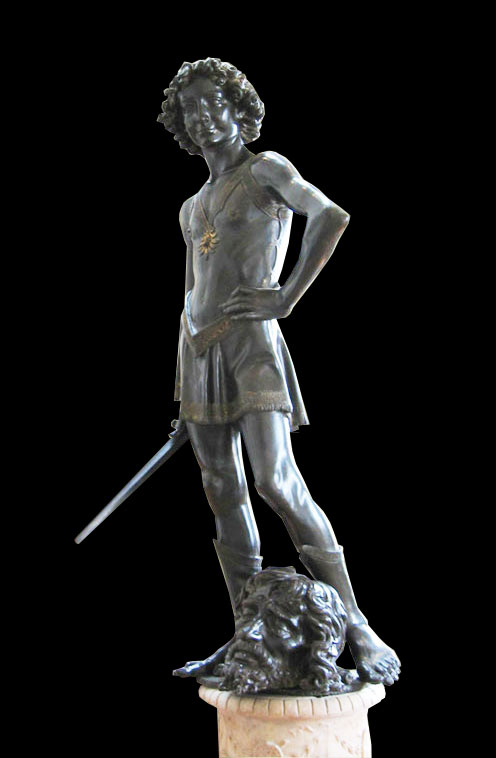
besides displaying the bronze
David and the Lady with Posy
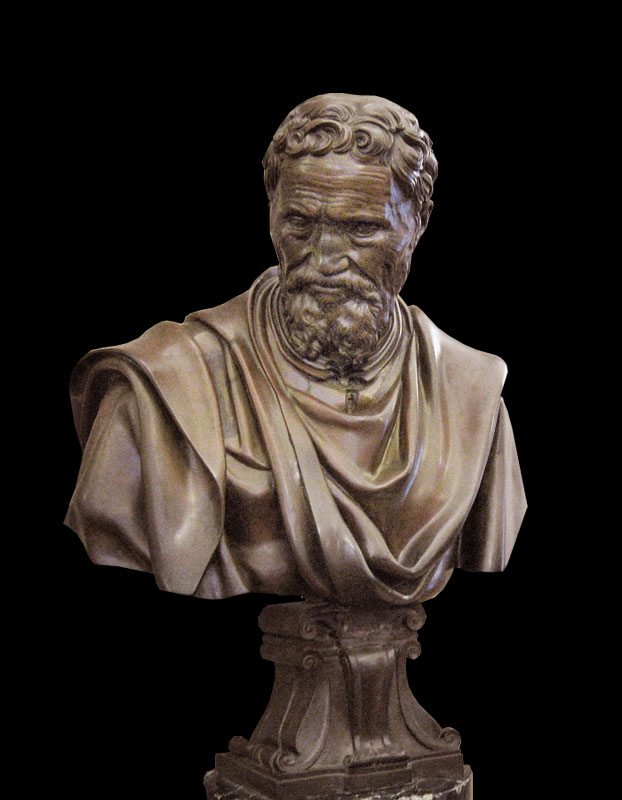
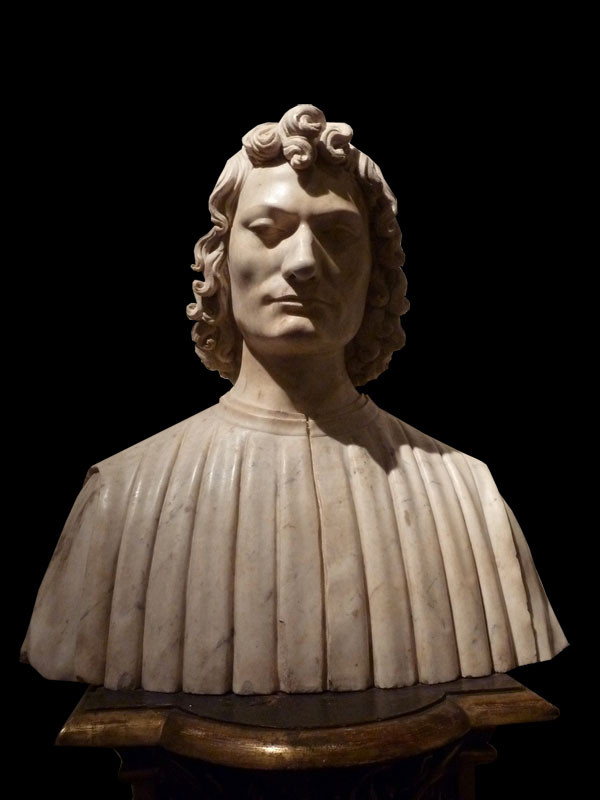
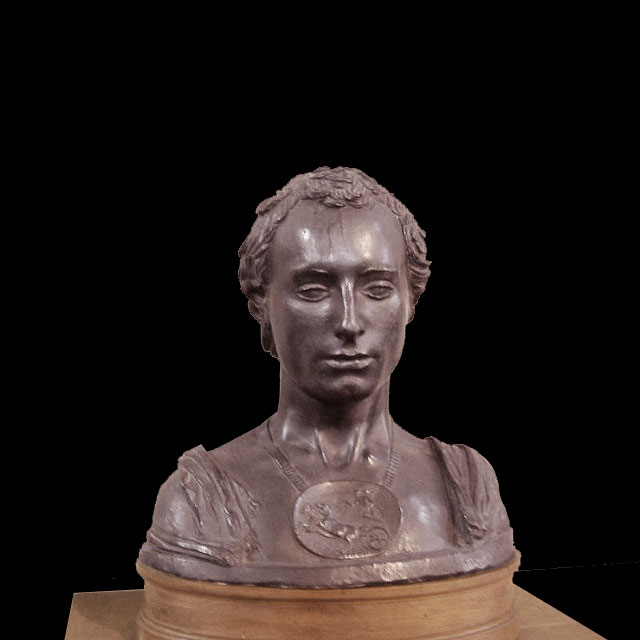
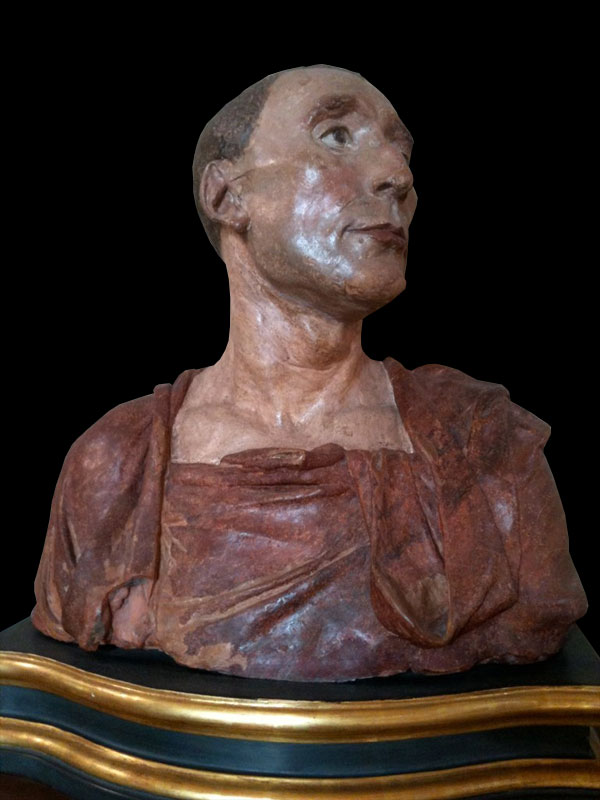
by Verrocchio in the room
named after the artist, which
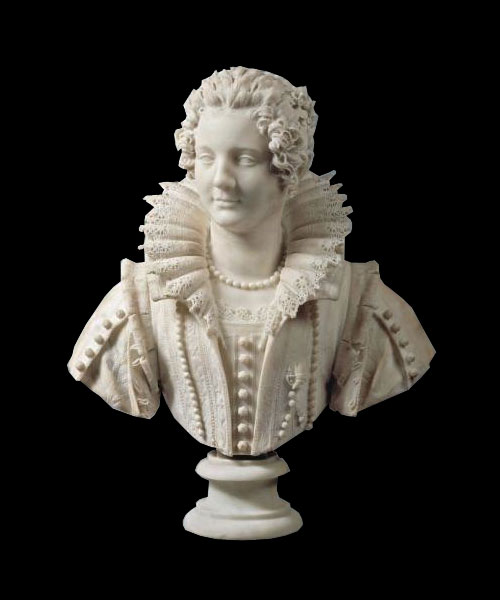
displays also an extraordinary
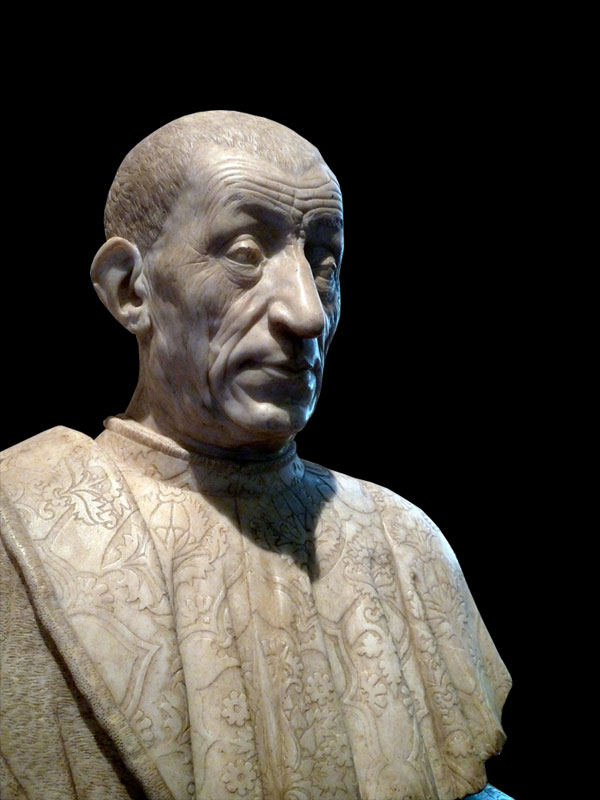
collection of busts of Florentine
personalities made by some
of the most important 15th
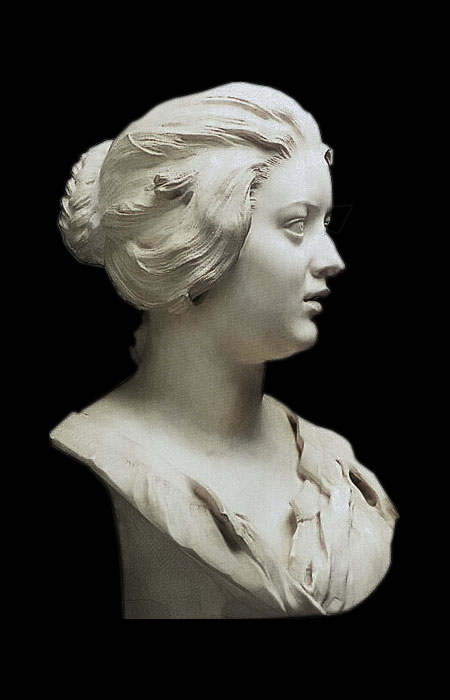
century artists. One of the
most important sculptures
is the portrait of Costanza
Buonarelli by Gian Lorenzo
Bernini. It is also worth
visiting the very lavish collection
of medals belonging to the
Medici family.
|