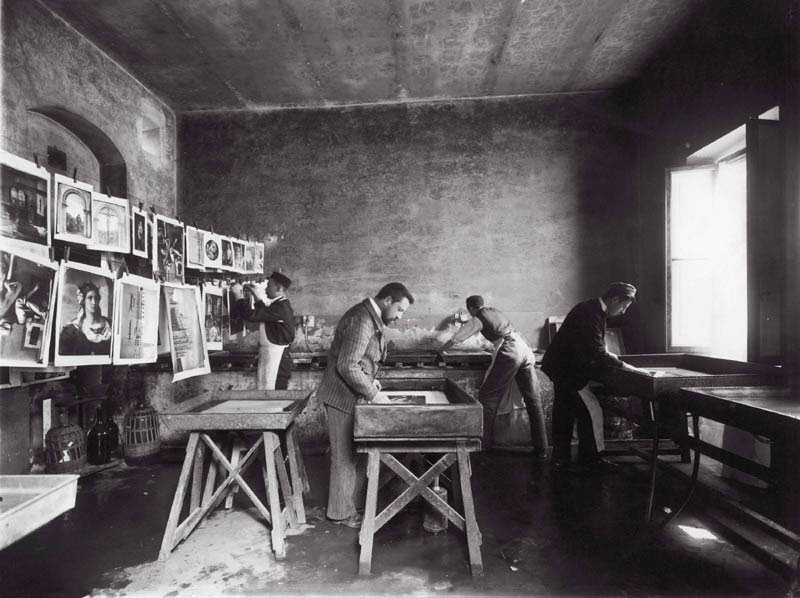
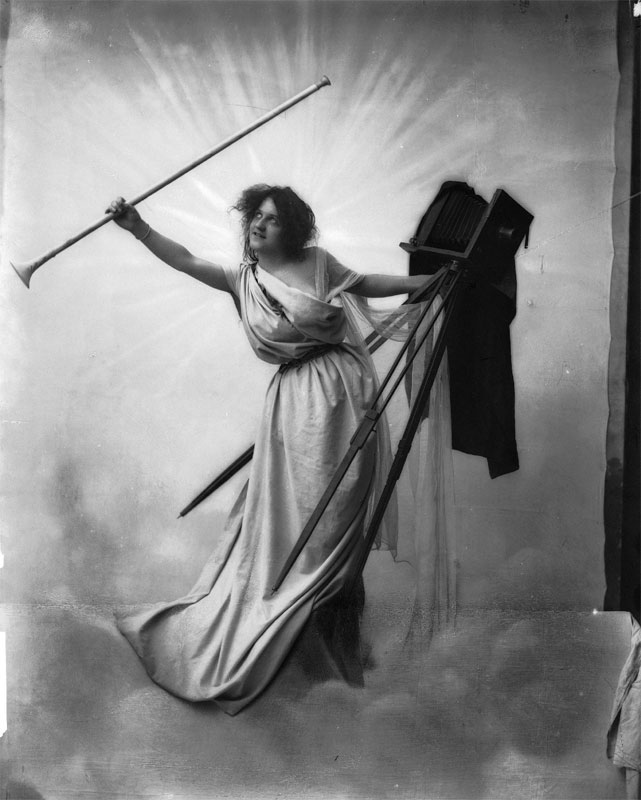
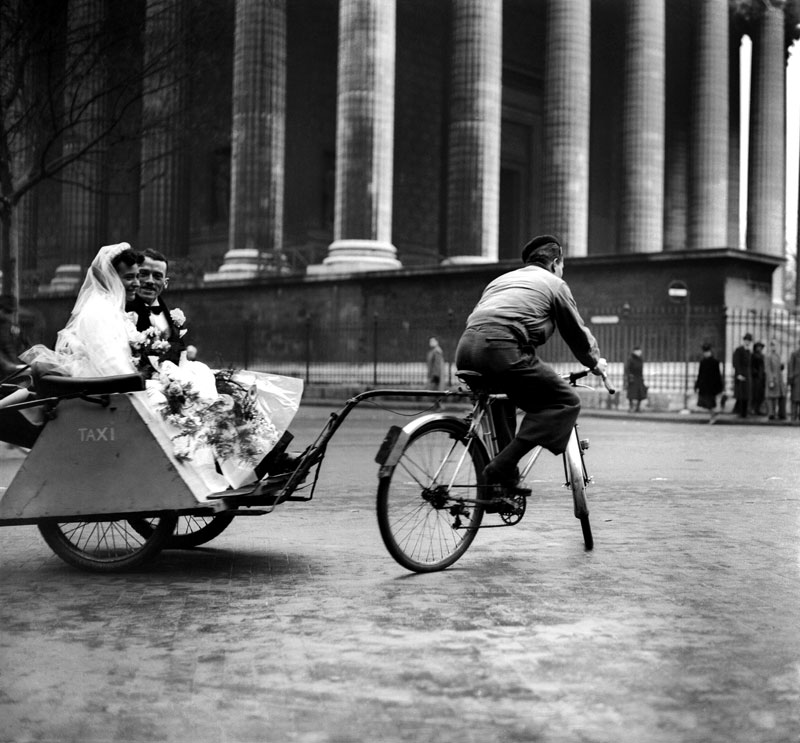
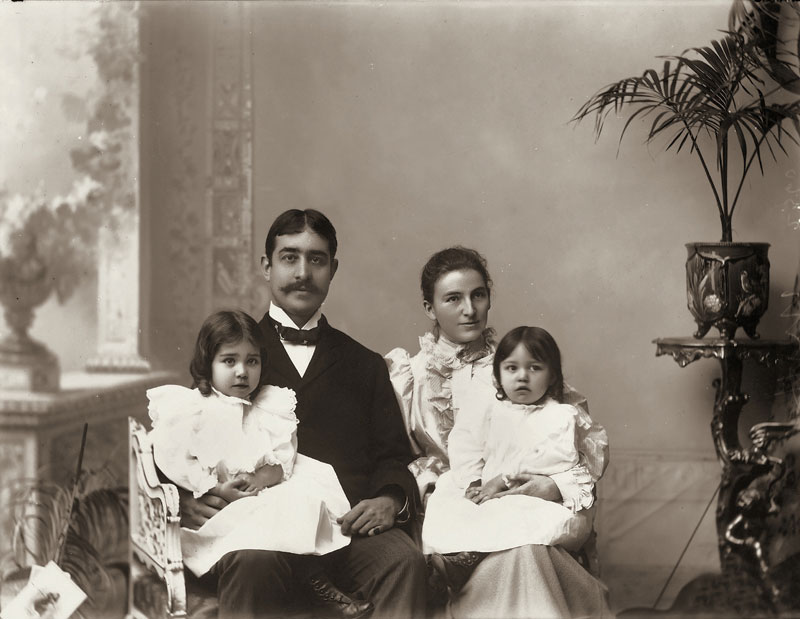
Italy
was missing a national photography museum. Now
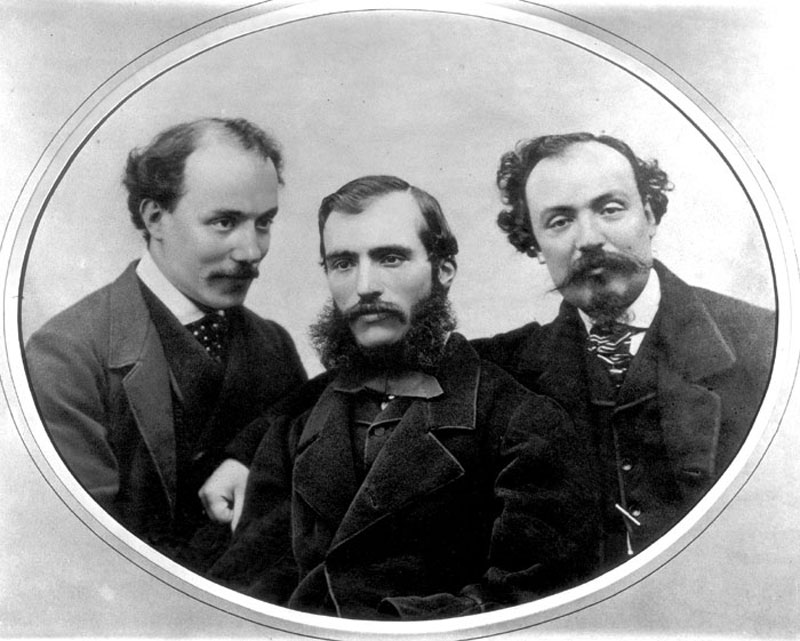
it has one, in Florence, named after the Fratelli
Alinari, the world-famous Florentine atelier.
The formal name is in fact MNAF, Museo Nazionale
Alinari della Fotografia, and was inaugurated
in 2006.
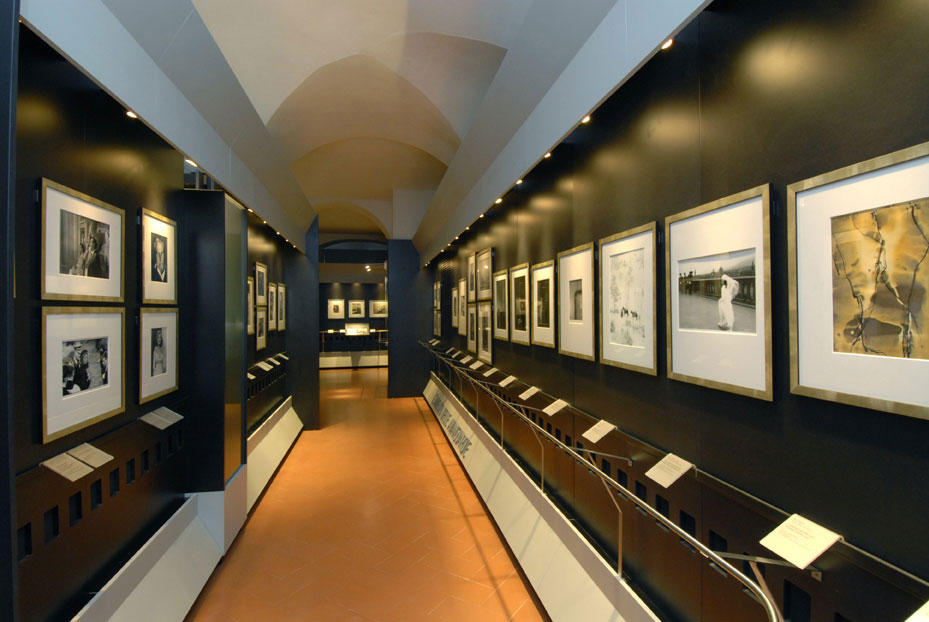
Situated in Piazza Santa Maria Novella in the historic
Leopoldine complex, organised into 7 sections
overflowing with rare images, instruments and
precious period objects, the museum will also
feature an amazing scientific innovation: photography
that is ‘visible'
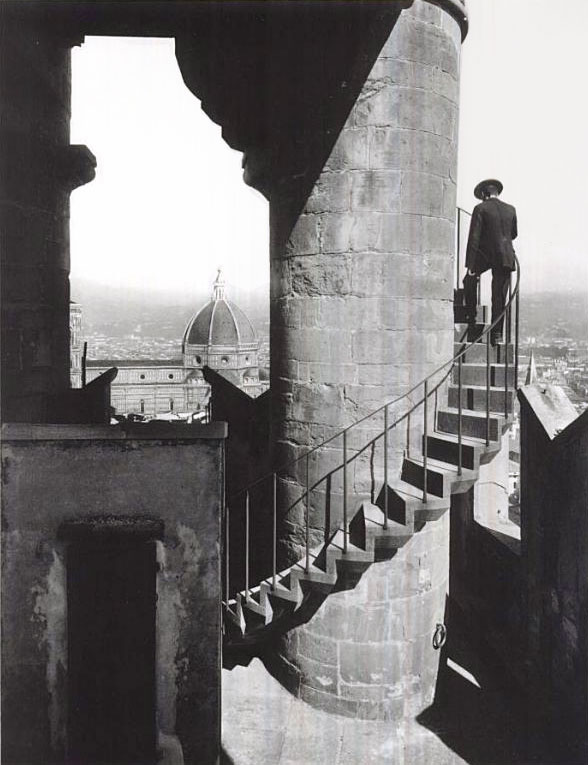
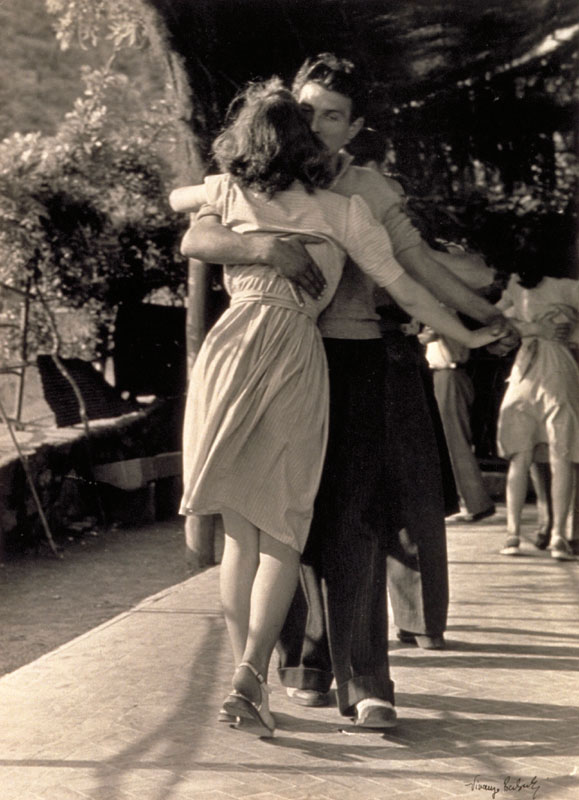
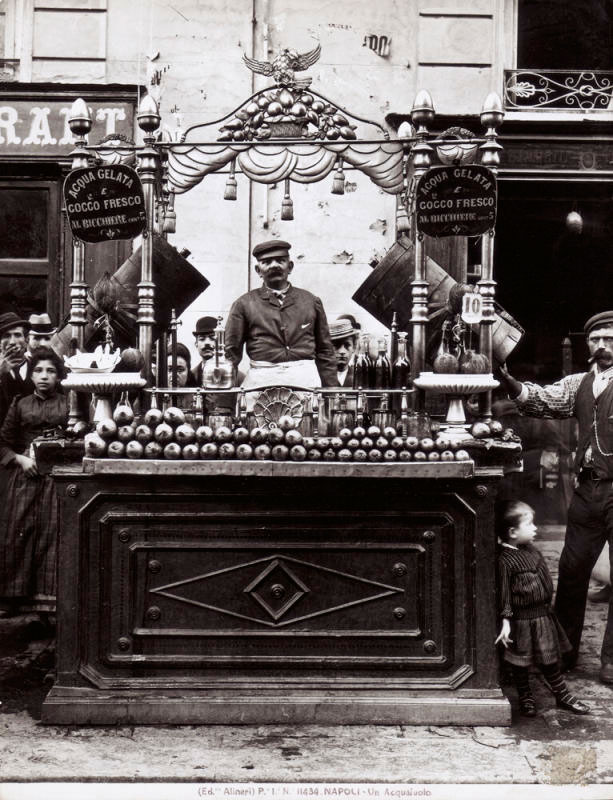
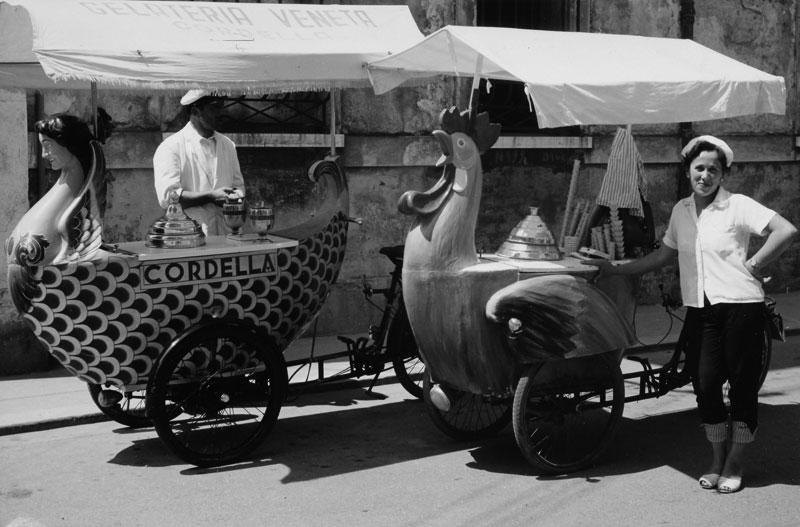
to the blind. The inaugural exhibition was dedicated
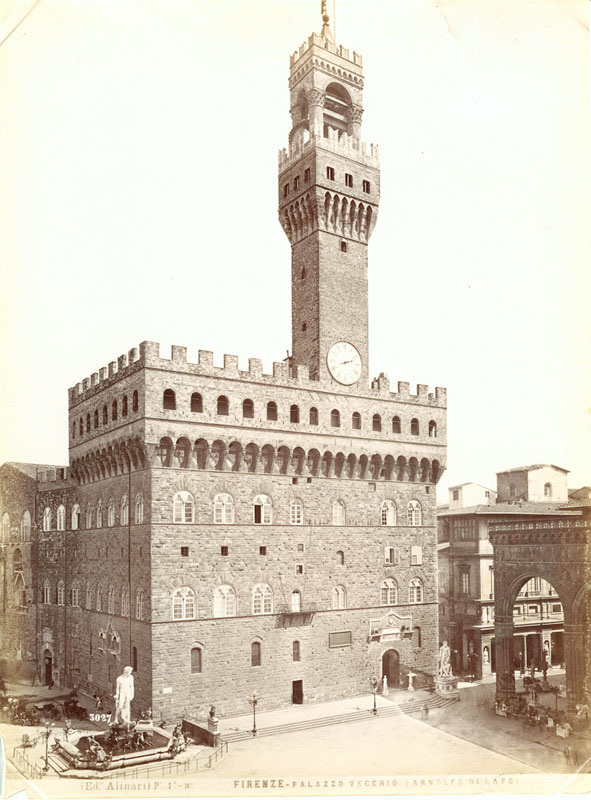
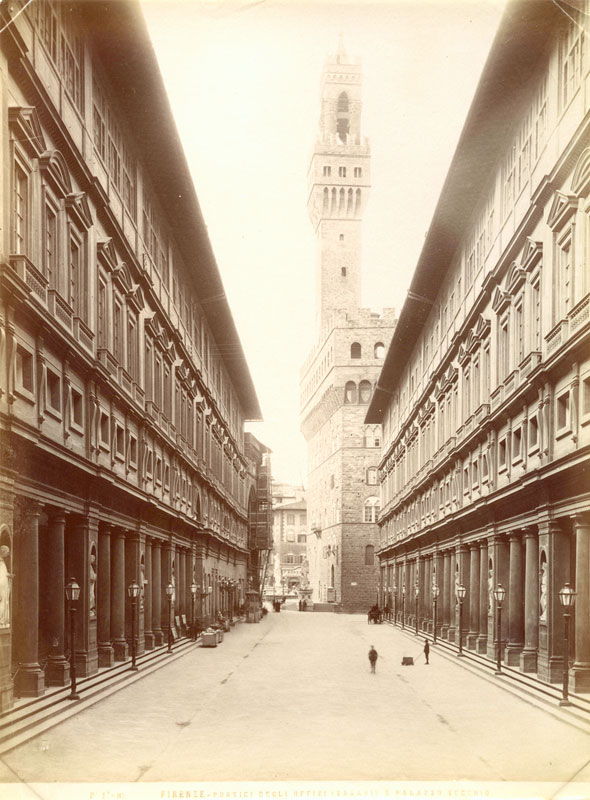
to "Views of Italy 1841-1941: Masters of Italian
Photography in the Alinari Collections", the first
of many thematic shows that will periodically animate
the life of the museum.
The new museum will make Florence one of the world's
capitals of photography and generate a new category
of cultural tourism for the city. The architectural
project is by Armando Biondo (Studio Arktre), the
installation by Luigi Cupellini, and the scenographic
concept by the Oscar-winning director, Giuseppe
Tornatore.
There are two exhibition areas: the first for temporary
shows (for which an exciting calendar is already
planned); the other for the permanent collection,
conceived as a journey between history and the present,
with instructional and technical material drawn
from the exceptionally rich Alinari collections.
The journey begins in 1839, the year of the earliest
daguerrotypes, and finishes with the digital imagery
of our own day. A fascinating journey that traverses
the era of the pioneers, the revelation of the mechanically
reproducible image that revolutionised the limits
of knowing and seeing, the boom years, the incredible
technological advances that created a market accessible
to everyone, the process of refinement of the language
of photography that led to its becoming a true art,
the infinite variations and accessories. Hundreds
of rare images, vintage objects, equipment from
the past and present.
One of the feathers in the cap of the MNAF is the
programme for the visually impaired, a museum within
the museum consisting in a collection of 20 photographs
recreated in relief so as to be ‘viewed' through
touch. Realised in collaboration with the Stamperia
Braille of the Region of Tuscany, this is the first
time such an experiment has ever been tried.
| THE SEVEN SECTIONS OF THE MUSEUM |
| THE ORIGIN OF PHOTOGRAPHY |
(1839-1860) The first images on silver plates, daguerrotypes,
created after Daguerre's announcement of the photography's
invention (January 7, 1839) and the nearly coeval
invention of the first photographic prints from
paper negatives (calotypes), onward through a selection
of works divided by genre, landscape and monument
views, portraits, artistic compositions, works by
some of the great names of the new invention's pioneering
era.
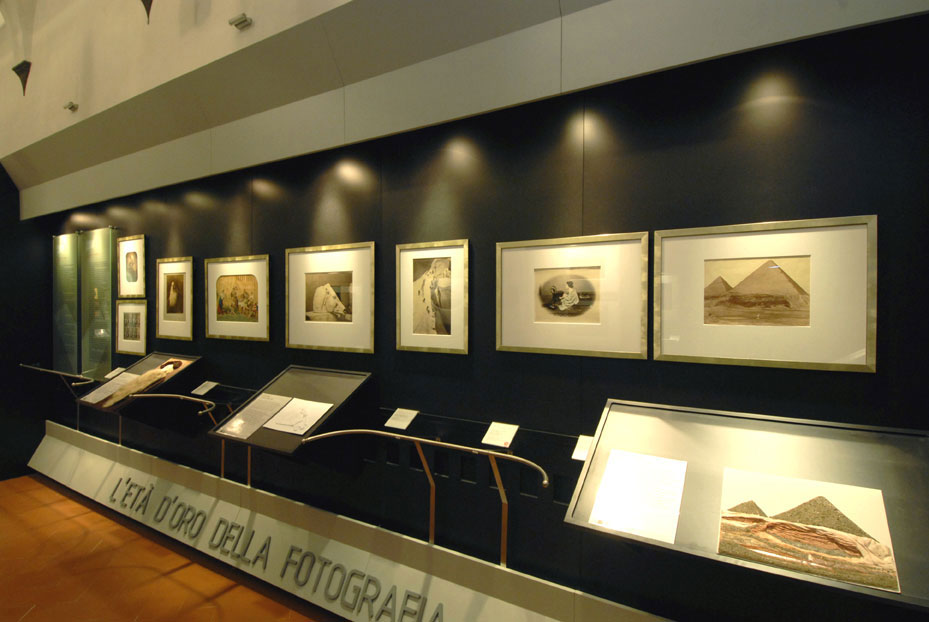
| THE GOLDEN
AGE OF PHOTOGRAPHY (1860-1920) |
The decades in which technique and technology
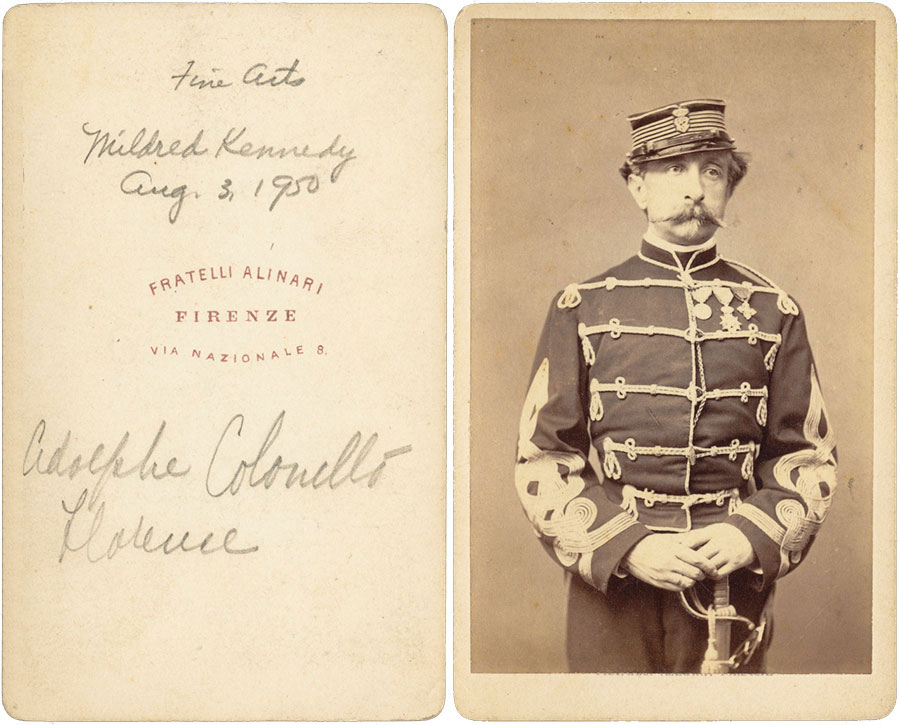
evolve, studios spring up all over Europe and photography
establishes itself as an autonomous art form. Landscape
views and reproductions of artworks respond to a
demand for souvenirs on the part of travellers taking
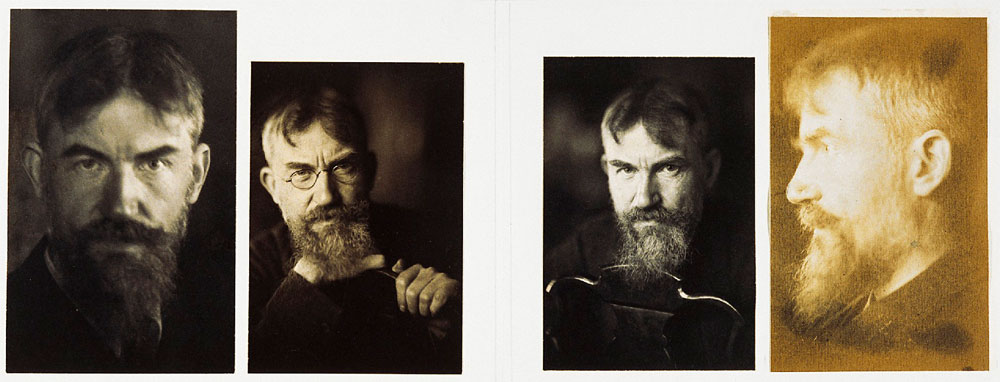
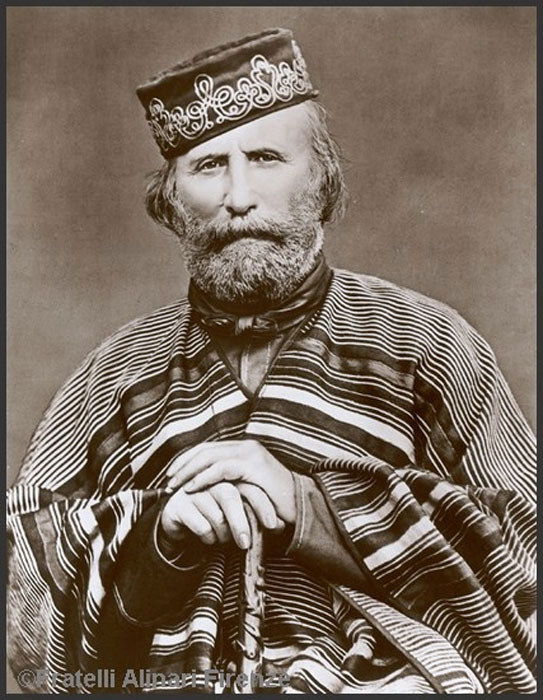
the Grand Tour, while portraiture satisfied the
locals. Along with the 20th century came experimentation
with new technologies and expressive languages,
and photography's encounter with the major trends
in other media.
| THE
ADVENT OF THE AVANTGARDE (1920-2000) |
By now emancipated, photography no longer
leans on painting for support but becomes over the
course of the century an increasingly autonomous
and self-reflexive language, one of the main forms
of contemporary art. A selection of works from the
great protagonists of the 20th century, those who
enriched visual culture with veritable icons of
our time.
From paper negatives to glass plates with various
techniques of sensitisation, from autochromes and
hand-coloured glass lantern slides to the films
of the later half of the century, a rich variety
of original transparent media for a full understanding
of theses important vehicles of photography.
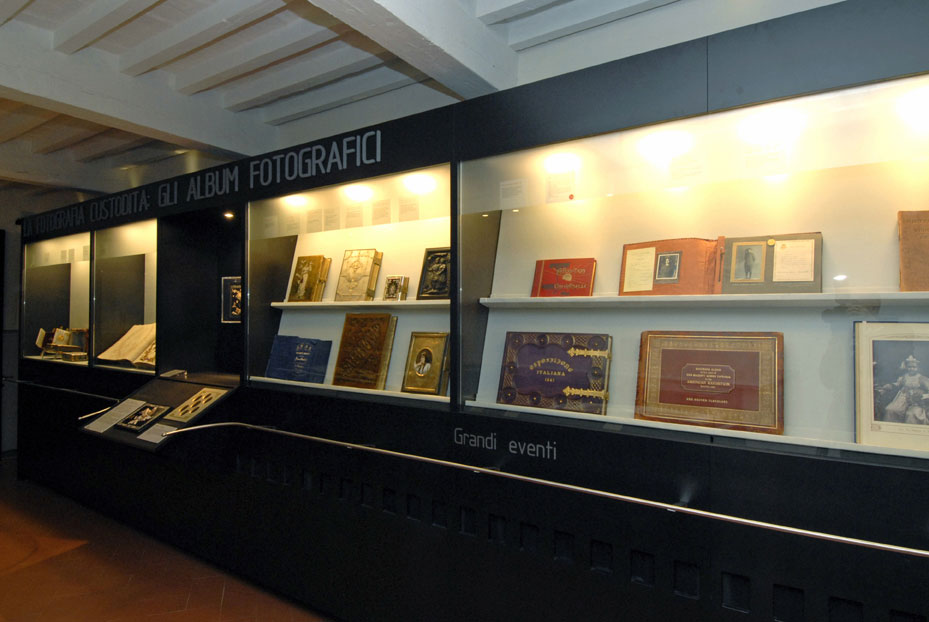
A rare collection of albums of every size, shape,
material and type of workmanship. Albums created
to assemble and conserve images, thereby underscoring
their value and importance. The pages within contain
a universe of photography and decoration, each with
a unique and unrepeatable story behind it.
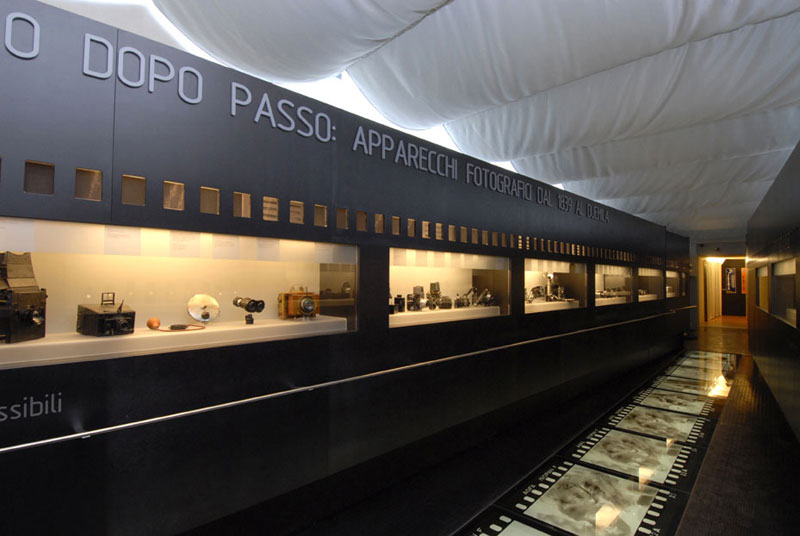
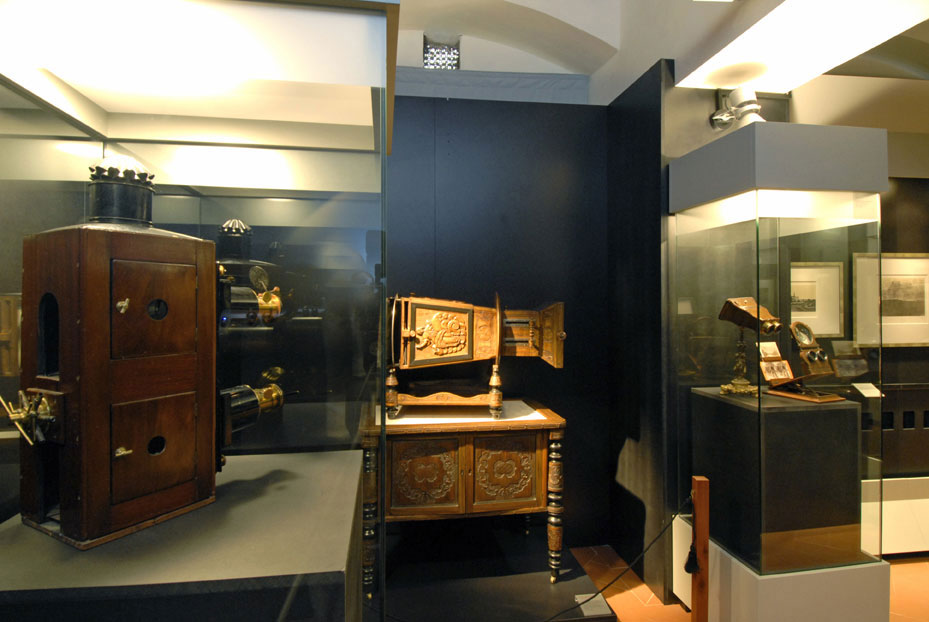
Step by step: photography equipment from 1839 to
2000, curated by Maurizio Rebuzzini
| AN UNPRECEDENTED JOURNEY THROUGH THE HISTORY OF PHOTOGRAPHIC EQUIPMENT |
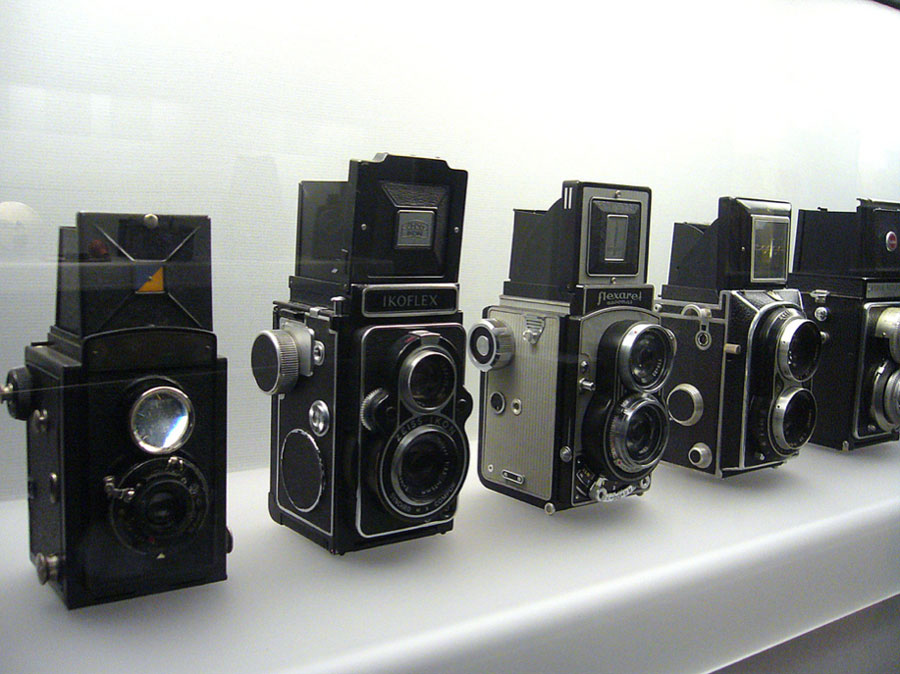
From the earliest rudimentary cameras to the more
sophisticated machines of the Kodak revolution and
the mass diffusion of digital photography. Eight
thematic chapters and nine monographic ones recount
this significant part of the evolutionary history
of photographic technology.
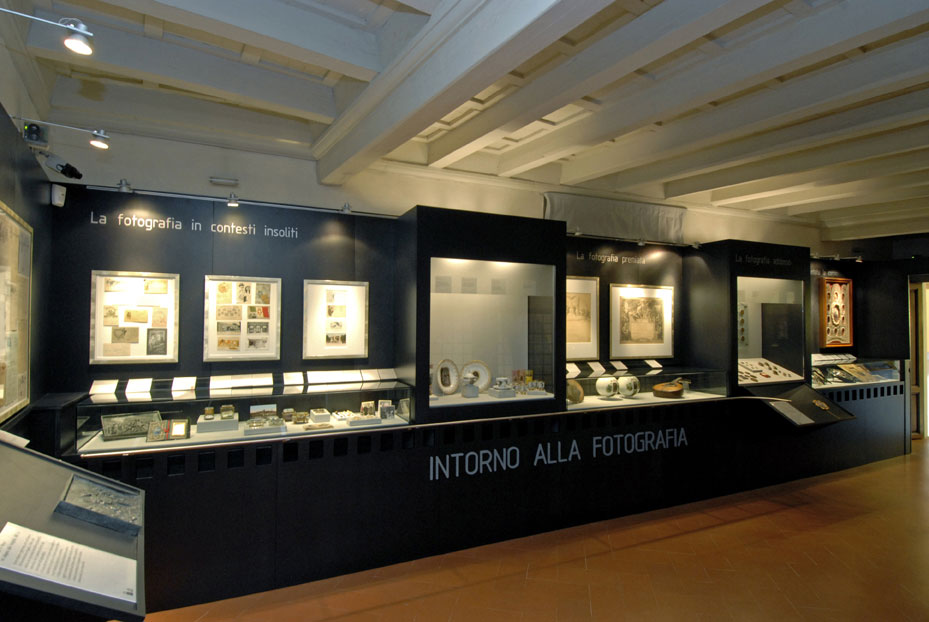
An unusual subject, but nonetheless a rich one,
this section features a collection of items that
show the ways in which photography has been used:
stationery, documents, postcards and advertising,
as well as ceramics, glassware, fabrics, jewellery,
furniture, and frames, which together tell the story
of how photographers have marketed and sold their
skills and products and the uses made of their images.
 |
|