Situated
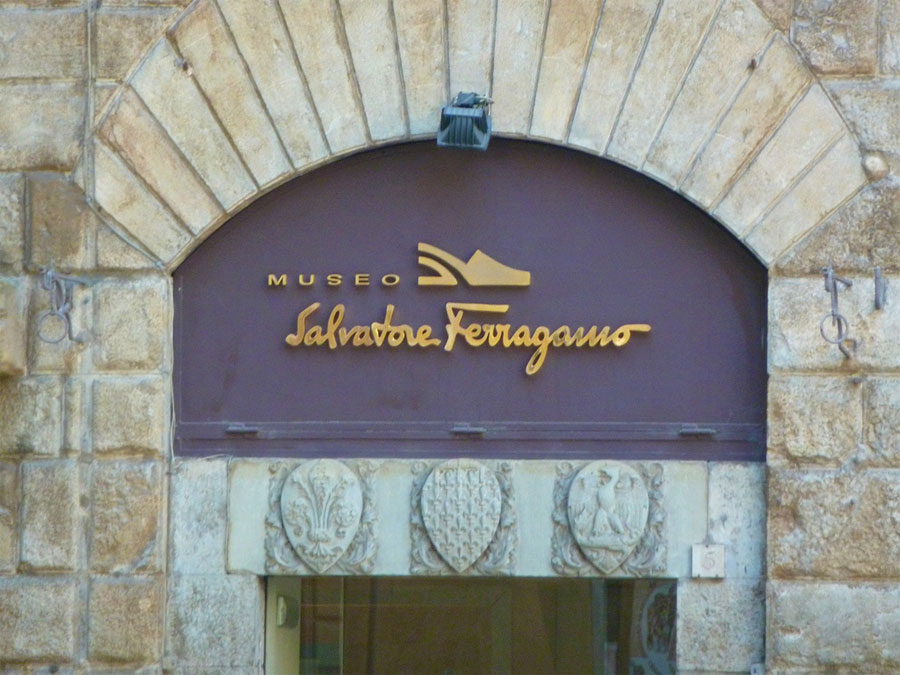
in Florence, on the basement of Palazzo Spini
Feroni, Via Tornabuoni n. 2, the museum was opened
to the public in 1995 by the Ferragamo family,
in an effort to illustrate Ferragamo's artistic
qualities and the important role he played in
the history of shoe design and international
fashion.
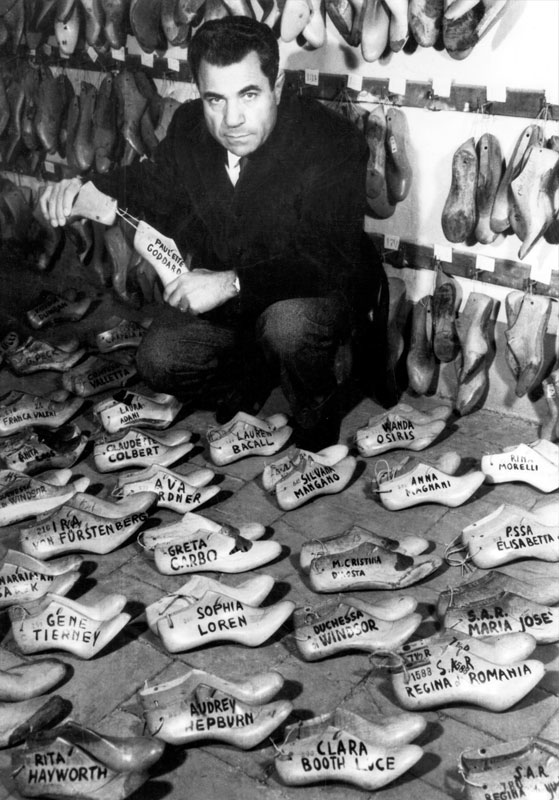
Besides
photographs, patents, sketches, books,
magazines and wooden lasts of various
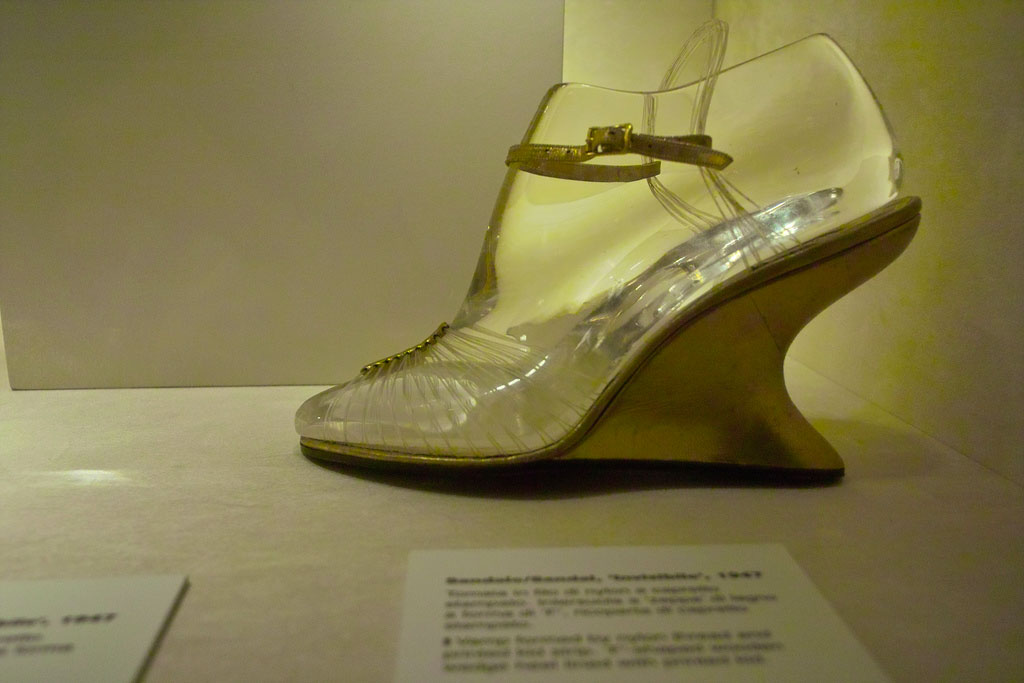
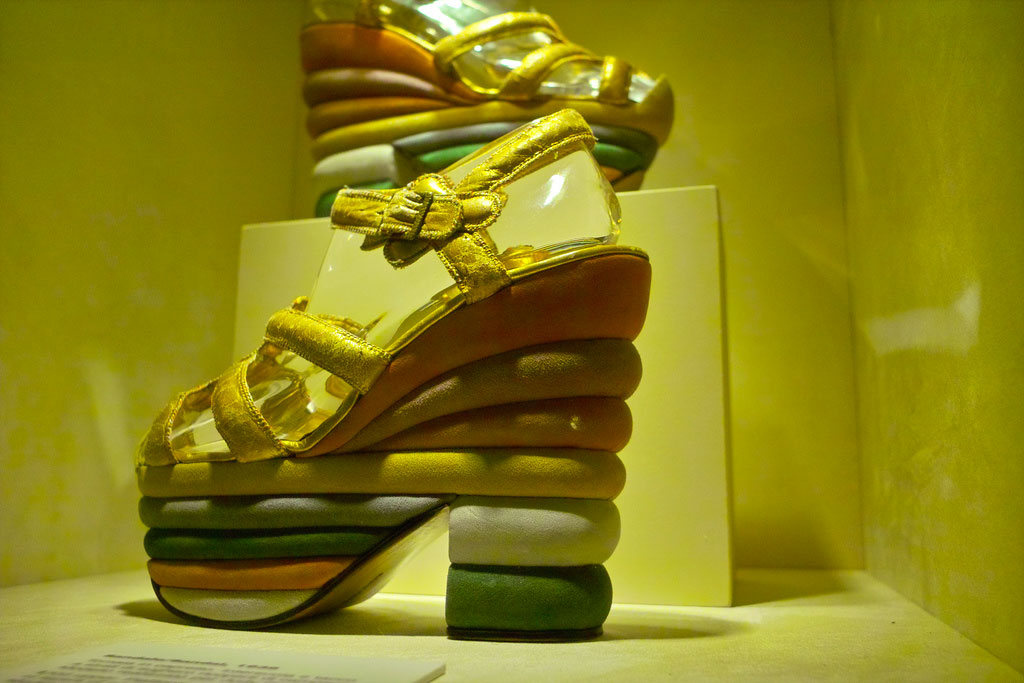
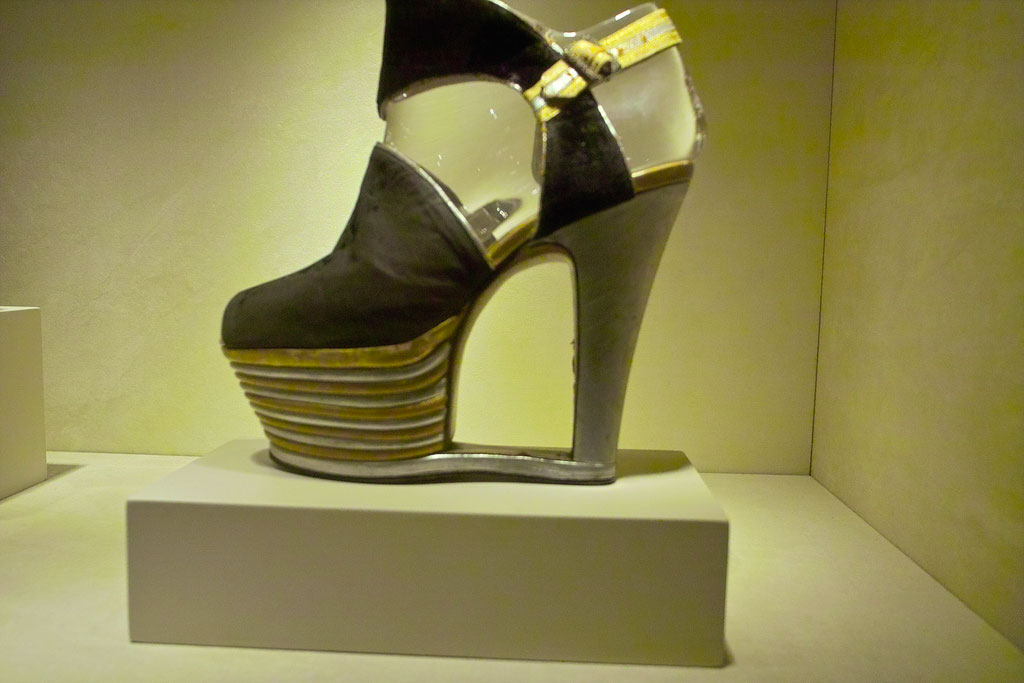
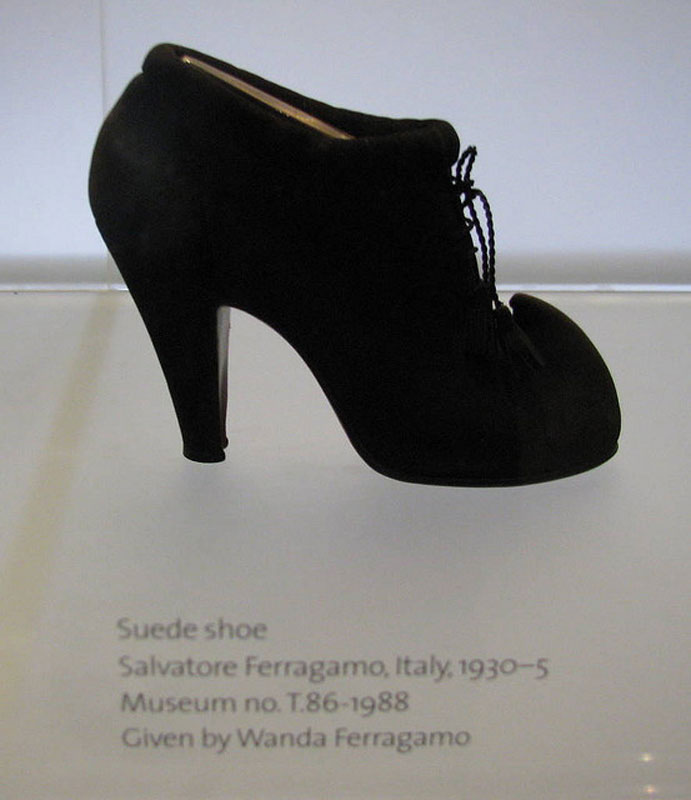
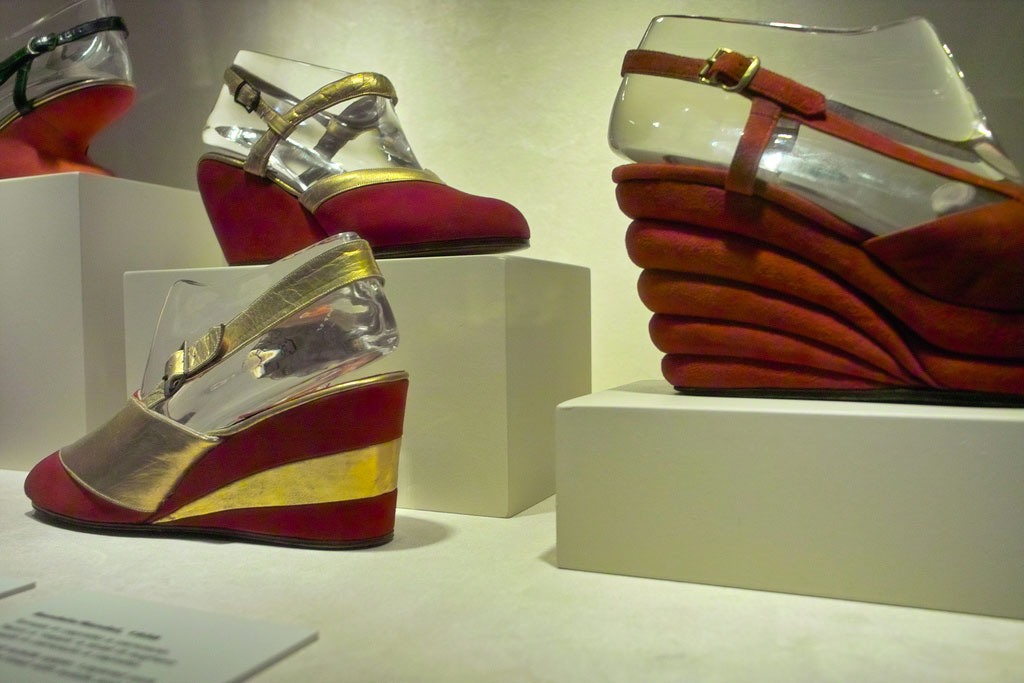
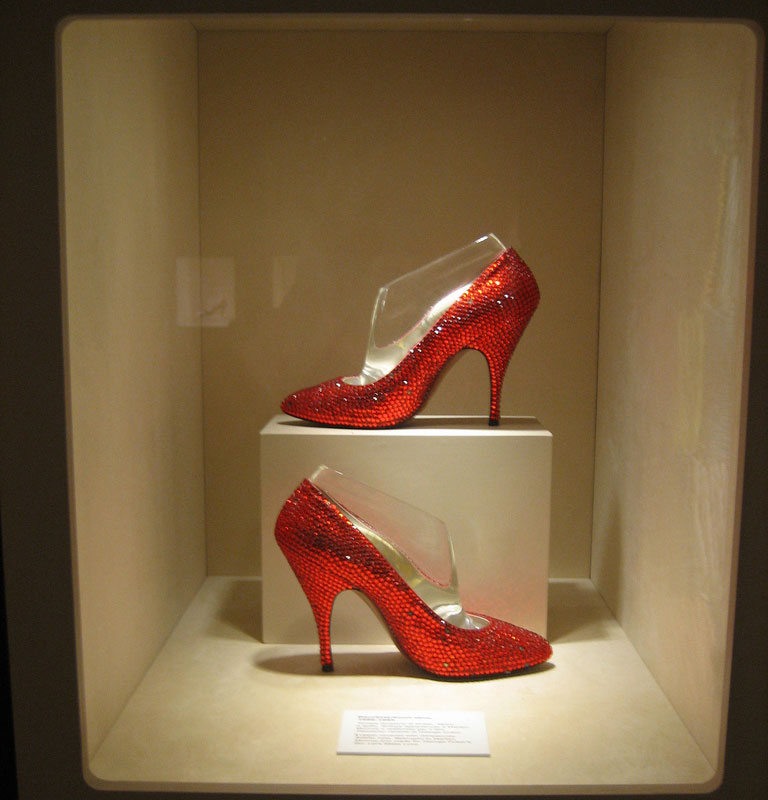
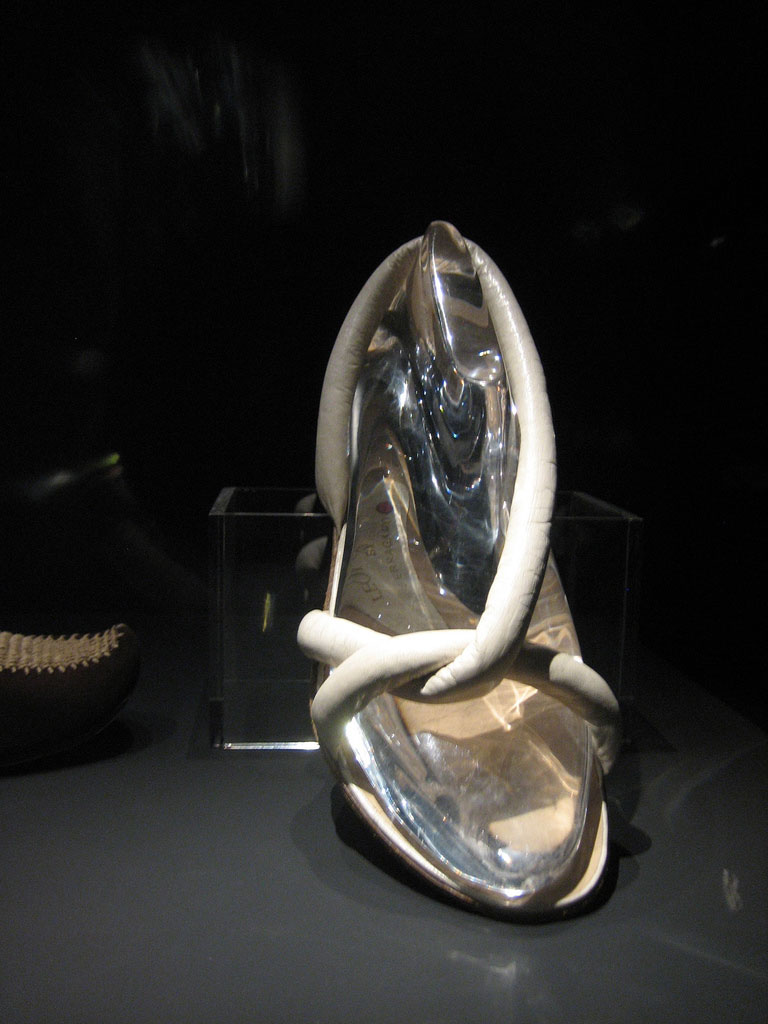
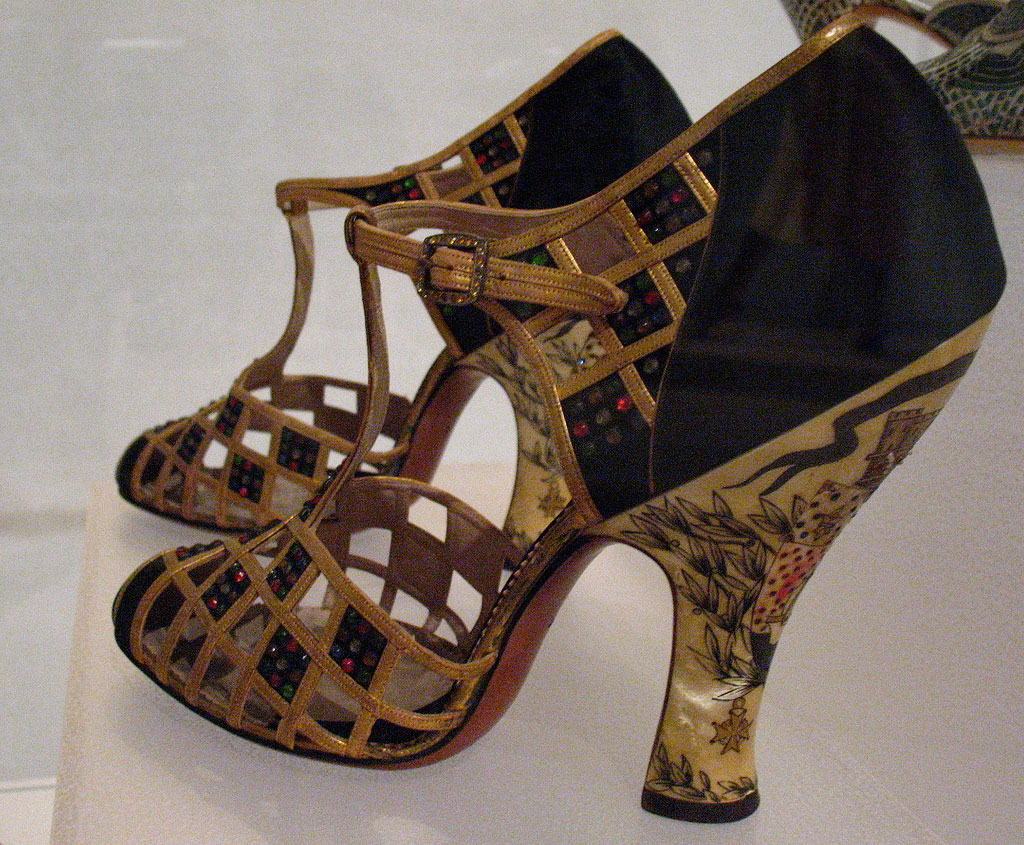
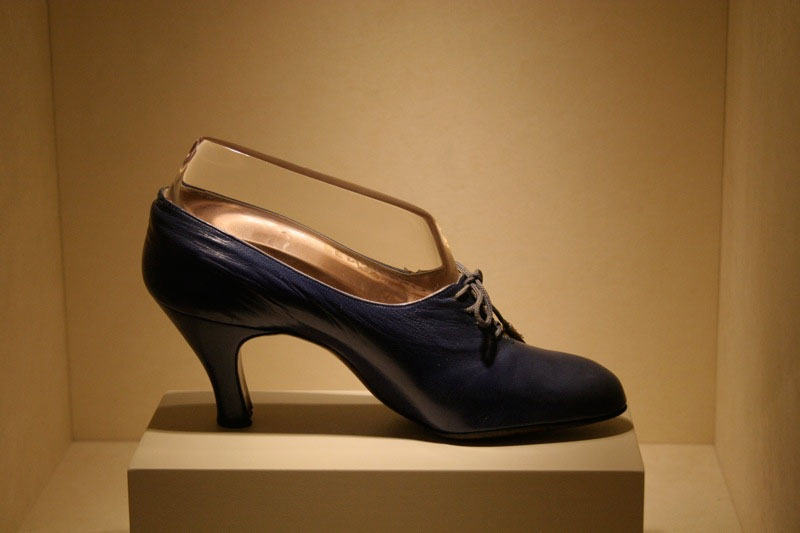
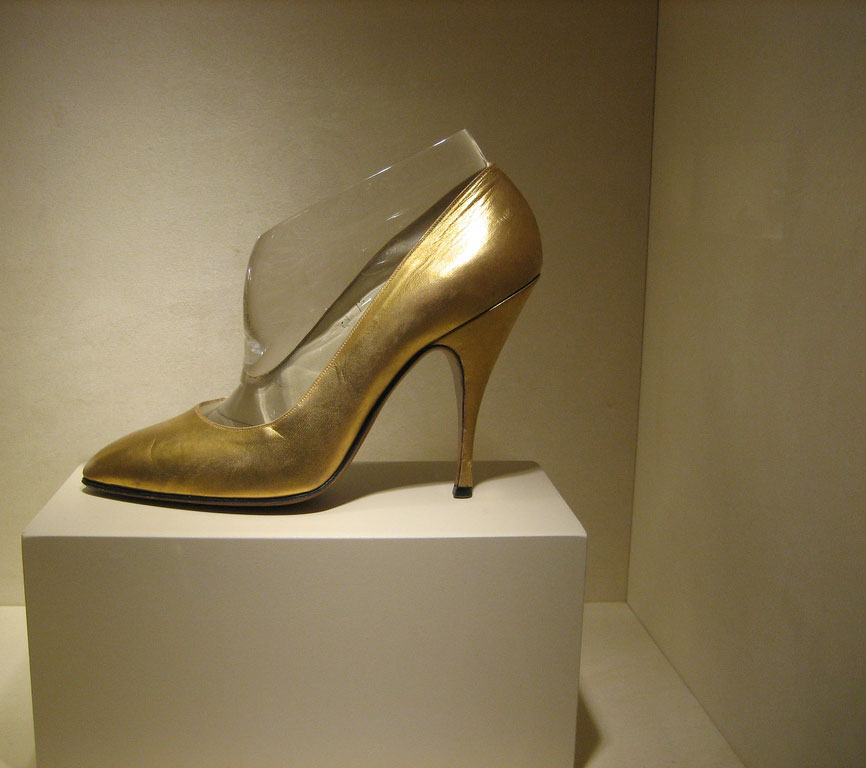
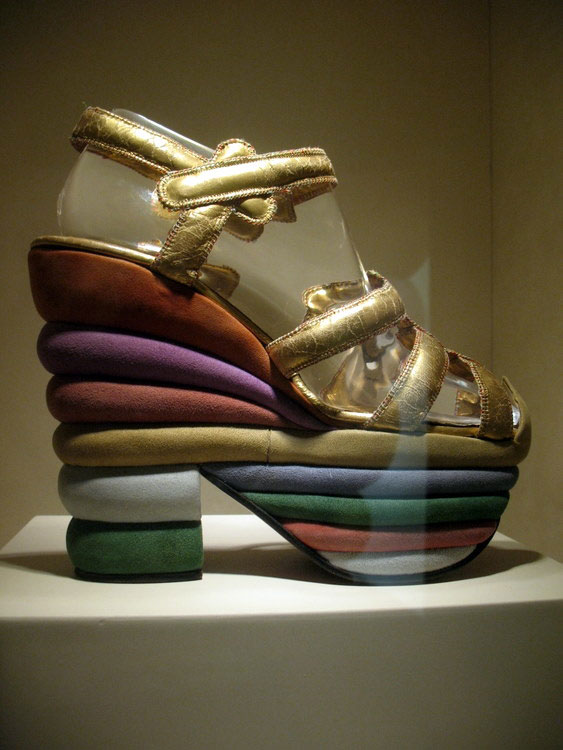
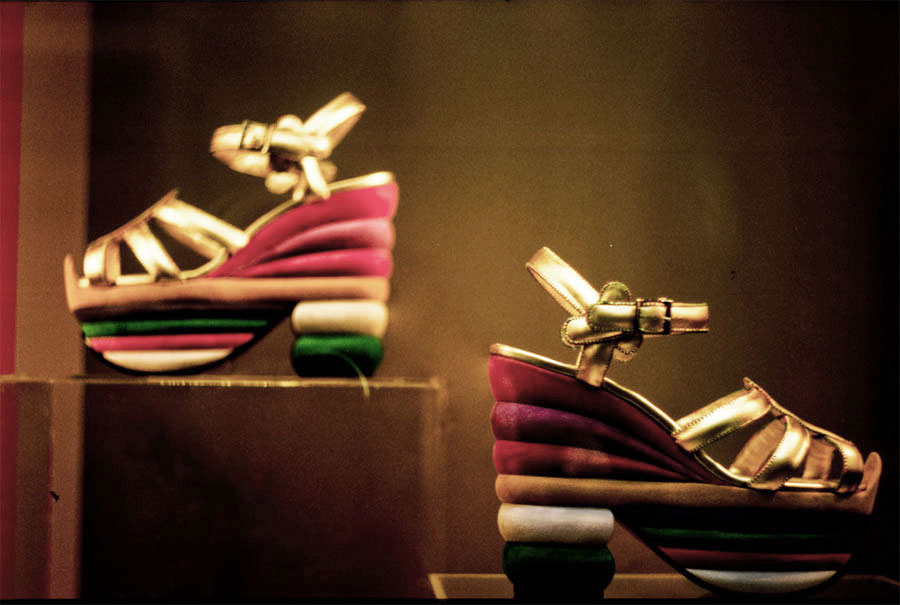
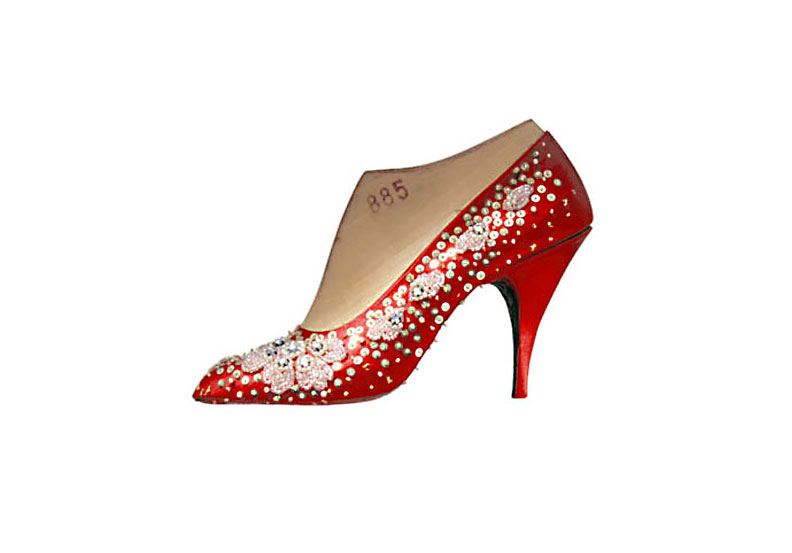
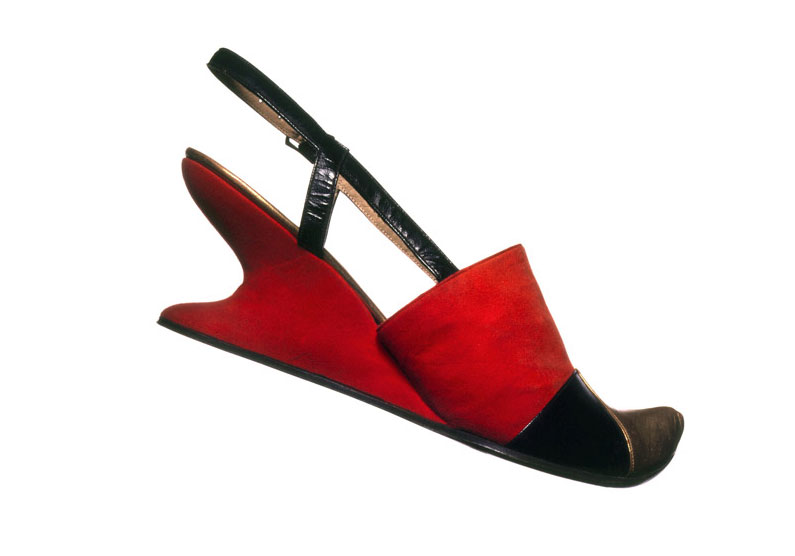
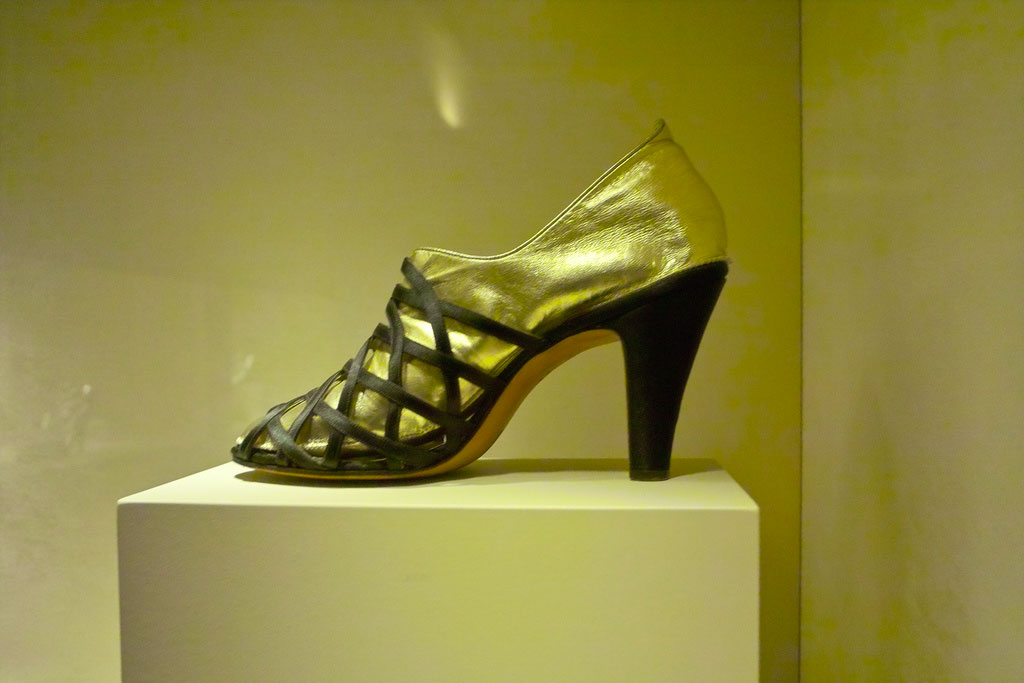
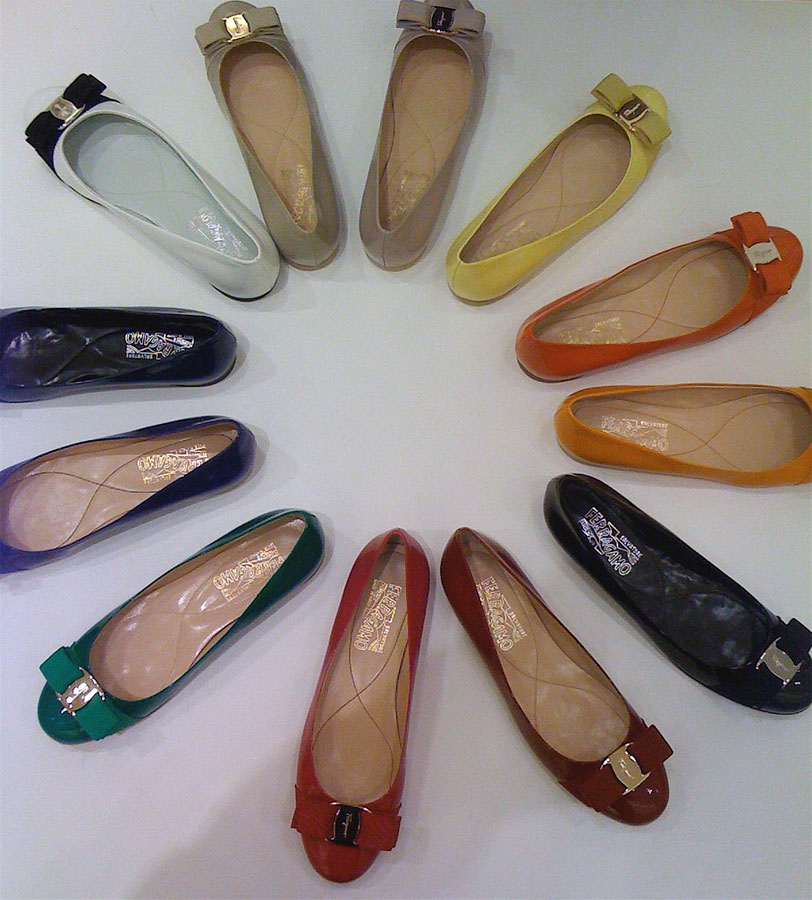
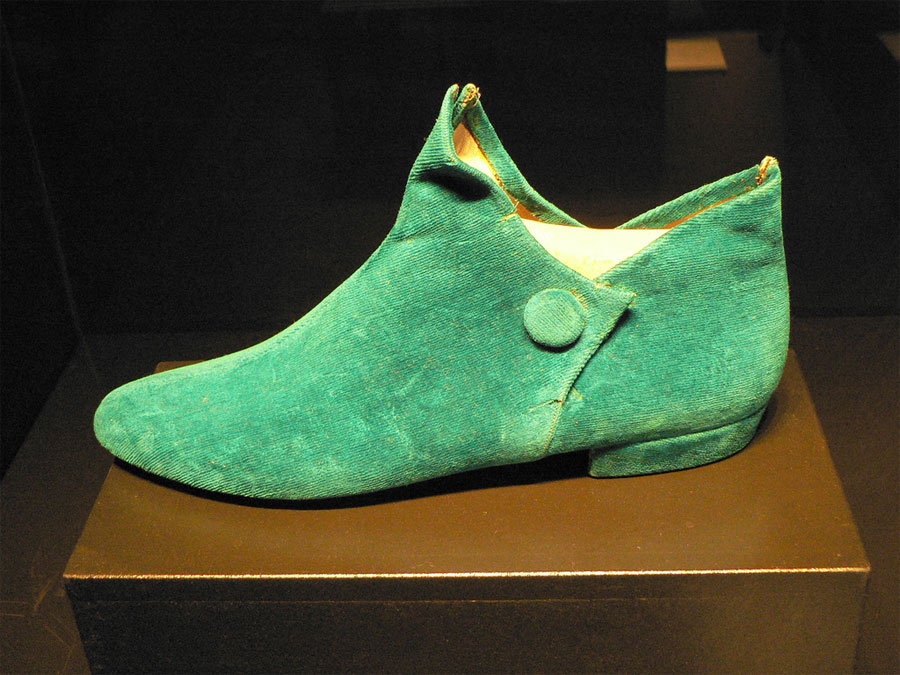
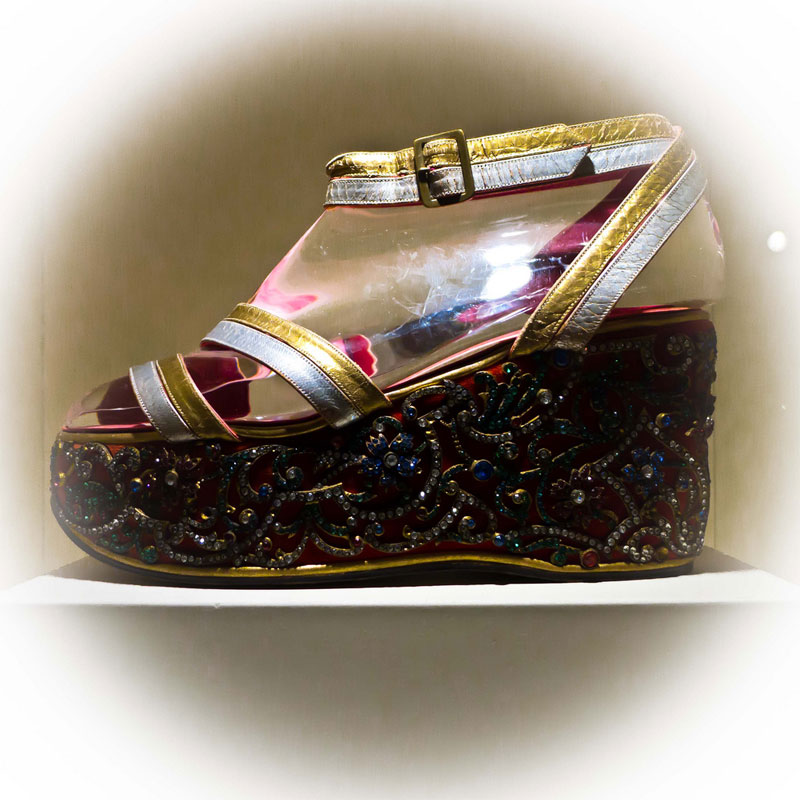
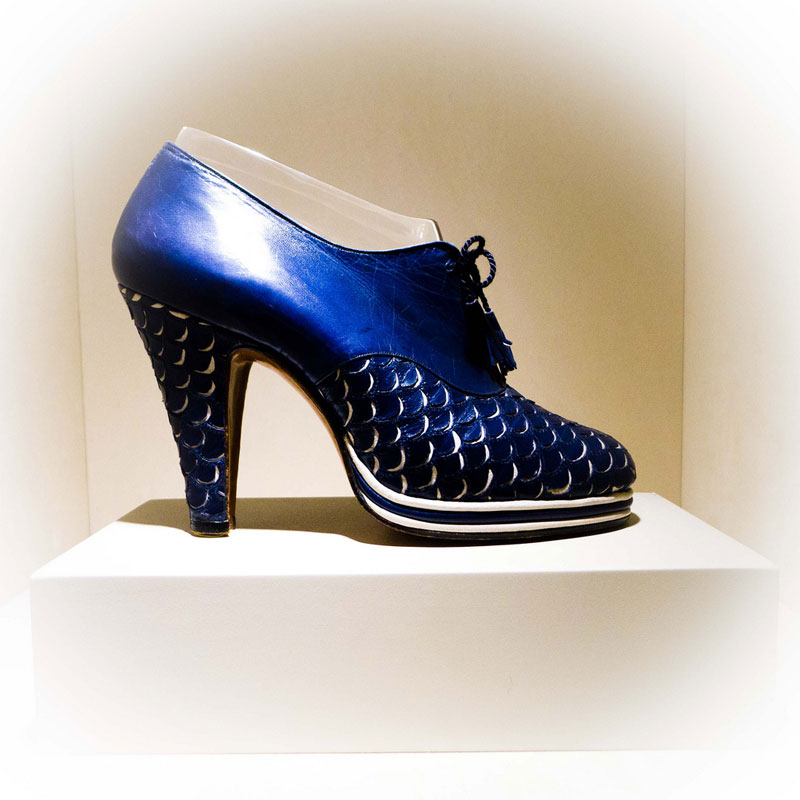
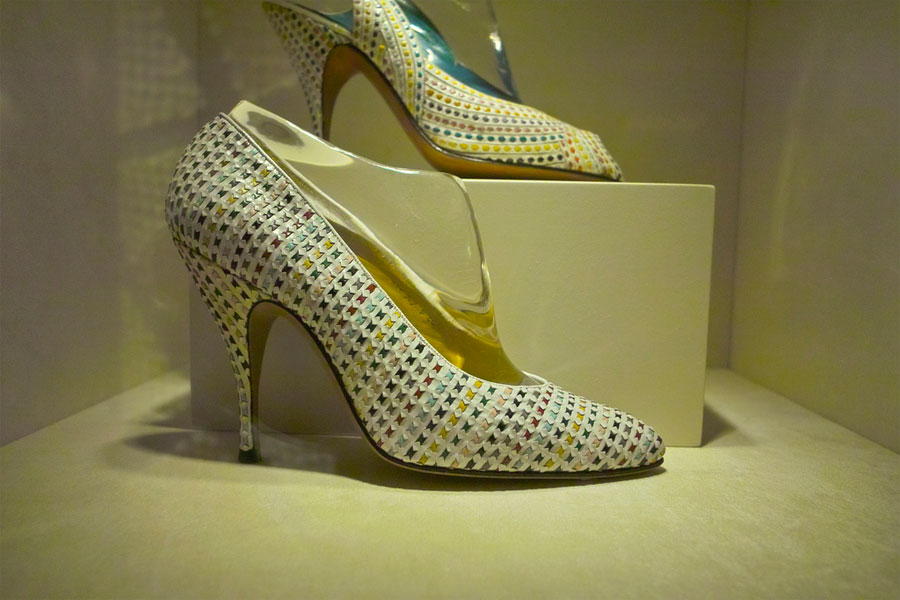
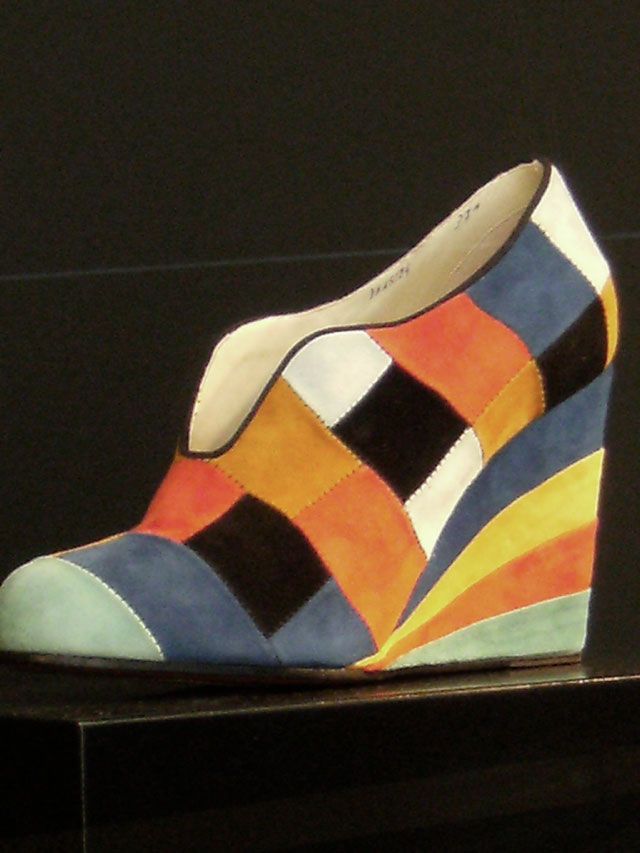
famous feet, the museum boasts a collection
of draws 10,000 models designed by Ferragamo
from the end of the 1920's until 1960,
the year of his death. The shoes, displayed
on a biennial rotation, are chosen each
time according to specific themes that
deal with new issues and allow for new
fields of inquiry. The shoes, all works
of refined craftsmanship, their design
and materials, unveil the mind of an
artist who was always in touch with the
cultural mood of the time. Salvatore
often searched for and found ideas, inspiration
and collaboration from the leading artists
of his day. Similarly, the museum arranges
exhibitions of its own historical collection
with the participation of contemporary
artists, and promotes and hosts exhibitions
and events linked to art and culture.
The Primo Premio Guggenheim Impresa & Cultura (The Guggenheim First Prize for Industry and Culture) for 1999 was awarded to Salvatore Ferragamo for its decision to invest in culture and subsequently employ it as a communication strategy for the company.
Salvatore
Ferragamo was born in 1898 in Bonito, near
Naples, the eleventh of 14 children. After
making his first pair of shoes at age nine,
for his sisters to wear on their confirmation,
young Salvatore decided that he had found
his calling. He always had a passion for
shoes. After studying shoemaking in Naples
for a year, Ferragamo opened a small store
based in his parent's home. In 1914, he
emigrated to Boston, where one of his brothers
worked in a cowboy boot factory. After
a brief stint at the factory, Ferragamo
convinced his brothers to move to California,
first Santa Barbara then Hollywood. It
was here that Ferragamo found success,
initially opening a shop for repair and
made-to-measure shoes, which soon became
prized items among celebrities of the day,
leading to a long period of designing footwear
for the cinema. However, his thriving reputation
as 'Shoemaker to the Stars' only partially
satisfied him. He could not fathom why
his shoes pleased the eye yet hurt the
foot, so he proceeded to study anatomy
at the University of Southern California.
After spending thirteen years in the United States, Ferragamo returned to Italy
in 1927, this time settling in Florence. In Florence, he began to fashion shoes
for the wealthiest and most powerful women of the century.
THE BUILDING
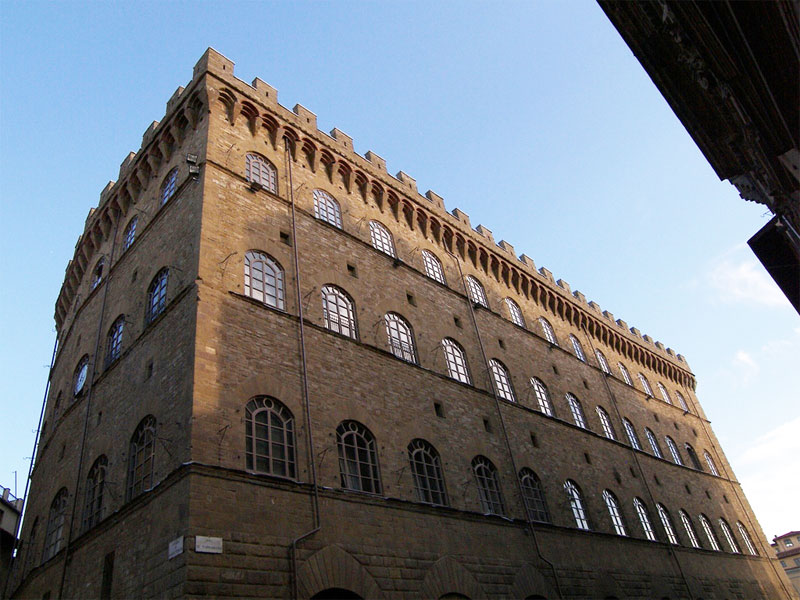
Palazzo Spini Feroni is a Medieval palace,
built by Geri Spini, a wealthy merchant
and banker to Pope Boniface VIII, in 1289.
Over the centuries it changed hands several
times, from the Spinis to the Guasconis
and then to the Bagnano and Feroni families.
In 1846 the palazzo was acquired by the
City of Florence and from 1860 to 1870
when Florence was the capital of Italy,
it was the seat of the City Council. In
1881 it was sold to the Cassa di Risparmio
and came under private ownership when Salvatore
Ferragamo purchased it in 1938 as the headquarters
of the company and his own workshop. The
building was restored in 2000 and now proudly
shows its masterpieces of seventeenth and
eighteenth century Fiorentine art, including
frescoes by Bernardino Poccetti in the
chapel. The lower, or basement level, where
the museum is located bears witness to
the building's Medieval originals. Over
the centuries it had been used for many
purposes and in the early twentieth century
it was home to one of the city's most famous
antiques galleries.

|